The estimated total cost for a repair shop to become Lucid certified is about $117,000, presenting a substantial barrier for independent businesses. This investment covers training, specialized equipment, and facility upgrades necessary to service high-end electric vehicles. Furthermore, Lucid Motors developed approximately 45 of its own tools specifically for its Air and Gravity vehicles, which it sells for an additional $40,000. This move solidifies a deliberate proprietary approach to repair.
The demand for electric vehicle maintenance and repair is growing rapidly, but these substantial financial and technical barriers are severely limiting the number of qualified service providers. This creates a critical bottleneck for consumers seeking reliable and accessible EV repair options.
The electric vehicle repair landscape is likely to become more centralized around OEM-approved networks, potentially leading to higher repair costs and fewer choices for consumers. Automakers are actively solidifying control over the entire vehicle lifecycle through these restrictive certification programs.
The New Technical and Strategic Landscape
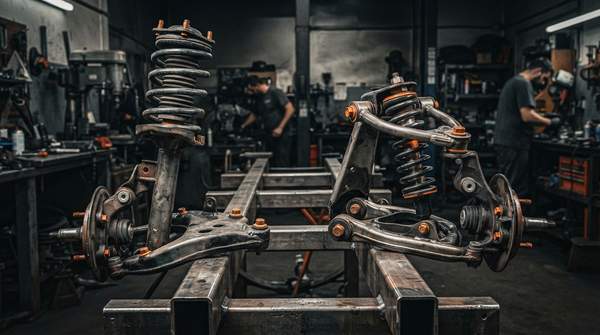
Electric vehicles require regular software updates as part of routine service, demanding a continuous connection to manufacturer diagnostic systems, according to Auto Service World. This frequent digital interaction transforms maintenance into an ongoing, manufacturer-dependent process. Beyond software, electric vehicles create new service needs, including faster tire and suspension wear due to their weight and torque, and require work on battery checks, cooling systems, and high-voltage components.
OEM certification has evolved beyond a marketing advantage, becoming a more significant factor driven by automakers' desire to manage liability concerns and protect brand reputation, states Body Shop Business. The unique technological demands of EVs, coupled with automakers' imperative for brand protection, necessitate a completely new approach to service and repair, often through tightly controlled networks.
A Limited and Controlled Network
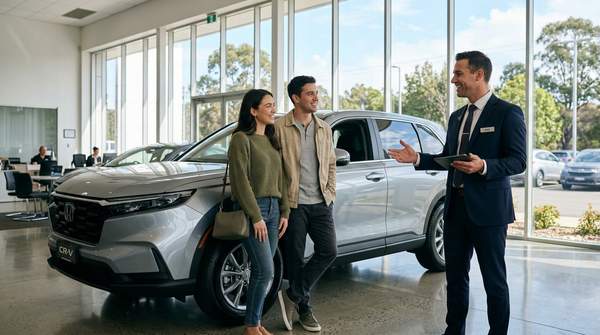
- 25 — Honda currently has 25 U.S. shops that are EV-certified by the automaker, according to Autobody News.
- 95 — Lucid Motors currently has about 95 certified collision repair centers in the United States and plans to double that number, according to Autobody News.
- $4,000 — Lucid's shop certification program has an annual fee of $4,000, according to Autobody News.
These low current numbers of certified shops, alongside significant annual fees, reveal a nascent but tightly controlled market expanding strategically by OEMs. Based on Autobody News' reporting, Lucid's $117,000 certification cost and $40,000 proprietary tools confirm that automakers are not just setting high standards but actively engineering a closed repair ecosystem, ensuring they maintain a chokehold on the lucrative EV service market.
Adapting to the New Demands of EV Service
| Investment Category | ICE (Traditional) | EV (New Requirements) |
|---|---|---|
| Specialized Tooling | General hand tools, engine diagnostics | High-voltage safety tools, battery lifting platforms, specific OEM diagnostic equipment |
| Equipment | Lifts, exhaust ventilation, basic diagnostic scanners | Insulated lifts, specialized battery chargers, advanced thermal management tools |
| Training | Engine, transmission, fuel systems | High-voltage electrical systems, battery diagnostics, software updates, safety protocols |
| Facility Standards | Standard bays, fluid disposal | Dedicated EV bays, controlled environments for battery work, advanced safety infrastructure |
Source: Body Shop Business, Auto Service World
OEM certification programs typically require investments in specialized tooling, equipment, training, and facility standards, according to Body Shop Business. Long-term growth in the automotive aftermarket depends on shops preparing for EV service and adopting digital tools like connected diagnostics, reports Auto Service World. Successfully transitioning to EV service demands significant capital investment and a fundamental re-evaluation of business models and technical capabilities for repair shops, pushing them towards greater specialization and digital integration.
The Consolidation of Power
The service life of lithium-ion batteries in industrial units and vehicles is often longer than initially forecast, according to Auto Recycling World. While OEMs solidify control through certification programs and proprietary tools, the extended lifespan of key EV components like batteries presents a new challenge for repair shops, shifting revenue models from frequent replacements to specialized, long-term maintenance. This dynamic further concentrates maintenance expertise within OEM networks, as fewer opportunities for independent shops to perform high-value component replacements emerge.
The stark contrast between the rapidly growing demand for EV repair and the mere 25 Honda-certified shops in the U.S. suggests that consumers will face escalating wait times and repair costs, effectively penalizing early EV adopters for automakers' restrictive certification policies.
Navigating the Future Aftermarket
The emergence of specialized battery lifecycle management facilities points to a broader ecosystem shift where traditional repair shops must find their niche within a more integrated and controlled EV value chain.
- BLC operates plants in Rheda-Wiedenbrück and Magdeburg, and at a partner's plant in Hornstein, Austria, according to Auto Recycling World.
These specialized facilities for battery lifecycle management demonstrate a trend towards a more centralized and controlled approach to EV components, particularly batteries. Independent repair shops will need to adapt by focusing on areas not monopolized by OEMs or by integrating into these larger, more specialized networks, rather than operating as comprehensive, independent service providers for all EV needs.
By late 2026, Lucid Motors' planned expansion to nearly 200 certified collision repair centers will still represent a highly centralized service network, continuing to limit options for consumers and challenge independent repair shop entry into the electric vehicle market.