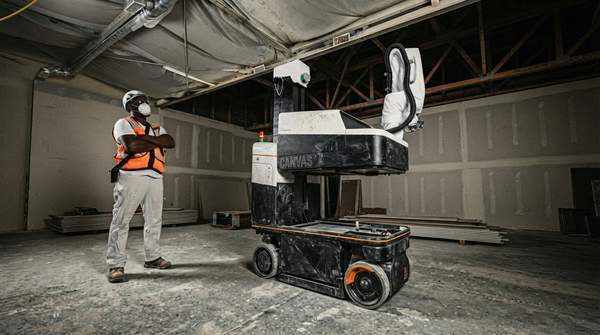
Construction and industrial services—sectors long viewed as unlikely candidates for automation—are adopting robotics at a rapid pace, and the technology falls into three broad functional categories: material handling, task execution, and inspection and monitoring. According to a FutureBridge analysis, breakthroughs in AI, machine learning, and materials science are driving robots into workflows ranging from routine bricklaying to complex high-rise construction, redefining standards for productivity, efficiency, and safety. The business case is equally concrete: firms are turning to automation to address labor shortages, reduce physical strain on crews, cut waste, and compress project timelines.
Introduction: The Rise of Automation in Trades
Construction automation, as Intuit's construction practice defines it, is the use of advanced technology—AI, robotic equipment, internet-connected sensors, and 3D printing—to complete construction-related tasks with minimal human intervention. What once seemed an improbable fit for physically demanding, variable job sites is now a working reality. FutureBridge's assessment, authored by Smitha Menon, frames the shift starkly: these industries are "embracing robotics at an unprecedented pace," with the future of the sectors being built "one robot at a time." Importantly, most specialized construction robots remain in early stages, with limited commercial rollout and adoption by only a few players—so the trend is real but still maturing.
Key Drivers for Automation Adoption
Industry analyses consistently point to the same motivators. CompanyCam's 2026 construction technology trends report notes that robotics are addressing labor shortages and repetitive tasks, with automated bricklaying, rebar tying, and material handling systems reducing physical strain on crews and speeding up timelines. The report emphasizes that robots are not replacing skilled trades; they handle repetitive work so specialists can focus on higher-value tasks. Intuit adds a financial dimension: by automating key workflows, firms can complete projects faster, maintain higher quality standards, and control overhead without increasing labor spend, while gaining better visibility into cost drivers. Sustainability also plays a role—Intuit reports that roughly 62% of industry professionals say a supplier's sustainability priorities influence their selection, and automation supports that goal through mechanically optimized material cutting that reduces waste and scrap.