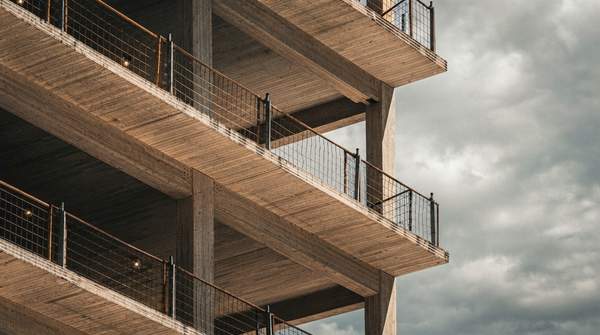
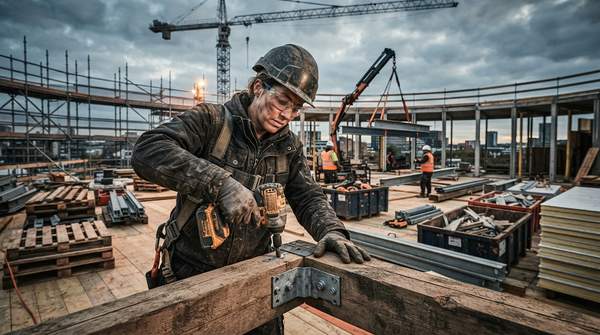
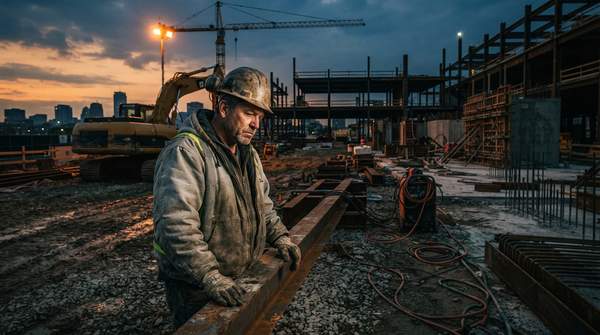
In a building's first decade, the carbon embedded in its materials can account for up to 67 percent of its total emissions, a surprising figure often overlooked in sustainability discussions. This initial carbon footprint, known as embodied carbon, contributes significantly to global warming targets from construction's start, long before occupancy. Ignoring these early emissions locks in a substantial environmental debt, undermining climate goals.
The impact of embodied carbon is increasingly understood, but widespread policy and industry adoption of sustainable material solutions still lags. This gap between awareness and action challenges the construction sector to urgently reduce its environmental footprint.
As awareness grows and local governments implement stricter requirements, demand for and innovation in sustainable building materials will accelerate, making them standard, not niche. For more, see our What are sustainable building materials.
The Hidden Carbon Cost of Construction
In a building's first decade, embodied carbon from materials comprises 38 to 67 percent of all carbon emissions, according to EESI. This high percentage means focusing only on operational energy efficiency misses a critical window for carbon reduction. Embodied carbon includes greenhouse gas emissions from material extraction, manufacturing, transportation, installation, and disposal.
Understanding this initial carbon debt is vital. Operational emissions, like heating and cooling, occur over a building's lifespan. Embodied emissions are largely fixed at the outset. Addressing them through material choices and construction practices offers an immediate opportunity to lower a building's overall environmental impact.
Strategies for Reducing Embodied Emissions
Minimizing embodied carbon involves practical strategies. Reduce emissions by using fewer materials, reusing existing ones, optimizing building structure for durability, and minimizing construction waste, according to EESI. This isn't just about material choice; it's a holistic approach to design, procurement, and construction.
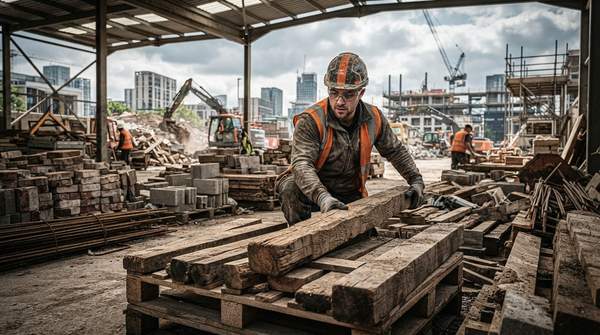
Designers can specify low-carbon materials like mass timber or recycled steel. Construction teams can use efficient techniques to minimize scrap and prioritize salvaged materials. Extending a building's lifespan through durable design also spreads its embodied carbon over a longer period, reducing its annual impact.
Policy Pushes for Greener Buildings
Vancouver, British Columbia, requires new buildings to measure material impact at permit obtention, according to EESI. This local mandate accounts for embodied carbon. In contrast, the federal government's sustainable building principles evolved incrementally, with updates in December 2020, February 2016, October 2011, and September 2011, as detailed by Fedcenter.
The federal government's slow, iterative updates—only three revisions in nine years—demonstrate policy inertia. The federal government's slow, iterative updates—only three revisions in nine years—undermine efforts to address the 38-67% of emissions locked in by materials in a building's first decade, according to EESI. Vancouver's measurement requirement is a positive local step, but the lack of widespread mandates leaves the construction industry to its own devices, perpetuating avoidable carbon debt. The varied pace and scope of these policies create a fragmented approach to a global challenge.
Why Policy is Key to Sustainable Construction
Policy levers like zoning laws, environmental product declarations (EPDs), and building codes incentivize embodied carbon reduction, according to EESI. Without robust policy, voluntary adoption of sustainable materials will be too slow for climate goals. Regulations create a level playing field, ensuring all projects consider material impact, not just individual choice.
Mandatory reporting, as in Vancouver, pushes developers to quantify emissions. Building codes can set minimum embodied carbon thresholds, similar to energy efficiency rules. Government procurement can also drive demand for low-carbon materials by prioritizing them in public projects.
Addressing the Future of Sustainable Materials
What are the most common sustainable building materials?
Emerging sustainable building materials include hempcrete—a concrete-like material from hemp and lime—and mycelium-based composites, which use mushroom roots for strong, lightweight panels. Recycled steel and aluminum are also widely used, offering significant embodied carbon reductions over virgin materials.
What are the performance characteristics of eco-friendly building materials?
Eco-friendly materials often provide enhanced thermal insulation, reducing operational energy needs. Many also offer superior acoustic properties, improved indoor air quality due to fewer volatile organic compounds, and increased durability, leading to longer building lifespans and reduced maintenance.
Building a Greener Future, One Material at a Time
By Q3 2026, major developers like TerraForm Construction are projected to source over 60% of their structural materials from suppliers providing verified Environmental Product Declarations, driven by evolving municipal mandates and a growing understanding of material impact.