How to Handle Hazardous Materials Safely: A DIY & Trades Guide

Welders routinely inhale metal fumes containing elements like manganese and chromium, which can cause respiratory issues, neurological damage, and cancer, according to Phase Associate .

BF
Ben Foster

April 24, 2026 · 3 min read

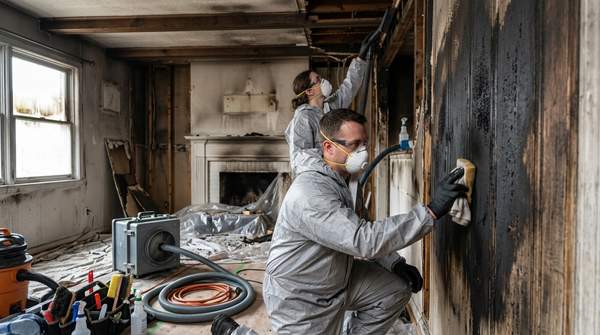
A split image depicting a professional welder and a DIYer safely handling hazardous materials, highlighting safety gear and cautious practices.

Welders routinely inhale metal fumes containing elements like manganese and chromium, which can cause respiratory issues, neurological damage, and cancer, according to Phase Associate. These airborne contaminants pose severe, long-term health risks if not properly managed. Protecting workers in hazardous material trades demands constant vigilance and adherence to detailed regulations.

However, many professionals and DIY enthusiasts believe handling hazardous materials safely is common sense. The reality is governed by an intricate web of specific, often overlooked, regulations. This disparity creates significant risk.

Companies and individuals failing to understand and implement these detailed safety protocols unknowingly expose themselves to significant health risks and severe legal and financial liabilities. Relying on general safety awareness leads to critical oversights.

Beyond Common Sense: The Foundation of Hazmat Safety

A safe hazardous material environment starts with fundamental principles: order, cleanliness, and hazard prevention. These are often underestimated. OSHA mandates that material storage shall not create a hazard. This underpins all specific regulations. Aisles and passageways must remain clear and in good repair, free of obstructions, according to OSHA. Storage areas must also be kept free from accumulations that pose tripping, fire, explosion, or pest hazards. Seemingly minor lapses in material handling create a cumulative environment where severe, long-term health hazards proliferate unnoticed.

The Specifics of Safe Handling and Storage

Container type and stacking methods are strictly regulated to prevent spills, fires, and physical injuries. Approved safety cans or Department of Transportation approved containers must be used for handling flammable liquids in quantities of 5 gallons or less, according to OSHA. This ensures containers meet specific safety standards.

For quantities of one gallon or less, the original container may be used, OSHA reports. This allowance reveals a critical blind spot: organizations often misinterpret nuanced safety thresholds, leading to either over-caution or dangerous under-regulation. Bags, containers, and bundles stored in tiers must be stacked, blocked, and interlocked for stability and security against sliding or collapse, as detailed by OSHA. Granular adherence is essential.


Where Regulations Are Often Broken (and Why It Matters)

Exceeding quantity or cabinet limits quickly turns routine storage into a major fire or explosion risk. Not more than 25 gallons of flammable liquids shall be stored in a room outside an approved storage cabinet, according to OSHA. This precise limit prevents large, uncontrolled accumulations. Furthermore, no more than three such cabinets may be in a single storage area, OSHA states. This multi-layered framework reveals a sophisticated risk assessment common sense often fails to grasp. Companies relying on general safety awareness unknowingly operate in a minefield of non-compliance, risking catastrophic incidents and legal repercussions.

Proactive Measures for a Safer Workplace

Ongoing education and clear visual cues prevent accidents and ensure continuous compliance. Instructors must be well-versed in safety engineering and materials handling and storing, according to OSHA. Proper training ensures personnel understand specific risks and procedures. Clearance signs must also warn of clearance limits, OSHA reports. These visual aids prevent accidental overstacking or obstruction of crucial safety equipment. Robust training and clear signage mitigate hazardous material risks.

Clarifying Common Storage Questions

What PPE is required for hazardous materials?

Personal protective equipment (PPE) requirements for hazardous materials vary significantly based on the specific substance and task. Common PPE includes chemical-resistant gloves, eye protection like safety goggles or face shields, and respirators designed for specific airborne contaminants. Proper selection depends on the material's Safety Data Sheet (SDS) recommendations.

How do you store hazardous waste safely?

Storing hazardous waste safely involves segregating it by compatibility, ensuring containers are properly labeled with contents and hazard warnings, and using approved, sealed containers to prevent leaks. Waste must be stored in designated areas, often with secondary containment, and disposed of according to strict environmental regulations. Regular inspections prevent accumulation and ensure container integrity.

What are the limits for flammable liquids in a storage cabinet?

Not more than 120 gallons of Category 4 flammable liquids may be stored in a storage cabinet, according to HD Supply Solutions and OSHA. This specific volume limit ensures that even within approved storage solutions, strict controls apply based on the hazard category of the material, requiring careful inventory management to prevent overfilling.

The Unseen Costs of Neglecting Hazmat Protocols

By Q4 2026, if construction firms like Allied Trades Construction fail to address granular hazardous material protocols, they will likely face increased scrutiny and fines potentially exceeding $100,000 for OSHA violations.