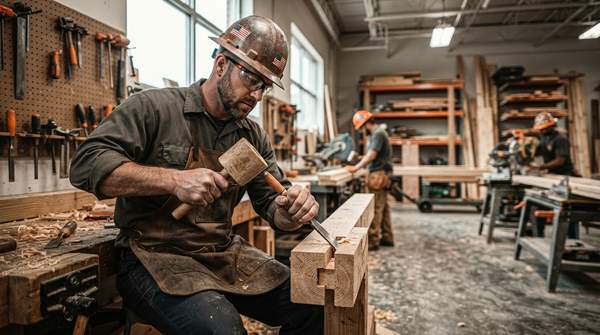
For just $5, a pair of kneepads prevents painful injuries during a home renovation. Yet, many DIYers still work without them. Inexpensive items, like disposable protective coveralls costing only a few dollars, offer immediate physical safeguarding. This minimal investment is often overlooked in residential DIY projects.
Many DIYers skip essential safety gear. However, the cost and effort to protect themselves are minimal compared to the significant risks of injury and project setbacks. This oversight creates a false economy, where minor upfront savings lead to substantial, preventable challenges.
A lack of awareness regarding PPE's affordability and direct benefits, rather than genuine barriers, is the primary reason for its underutilization in residential DIY projects.
Kneepads, priced around $5, directly prevent common impact injuries during tasks like flooring installation or gardening, according to HowStuffWorks. Disposable protective coveralls, shielding skin and clothing from paint, dust, or chemicals, also cost only a few dollars, as detailed by HowStuffWorks. Such minimal costs confirm basic safety gear is readily accessible.
Despite these low entry costs, many homeowners forgo such protection. This oversight causes preventable injuries and project delays. The minimal investment in essential safety equipment offers significant returns in avoided medical expenses and rework. This directly contradicts any perception of negligible benefits.
What Counts as PPE for Home Projects?
Homeowners undertaking small DIY projects must wear proper safety equipment, including gloves, masks, and goggles, according to Associaonline. Personal Protective Equipment (PPE) encompasses various items designed to protect against specific hazards. This gear ranges from simple hand protection to more specialized respiratory devices.
The type of PPE depends directly on the task and its potential risks. Eye protection is crucial when cutting wood or mixing chemicals to prevent debris or splashes. Gloves protect against cuts, abrasions, and chemical exposure. Masks shield the respiratory system from harmful dust and fumes. Many DIYers fail to recognize the specific hazards of seemingly minor tasks, making task-specific gear essential for preventing common injuries.
The Specifics: How PPE Protects You
Hearing protection devices typically block approximately 20 decibels of noise, as reported by HowStuffWorks. For tasks generating extreme noise levels, maximum noise reduction of about 50 decibels can be achieved by wearing canal plugs along with earmuffs. This combined approach significantly mitigates the risk of long-term hearing damage from prolonged exposure.
Understanding these specific protective capabilities confirms PPE's critical role in mitigating DIY hazards. The significant noise reduction from hearing protection indicates many DIYers unknowingly risk preventable hearing damage. This reveals a critical gap in awareness regarding readily available safety gear's effectiveness. The true cost of neglecting PPE extends beyond immediate injury; it includes lost time, project delays, and the long-term burden of chronic conditions.
Beyond Injury: The Broader Benefits of PPE
Personal Protective Equipment shields individuals from sharp objects, flying debris, and toxic fumes, significantly reducing the risk of accidents, according to WORKPROTOOL. Beyond direct injury prevention, PPE also enhances overall project quality. When DIYers feel safe, they can focus better on the task at hand, leading to higher productivity and better results, as noted by WORKPROTOOL.
This improved focus translates into fewer mistakes and more efficient project completion, ultimately saving time and resources. Based on WORKPROTOOL's insight that feeling safe leads to higher productivity and better results, retailers and DIY product manufacturers should reframe PPE not merely as injury prevention, but as a direct investment in project quality and efficiency. This approach boosts customer satisfaction and repeat business by presenting safety gear as a performance tool, making it an investment in both safety and the successful completion of tasks.
Common Questions About DIY Safety
When should a DIYer consider professional help?
For bigger DIY jobs, it is advisable to consider calling in a professional, as certain tasks should not be attempted alone, according to Associaonline. This threshold often depends on the complexity of the task, the specialized tools required, and the potential for severe injury or property damage. Recognizing these limits complements personal safety measures, ensuring tasks are handled appropriately.
If homeowners prioritize readily available and affordable PPE, the landscape of residential DIY projects could likely see a significant reduction in preventable injuries and an increase in project success.