Despite a simple complaint like 'my car's A/C isn't cold,' a single refrigerant leak, often invisible, can lead to hours of diagnostic work and hundreds of dollars in repair costs if not precisely located. This hidden complexity in automotive HVAC system diagnostics and repair presents a significant challenge for technicians, potentially escalating costs for consumers.
Many common automotive HVAC issues present with identical symptoms, but their root causes and required repair procedures are vastly different and demand specialized diagnostic methods. This divergence often traps inexperienced technicians in a cycle of guesswork, prolonging repair times.
Technicians who develop a rigorous, evidence-based diagnostic methodology for HVAC systems will significantly reduce repair times, improve customer satisfaction, and secure their professional standing in a competitive market.
Beyond the Chill: Understanding Common HVAC Failures
A common cause for a car's A/C system not producing cold air is a refrigerant leak, as noted by Toyota. However, this is just one of many potential issues. Technicians must also diagnose failing compressors, clogged expansion valves, or electrical malfunctions, each demanding a distinct diagnostic approach. Sundevil Auto observes that consumers experiencing 'no cold air' often face an underlying refrigerant leak, which requires specialized detection beyond a simple recharge. This means a quick fix, like a basic recharge, frequently masks the true problem, leading to repeat visits and customer frustration.
The Diagnostic Journey: A Systematic Approach
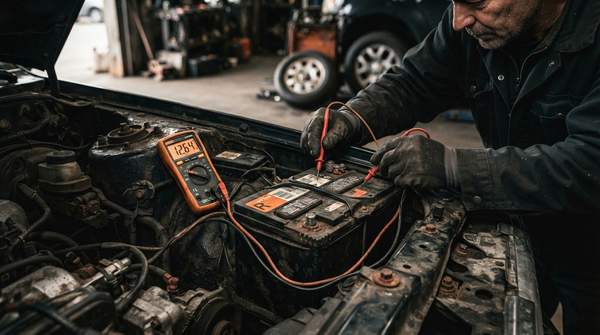
Diagnosing a vehicle's HVAC system requires a methodical, step-by-step process for accuracy and efficiency. Start by verifying the customer's complaint, noting specific symptoms: air temperature, fan operation, and unusual noises. Then, visually inspect the system for damage, loose connections, or refrigerant oil residue, which can indicate a leak. Skipping these initial steps often leads to misdiagnosis and wasted time.
Avoiding Common Diagnostic Traps
Technicians frequently encounter diagnostic traps. Relying solely on pressure readings without considering ambient temperatures or system load is one. Rushing conclusions or depending only on generic fault codes without deeper investigation often results in incorrect repairs and dissatisfied customers. For instance, a low-pressure reading might signal a leak, but it could also stem from a faulty pressure switch or an overcharge. Skipping a comprehensive leak detection test and immediately recharging a system, especially with dyes, masks the true problem, necessitating repeat visits.