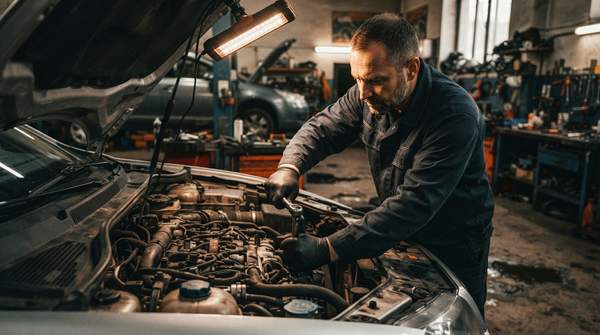
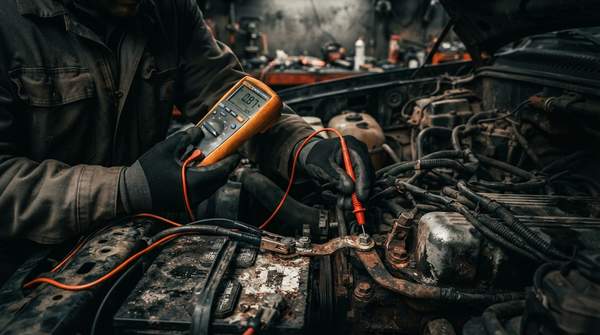
Complete brake failure, a direct consequence of neglected maintenance, significantly increases stopping distances. This puts drivers and others on the road at immediate risk during unexpected stops. While automotive experts advise professional brake inspections every six months, many drivers defer maintenance until a problem becomes audible or noticeable. This reactive approach risks catastrophic failure, prioritizing short-term convenience over crucial safety. Such delays mean vehicles operate with compromised braking systems, increasing the likelihood of sudden malfunctions and costly damage to components beyond simple pad wear, according to Parents Auto Care.
The Non-Negotiable Minimum: Annual Brake Checks
Vehicle brakes require inspection at least once a year, according to Insureonthespot. This annual check-up is the baseline for safety and component longevity. However, Insureonthespot's advice, which suggests both bi-annual and annual inspections, creates a dangerous ambiguity. This allows drivers to rationalize delaying critical safety checks, directly increasing the risk of dangerous situations like increased stopping distances.
DIY Check: When to Replace Your Brake Pads
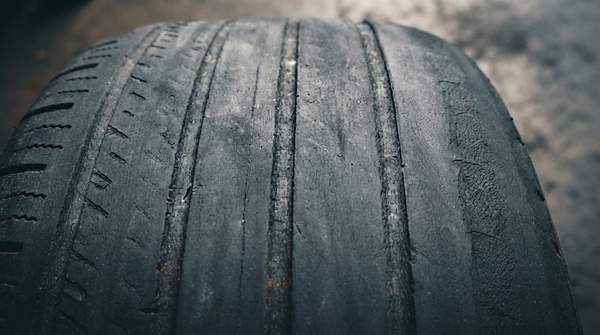
Drivers can visually assess brake pad wear. If pads appear thinner than approximately 1/4 inch (6 mm), they require replacement. This simple check helps monitor brake health. However, visual inspection only identifies immediate pad thickness; it misses deeper, systemic problems. Professional inspections catch underlying issues before a driver notices a problem, preventing expensive damage to other critical brake components.
The Dangers of Improper Brake Line Materials
Using incorrect materials for brake lines compromises system integrity, leading to catastrophic failure. Copper or aluminum tubing, for instance, cannot withstand necessary pressure requirements, according to Modern Rodding Magazine. Employing unsuitable materials during repairs significantly increases the risk of brake failure under extreme operational conditions. This can result in leaks, reduced performance, or complete loss of hydraulic pressure, posing severe safety risks.
Beyond the Minimum: Expert Advice for Optimal Brake Health
For optimal vehicle safety, automotive experts advise professional brake inspections every six months. This frequency allows for early detection of wear, preventing minor issues from escalating into critical or costly repairs. Vehicle owners who delay maintenance beyond these recommendations risk more than worn pads; they set themselves up for a cascade of costly failures across the entire braking system. This includes damage to rotors, calipers, and even the master cylinder, exponentially increasing repair costs, warns Parents Auto Care.
Common Questions About Brake Maintenance
What are the common problems with modern braking systems?
Modern braking systems can experience issues beyond simple pad wear, including sensor malfunctions within Anti-lock Braking Systems (ABS) or Electronic Stability Control (ESC). These failures often trigger dashboard warning lights, requiring specialized diagnostic tools to identify the specific fault code. Electronic parking brake faults also represent a growing concern in newer vehicles, adding another layer of complexity to diagnostics.
How often should brake fluid be changed in modern cars?
Brake fluid is hygroscopic, meaning it absorbs moisture from the air over time, which reduces its boiling point and can lead to internal corrosion of brake lines and components. Most vehicle manufacturers recommend changing brake fluid every two to three years, regardless of mileage. This preventative measure ensures consistent braking performance and extends the lifespan of critical hydraulic components within the braking system.
What is the difference between traditional and modern braking systems?
Traditional braking systems rely solely on hydraulic pressure to actuate the brakes, offering a direct mechanical link. Modern systems, however, integrate electronic components such as Anti-lock Braking Systems (ABS), Electronic Brakeforce Distribution (EBD), and often regenerative braking in hybrid or electric vehicles. This integration enhances vehicle stability and stopping power, but also introduces more complex diagnostic requirements and potential for electronic faults.
If drivers consistently adhere to bi-annual inspections, a significant reduction in major brake system overhauls appears likely, demonstrating the financial benefits of preventative maintenance.