The right water filter for your home depends on one question first: do you need to treat all the water entering your house, or just the water you drink and cook with? Whole-house systems filter everything at the point of entry, under-sink reverse osmosis (RO) systems deliver highly purified water at a single tap, and simpler point-of-use filters like countertop units offer targeted treatment with easier installation. Your choice hinges on your specific contaminants, budget, and tolerance for trade-offs like water waste and mineral removal.
Introduction: Navigating Your Home Water Filtration Options
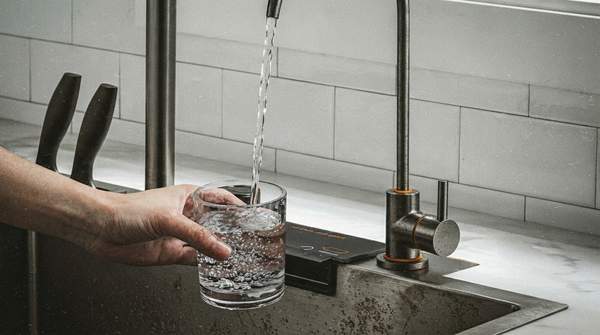
Residential filtration splits into two broad strategies. Point-of-entry (whole-house) systems intercept water where it enters your home, so every tap and appliance receives treated water. Point-of-use systems treat water at a single location, usually the kitchen sink, using under-sink or countertop units.
The Environmental Working Group notes that whole-house systems can use ion exchange, reverse osmosis, or activated carbon technology, and that they are expensive compared with point-of-use filtration and usually not necessary for most homes. Wirecutter's Tim Heffernan points out that under-sink filters use the same filter materials as pitcher filters but exploit household water pressure for faster filtration and much broader contaminant removal, with on-demand delivery that can fill a pasta pot in minutes.
Before choosing any system, test your water. No filter choice makes sense until you know which contaminants are actually present in your supply.
Whole-House Water Filters: Comprehensive Home Protection
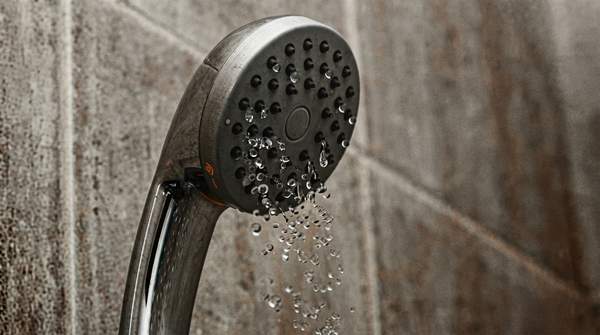
A whole-house filter is installed on the main water line, so all taps and appliances receive filtered water. This makes it the only option that treats bathing and washing water, not just drinking water.
According to the Environmental Working Group, this type of system is expensive compared to point-of-use filtration and is usually not necessary in most cases. The group cites specific situations where whole-house treatment may be justified: water containing high levels of radiologicals, or high levels of iron that may damage home appliances.
There is also a subtler risk. Because whole-house systems can remove chlorine, they may introduce the additional risk of harmful bacterial growth in plumbing, since chlorine normally suppresses bacteria in your pipes. Whole-house RO systems carry a further drawback: they waste a large amount of water, compounding the cost and complexity of treating your entire supply.