For most residential projects, the right concrete sealer comes down to where the surface lives. Driveways, patios, and other outdoor, high-traffic concrete are best served by penetrating silane/siloxane sealers, which protect against water, salts, and freeze-thaw damage without changing the concrete's appearance. Garage floors and basements call for epoxy, the most durable option, with strong resistance to abrasion, chemicals, and stains—but it degrades under UV light, so it stays indoors. Acrylics sit in the middle: they enhance color and add gloss to decorative concrete like stamped patios, but they scratch more easily and need more frequent reapplication.
Understanding the Main Types of Residential Concrete Sealers
The three most common residential sealers fall into two families: penetrating sealers that soak into the concrete, and film-forming sealers (acrylic and epoxy) that create a protective layer on top. That structural difference drives nearly every trade-off between them—appearance, durability, breathability, and where each can be used.
Penetrating sealers, such as silane and silane/siloxane blends, work by soaking into the capillaries of the concrete rather than coating it. According to Concrete Colour Systems, they form a long-lasting, durable barrier against the ingress of water-borne pollutants and salts while retaining a natural-looking finish. A guide from Concrete Sealer Review adds that they protect against efflorescence and freeze-thaw damage, keep a matte finish, and do not alter the surface's color or texture. Because they leave no film, they also hold up well against abrasion—Prosoco's comparison chart rates silane/siloxane sealers as breathable, which matters for slab floors where trapped moisture is a concern.
Acrylic sealers form a film on the surface and come in water-based and solvent-based versions. They are valued for appearance: Bob Vila's testing team describes a smooth, clear finish available in a range of sheens from matte to glossy, and solvent-based acrylics are commonly used on stamped, colored slabs to enhance that decorative look. The trade-off is durability. Prosoco rates both acrylic types as only moderately water repellent and high in slip risk when wet, and the film can scratch or wear through, requiring more frequent reapplication than the other types. Water-based acrylics are breathable and suited to interiors with fast recoat times; solvent-based versions are not breathable.
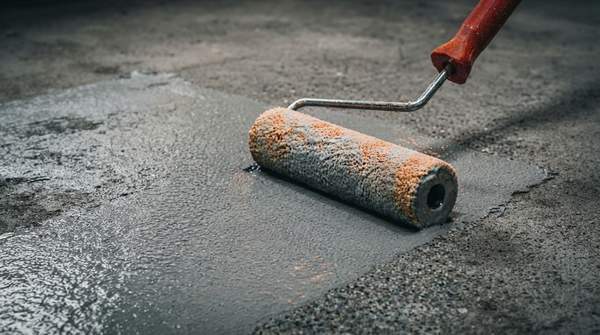
Epoxy is the heavy-duty film-former. Prosoco rates it high for water repellency, and Concrete Sealer Review identifies it as the most durable type, offering excellent protection against abrasion, chemicals, and stains—which is why it's used in demanding settings like warehouses and labs as well as home garages. Bob Vila's team notes epoxy provides a thick, extremely durable, glossy finish, available clear or in a variety of colors. Its weaknesses are equally clear: it is not breathable, it is very slippery when wet, and it is not recommended for outdoor use because UV exposure causes yellowing and degradation.
Concrete Sealer Comparison for Residential Use
| Sealer Type | Best For (Applications) | Appearance/Finish | Durability/Protection Level | Key Pros | Key Cons |
|---|---|---|---|---|---|
| Penetrating (silane/siloxane) | Driveways, patios, walkways, retaining walls, exterior brick, basements, garages—high-traffic exterior concrete, especially in cold climates | Natural, matte; does not alter color or texture | Long-lasting barrier against water-borne pollutants and salts; breathable; resists freeze-thaw damage | No film to wear or peel; protects without changing appearance | No color enhancement or gloss; limited decorative value |
| Acrylic (film-forming) | Decorative concrete such as stamped, colored slabs; water-based versions suit interiors with fast recoat times | Clear film, matte to glossy; enhances color | Moderate water repellency; film can scratch easily and may yellow with UV exposure | Easy aesthetic upgrade; range of sheens | Slippery when wet; more frequent reapplication than other types |
| Epoxy (film-forming) | Indoor applications: garage floors, basements, and high-wear areas | Thick, glossy film; clear or colored options | Most durable type; excellent abrasion, chemical, and stain resistance; very high water repellency | Best protection for hard-use interior floors | Not breathable; very slippery when wet; not recommended outdoors due to UV degradation |
Reading the table side by side shows the core pattern: as you move from penetrating to acrylic to epoxy, surface protection and gloss increase, but so do the constraints—slipperiness, loss of breathability, and, for epoxy, loss of outdoor usability. Penetrating sealers sacrifice appearance for invisible, abrasion-tolerant protection; epoxies sacrifice flexibility for maximum durability.
Choosing the Right Sealer for Your Specific Residential Project
Driveways and outdoor patios
For driveways, patios, and walkways, penetrating sealers are the strongest match. Concrete Sealer Review lists all of these as ideal applications, and the reasoning follows from the surface's demands: vehicle and foot traffic would abrade a soft film, while a sealer that soaks into the concrete keeps protecting with nothing on the surface to scrape off. The salt and freeze-thaw protection matters most in cold climates, where de-icing salts and repeated freezing cycles break down unprotected concrete. If the patio is stamped or colored and you want a wet-look gloss, a solvent-based acrylic is the alternative—accepting more frequent recoating and a slipperier surface when wet.
Garage and basement floors
Interior slabs are epoxy territory. A garage floor faces tire abrasion, oil and chemical drips, and staining—all areas where Concrete Sealer Review notes epoxy excels. Bob Vila's team also recommends acrylic for floors where a simpler clear coat is acceptable, and notes interior sealers must still be waterproof even though UV resistance is irrelevant indoors. One caveat from Prosoco's data: epoxy is not breathable, so if moisture is moving up through a slab, breathability is a factor to weigh—Prosoco specifically notes slab floors benefit from it. Basements appear on Concrete Sealer Review's list of penetrating-sealer applications, making a penetrating sealer a reasonable choice there when a natural look and breathability matter more than a glossy, chemical-resistant coating.
Decorative and specialty surfaces
For stamped or colored concrete, solvent-based acrylics are the standard choice because they enhance color while adding sheen. For concrete countertops, Bob Vila's testing team recommends epoxy (or polyurethane), citing its thick, extremely durable, glossy finish with clear or colored options. Water-based acrylics fill the niche of interior surfaces needing fast recoat times.
Two boundaries on this guidance: it covers only the three most common residential sealer types—penetrating, acrylic, and epoxy—and does not extend to polyurethanes or hybrid reactive sealers in any depth. It is general selection guidance for homes, not commercial or industrial settings, and it does not recommend specific brands or cover application steps. Buddy Rhodes' selection guide offers a useful caution here: match the sealer to the highest number of your project requirements, and test products on your own samples before committing.
Making Your Final Sealer Decision
Select a concrete sealer by matching its inherent properties—penetration versus film-forming, durability, appearance, and UV resistance—to the specific demands of your residential application, whether that's a high-traffic exterior surface, a chemical-prone interior floor, or a decorative patio. The framework is simple to apply: outdoor and vehicle-trafficked concrete points to a penetrating silane/siloxane sealer; an indoor garage floor that takes abuse points to epoxy; decorative stamped concrete where appearance is the goal points to acrylic.
The measure of a good choice is whether the chosen sealer's performance aligns with the expected wear, environmental exposure, and desired aesthetic for the specific concrete surface over its expected lifespan. Watch for the telltale failure signs of a mismatch: a film that scratches or yellows under UV on a driveway, or an epoxy garage floor that degraded because it was used outdoors. If the surface still beads water, resists staining, and keeps its intended finish through the seasons, the sealer type was matched correctly to the job.
Sources
- Understanding the types of concrete sealers — Concrete Colour Systems
- 8 Types of Concrete Sealers for Long-Term Durability - Prosoco
- After 3 Weeks of Hands-On Testing, Here Are Best Concrete Sealers to Protect Against Stains — Bob Vila
- Best Concrete Sealer (2026): Reviews, Types & Expert Guide — Concretesealerreview
- Overview of Common Concrete Sealer Options — Buddyrhodes