
Gfci
5 articles

Standard, GFCI, or AFCI: How Each Residential Circuit Breaker Stops a Different Electrical Hazard
Residential circuit breakers protect homes from electrical hazards, but standard, GFCI, and AFCI types each guard against different dangers. Understanding these distinctions is crucial for ensuring proper electrical safety, as each breaker type responds to specific faults like overcurrents, ground leaks, or arc faults.
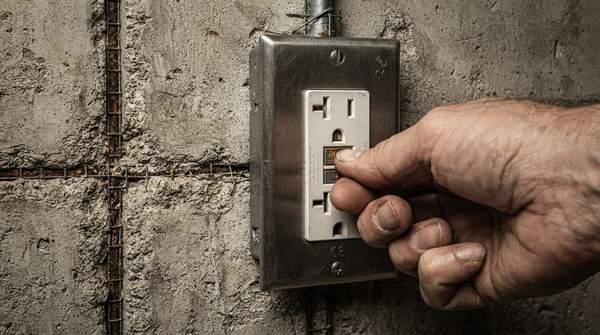
Why Your GFCI Outlet Won't Reset — and How to Find the Real Cause
When a GFCI outlet trips and refuses to reset, the problem is usually a tripped breaker, a faulty appliance, or a failed GFCI device. This guide provides a step-by-step process to help homeowners isolate the cause without touching wires.
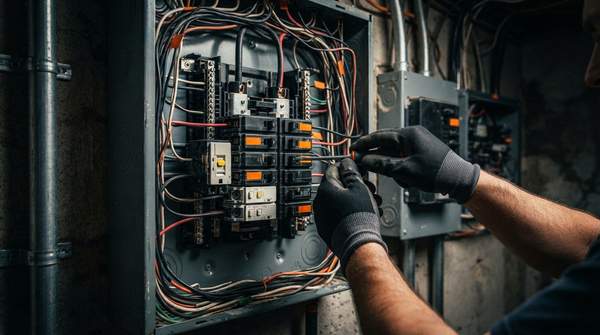
Standard, GFCI, AFCI or Dual-Function: Which Circuit Breaker Does Each Room of Your Home Need?
Residential circuit breakers protect against different electrical hazards like overloads, shocks, and fires. Choosing the right type—standard, GFCI, AFCI, or dual-function—for each room ensures safety and requires checking panel compatibility.

What are GFCI outlets and why do they matter for kitchen safety?
In U.S. kitchens, even refrigerator, disposal, and microwave receptacles now require Ground-Fault Circuit Interrupter (GFCI) protection. This marks a significant expansion of safety mandates, challeng

What Are GFCI and AFCI Breakers and Why Do They Matter?
Standard circuit breakers, ubiquitous in homes, are blind to the very electrical arcs that ignite thousands of house fires annually.