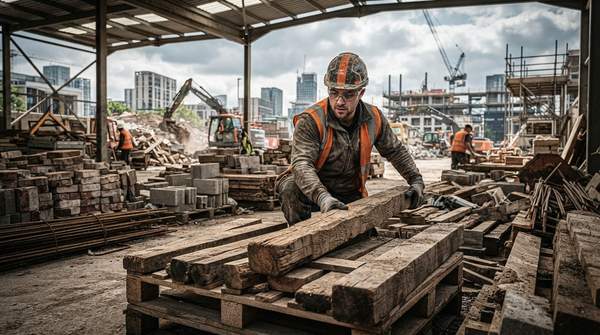
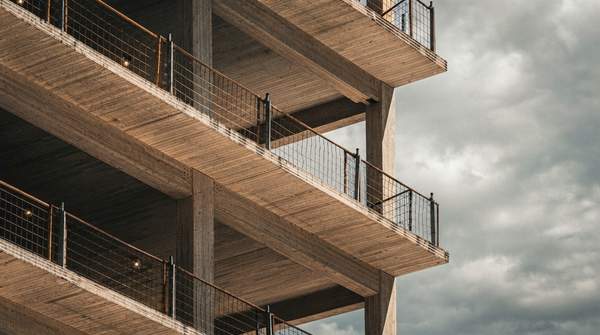
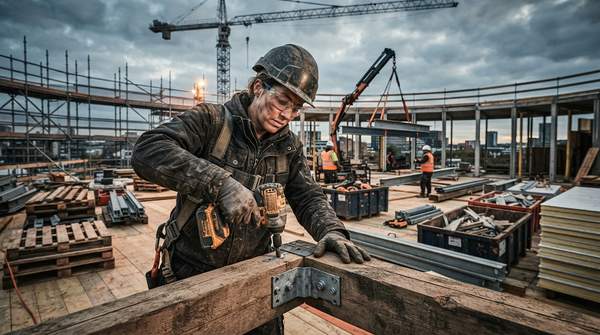
Embodied carbon, the emissions tied to building materials and construction, accounts for roughly 50% of a new energy-efficient building's total life-cycle carbon emissions, according to Journal-BuildingsCities. The substantial, often overlooked footprint of embodied carbon impacts the planet long before a building opens. Globally, embodied emissions from buildings contribute approximately 10% of all energy-related CO2 emissions, demonstrating their pervasive environmental cost.
Green buildings promise significant long-term economic and environmental advantages. Yet, high initial investment costs and market skepticism continue to impede widespread adoption. The tension between high initial investment costs and market skepticism creates a critical barrier to broader sustainability goals within the construction sector.
Without a fundamental shift in perception and policy—prioritizing life-cycle value over upfront costs—the full potential of sustainable building materials to combat climate change will remain largely untapped. Misperceptions currently hinder the widespread use of these materials, despite their crucial environmental benefits for mitigating climate change, especially as we approach 2026.
The Hidden Impact of Building Materials
Construction material choices profoundly impact global emissions and indoor human health. Embodied carbon—emissions from extraction, manufacturing, transport, and construction—accounts for roughly 50% of a new energy-efficient building's total life-cycle carbon emissions, as reported by Journal-BuildingsCities. Material selection is a critical factor for overall building sustainability.
Low-carbon materials significantly reduce a building's embodied carbon footprint, ScienceDirect reports. Beyond this, green building materials and technologies also improve indoor air quality, fostering healthier, more comfortable living environments, according to Nature. Improved indoor air quality and healthier living environments directly impact occupant well-being, extending beyond mere environmental concerns.
Focus on operational energy efficiency often overshadows the substantial environmental footprint embedded in a building's structure. Companies that continue using high-carbon materials contribute significantly to a building's total life-cycle emissions. They also miss opportunities for cost-neutral, innovative design that could drastically cut this impact. For more, see our Innovative Eco-Friendly Building Materials for.

Understanding Sustainable Building Materials
Sustainable building materials minimize environmental impact across their entire life cycle: from extraction and manufacturing to use and disposal. They typically feature low embodied energy, renewable sourcing, recyclability, and reduced toxicity. Sustainable materials' features of low embodied energy, renewable sourcing, recyclability, and reduced toxicity contrast sharply with conventional materials, which often demand intensive energy for production or generate substantial waste.
The core principle is to reduce construction's overall environmental burden. Reducing construction's overall environmental burden means lowering greenhouse gas emissions, conserving natural resources, and minimizing pollution. Locally sourced materials, for example, cut transportation emissions. Materials made from recycled content divert waste from landfills.
Sustainable options also improve a building's performance and longevity. Materials with superior insulation properties reduce heating and cooling demands, lowering operational energy consumption. Considering both immediate construction impact and the long-term environmental footprint is a holistic approach. Ignoring these long-term benefits means missing out on significant operational savings and a more resilient building asset.
Debunking the Cost Myth: Green Buildings Save Money
Despite market perceptions, constructing buildings with low embodied carbon can be cost-neutral or even generate economic benefits through smart design, Journal-BuildingsCities reports. The fact that constructing buildings with low embodied carbon can be cost-neutral or even generate economic benefits contradicts prevailing skepticism among developers and consumers about green construction's economic viability.
Green buildings typically save money through reduced energy and water consumption, plus lower long-term operations and maintenance costs, states the World Green Building Council. Operational savings from reduced energy and water consumption, plus lower long-term operations and maintenance costs, often offset any perceived initial investment, providing a clear financial incentive over the building's lifespan.
Nature states that the significant initial investment for green buildings often fuels skepticism among developers and consumers, complicating promotional efforts. Nature's assertion that significant initial investment for green buildings often fuels skepticism, however, clashes with Journal-BuildingsCities' findings that low-embodied carbon construction can be cost-neutral. A fundamental disconnect between market perception and the actual financial viability of sustainable construction is revealed by the discrepancy, suggesting skepticism stems from misinformation, not reality.
Journal-BuildingsCities' findings confirm that industry skepticism about the initial cost of sustainable construction is largely unfounded. Journal-BuildingsCities' findings that industry skepticism about the initial cost of sustainable construction is largely unfounded points to a critical market failure in communicating the true economic viability of low-embodied carbon design. Green buildings can be cost-neutral or profitable through smart design and substantial long-term operational savings.
Addressing Market Misconceptions
The persistent belief that green buildings are inherently more expensive is a critical market misconception. The perception that green buildings are inherently more expensive often stems from a narrow focus on upfront material costs, ignoring the broader economic picture that includes long-term operational savings and potential property value increases. Developers, in particular, often prioritize immediate construction budgets over life-cycle cost analysis.
Lack of awareness also fuels this misconception. Many stakeholders remain unfamiliar with innovative design strategies and material sourcing techniques that achieve sustainability goals without significant cost premiums. Education on these methods is essential to bridge the knowledge gap within the construction industry.
Overcoming this market inefficiency demands transparent data and successful case studies demonstrating the financial advantages of sustainable construction. When decision-makers clearly see the return on investment through reduced energy bills and lower maintenance, initial cost skepticism dissipates. Without this clarity, the industry risks falling behind competitors who embrace these proven, cost-effective strategies.
Prioritizing Life-Cycle Value
Focusing solely on initial construction costs misses the larger economic and environmental benefits accruing over a building's entire lifespan. Prioritizing life-cycle value means considering every stage of a material's existence: from raw form to deconstruction and potential reuse. Considering every stage of a material's existence, from raw form to deconstruction and potential reuse, provides a comprehensive view that reveals the true cost and benefit of material choices.
Buildings with lower operational energy demands, achieved through sustainable materials and design, yield significant utility bill savings for owners and occupants. Furthermore, the durability and reduced maintenance of many sustainable materials translate into lower ongoing expenses, extending financial benefits far beyond construction.
Beyond economics, life-cycle value also encompasses environmental stewardship. Reducing embodied carbon and minimizing waste throughout a building's existence contributes directly to climate change mitigation and resource conservation. A long-term perspective encompassing environmental stewardship is crucial for realizing sustainable building's full potential. Ignoring it means perpetuating short-sighted investments that ultimately harm both balance sheets and the planet.
What are the most sustainable building materials?
Some of the most sustainable building materials include reclaimed wood, bamboo, recycled steel, and straw bales. These materials often have a lower embodied energy, are renewable, or utilize recycled content, minimizing their environmental footprint compared to conventional options. For example, bamboo is a rapidly renewable resource that sequesters carbon.
How do sustainable building materials reduce carbon footprint?
Sustainable building materials reduce a carbon footprint through various mechanisms, such as requiring less energy for manufacturing, sequestering carbon during their growth (like timber), or extending the lifespan of a structure to avoid frequent reconstruction. Using locally sourced materials also reduces transportation-related emissions, contributing to a lower overall carbon impact.
What are the economic benefits of sustainable building materials?
The economic benefits of sustainable building materials include reduced operational costs from lower energy and water consumption, decreased maintenance needs due to enhanced durability, and potential increases in property value. These savings and benefits often offset the initial investment, leading to long-term financial gains for building owners and occupants.
The Path Forward: Policy, Data, and Market Transformation
Despite numerous government policies promoting green building development, market share remains low, and promotion faces obstacles, Nature reports. The low market share and obstacles to promotion, despite numerous government policies, suggest current policy approaches fail to effectively address underlying economic skepticism and perceived cost barriers.
Accurate, accessible data on embodied carbon and life-cycle costs are vital for market transformation. Tools like the LCA Practice Guide (Version 1.1, June 2019) provide critical information. However, ensuring continued access is paramount for informed decision-making. For instance, non-educational use of ICE Database data will end.after September 30, 2026, potentially impacting comprehensive analysis.
If policymakers and industry leaders fail to address persistent market skepticism and ensure continued access to vital life-cycle data—especially with changes like the ICE Database restriction by September 2026—widespread adoption of sustainable building practices will likely remain stunted, leaving developers who ignore cost-neutral, low-embodied carbon construction increasingly disadvantaged as regulatory pressures and market demand intensify by Q3 2026.