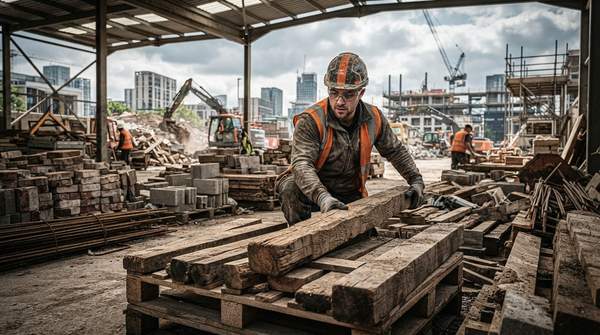
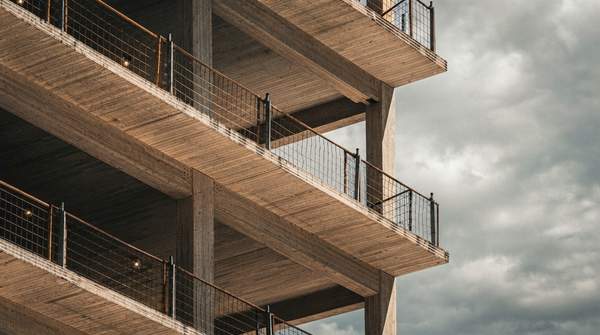
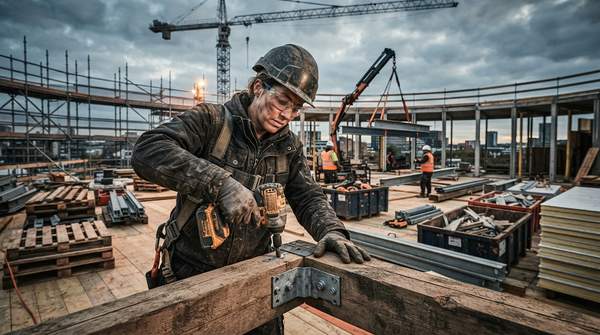
Initial investments in sustainable building materials can increase upfront construction costs by 2–7%. However, these materials simultaneously reduce operating costs by 15-30% over a 20-30 year period, offering long-term financial relief to property owners. This creates a clear tension for homeowners and developers: balancing immediate expenditure with substantial future operational savings and environmental advantages.
As awareness of total cost of ownership and environmental impact grows, the adoption of sustainable building materials will accelerate, shifting industry standards towards long-term value.
Beyond Wood and Concrete: Exploring Sustainable Material Innovations
Rammed Earth
Best for: Eco-conscious homeowners and developers seeking superior thermal performance and minimal long-term maintenance, willing to absorb higher upfront costs.
Earth placed in layers, often stabilized with 5% to 10% Portland cement. If on-site soil is unsuitable, a specific mix of 70% sand/gravel and 30% clay must be sourced, according to maden. This material offers significant thermal mass, regulating temperature and moisture to reduce heating and cooling loads by 20-52% compared to conventional assemblies, according to Nature. Such efficiency translates directly into substantial long-term energy savings, making the initial investment a strategic choice for operational cost reduction. Maintenance may be limited to reapplying a sealant every 10 to 20 years, according to us.
Limitations: Construction costs for rammed earth range from $300 to $500 per square foot. Formwork alone can consume up to 25% of the total budget, according to maden. This means a rammed earth home can cost 30% to 70% more upfront than a conventional wood-frame home, according to us, making careful budget planning essential despite the long-term benefits.
Price: High initial investment.
High-performance insulation and envelope systems
Best for: Projects focused on significant operational energy savings and improved indoor comfort.