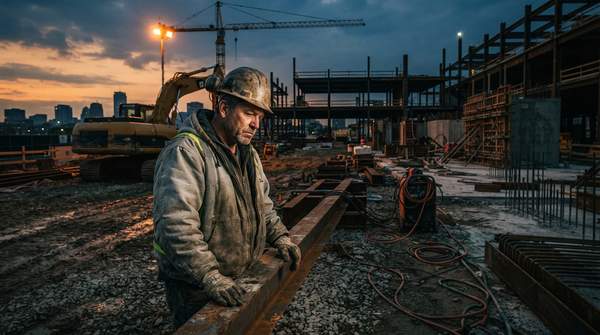
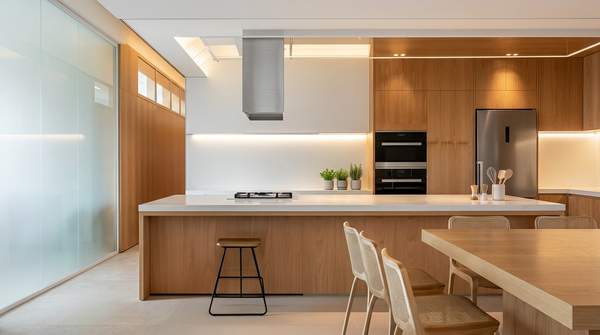
Out of an estimated 73,000 tree species, fewer than 400 are available for commercial lumber. This incredible diversity and the careful selection it implies are central to understanding lumber types, properties, applications, and environmental impact. For any tradesperson, woodworker, or serious DIYer, wood is a language. Knowing the difference between pine and oak, or why a 2x4 isn't actually two inches by four inches, determines whether a project lasts a lifetime or fails prematurely. This guide aims to move beyond simply buying wood to truly understanding it.
In today's construction landscape, balancing cost, performance, and sustainability makes building material choices more complex than ever. Lumber, one of humanity's oldest materials, remains central, from structural framing for new homes to intricate details of custom cabinetry. The choices made at the lumberyard have far-reaching consequences, impacting project longevity and success. This guide explains how to select the right wood for the job, every single time.
What Is Lumber?
Lumber is wood that has been processed from felled trees into standardized beams, planks, and boards of specific dimensions. Think of it as the raw ingredient for nearly all construction and woodworking. Just as a chef selects specific vegetables for their texture and flavor, a builder or craftsman must select the right type of lumber for its unique mechanical and aesthetic properties. Wood is a natural material, which means it comes with inherent variations in grain, color, and strength that a skilled professional learns to work with.
Lumber is fundamentally classified into two main categories:
- Softwood: This lumber comes from coniferous (cone-bearing) gymnosperm trees, which typically have needles and stay green year-round. Despite the name, not all softwoods are physically soft. They are prized in construction for their fast growth, cost-effectiveness, and strength-to-weight ratio. Common examples include pine, spruce, cedar, and fir.
- Hardwood: This lumber is harvested from deciduous trees, which have broad leaves that they usually lose in the fall. Hardwoods tend to be denser, more durable, and more resistant to wear, making them ideal for flooring, high-end furniture, and cabinetry. Examples include oak, maple, cherry, and walnut.
Within these categories, lumber is further processed into different forms. Dimensional lumber, for instance, refers to wood cut to standardized widths and depths, such as the ubiquitous 2x4 or 2x6. These are nominal measurements; the milling and drying process reduces the wood's size. According to The Stewart Lumber Co., a 2x4 board actually measures about 1.5 inches by 3.5 inches. Understanding this distinction is critical for accurate project planning and layout.
What are the essential properties of common lumber types?
Choosing the right lumber requires understanding its core properties beyond just the price tag. A material's strength, weight, workability, and resistance to decay will dictate its suitability for specific applications. While hundreds of options exist, a few common types cover the majority of construction and woodworking needs.
Softwoods for Construction
In my experience, the vast majority of residential framing is done with softwood. It's affordable, lightweight, and easy to cut and fasten, which speeds up work on the job site.
- Pine: As one of the most popular woods for dimensional lumber, pine is a workhorse. It’s lightweight and easy to work with using standard saws and fasteners. Its ready availability makes it a cost-effective choice for framing, sheathing, and general-purpose projects.
- Spruce: Often grouped with pine and fir (and sold as SPF), spruce is commonly used for wall studs and framing. Like pine, it is lightweight and easy to handle. However, it is less resistant to decay, making it suitable primarily for interior applications where it will be protected from the elements. For any exterior use, a pressure-treated alternative is a must for long-term durability.
| Feature | Pine | Spruce |
|---|---|---|
| Common Use | General Dimensional Lumber, Framing | Wall Studs, Framing |
| Workability | Easy to work with | Easy to handle |
| Weight | Lightweight | Lightweight |
| Decay Resistance | Moderate (Varies by species) | Less resistant |
Hardwoods for Durability and Finish
When the project calls for beauty, longevity, and wear resistance, hardwoods are the go-to choice. They are graded differently than softwoods. According to Virginia Tech's Forest Resources and Environmental Conservation, hardwood lumber is often marketed in three main categories: Factory lumber (graded for yielding small, clear pieces for remanufacturing), dimension parts (already cut for specific uses like furniture parts), and finished market products (like flooring or molding).
When selecting hardwood, especially for visible and high-traffic applications like flooring, a combination of qualities must be considered. As noted in a guide from Fluent Floors, these include:
- Appearance: Color, grain pattern, and character marks.
- Dimensional Stability: How much the wood expands and contracts with changes in humidity.
- Hardness: The wood's ability to resist dents and scratches, often measured by the Janka hardness test.
- Finishing Properties: How well the wood accepts stains, finishes, and adhesives.
A deeper understanding of wood properties can prevent common mistakes, such as choosing an unstable wood for a humid environment or a soft wood for a high-traffic floor.
Understanding the environmental impact and sustainability of lumber
Traditional and Engineered Applications
Lumber's applications are incredibly broad, used as structural framing for buildings and in a huge range of other products, including cabinetry, furniture, flooring, pallets, and decking. To maximize the use of every tree, the industry has developed engineered wood products. These are manufactured using a combination of wood fibers, sawmill leftovers, and various adhesives to create strong, stable, and predictable building materials like oriented strand board (OSB), plywood, and laminated veneer lumber (LVL).
The Rise of Mass Timber
Mass timber, a building material described by the American Forest and Paper Association (AF&PA), allows for the construction of buildings taller than traditional light-frame methods. Mass timber products, like cross-laminated timber (CLT), serve as a strong, low-carbon alternative to concrete and steel. These buildings are engineered for safety, meeting the same fire performance levels as structures made from other materials and designed to withstand high winds and earthquakes.
Carbon Sequestration and Sustainability
The primary environmental benefit of wood is its ability to store carbon. As a tree grows, it absorbs carbon dioxide from the atmosphere. That carbon remains locked away in finished wood products for decades or even centuries, effectively removing it from the environment. When sourced from sustainably managed forests—where trees are replanted as they are harvested—wood becomes a powerful tool in mitigating climate change. In fact, the AF&PA cites research finding that substituting wood for concrete and steel in commercial buildings cut greenhouse gas emissions by an average of 60%.
Why Understanding Lumber Types Matters
For professionals, understanding lumber directly impacts project quality, safety, and profitability. Using the wrong lumber can lead to project delays, budget overruns, or even catastrophic structural failures. For example, building a deck with untreated spruce, due to its low decay resistance, would cause it to rot in years, creating a serious safety hazard. Conversely, using an expensive, dimensionally stable hardwood for hidden framing studs would be an unnecessary waste of money.
A deep understanding of lumber allows for smarter, more efficient work, enabling confident selection of the most cost-effective material that meets all performance and code requirements. For craftsmen, this expertise unlocks the material's full potential: knowing which wood will hold a crisp edge, bend without breaking, or display a stunning grain pattern under a clear finish. This knowledge is essential for building a reputation for quality and reliability.
Frequently Asked Questions
What's the difference between nominal and actual lumber size?
Nominal size is the name of the lumber, like "2x4," which refers to its rough-cut dimensions before it's dried and planed smooth. The actual size is the finished dimension you buy at the store. For a 2x4, the actual size is typically 1.5 inches by 3.5 inches. This is because the drying process shrinks the wood and the planing process removes material to make the surfaces smooth and uniform.
Are softwood trees actually softer than hardwood trees?
Not necessarily. The terms "softwood" and "hardwood" refer to the tree's reproductive biology, not the wood's density. Softwoods come from gymnosperms (conifers), while hardwoods come from angiosperms (deciduous trees). While many hardwoods like oak and maple are very dense, some softwoods like Douglas Fir are harder than hardwoods like balsa or basswood. It's a botanical classification, not a measure of strength.
Is using wood for construction bad for the environment?
Responsibly sourced wood is an environmentally friendly building material because trees absorb and store carbon dioxide as they grow. Sustainable forestry practices ensure forests are replanted and managed for long-term health. Using wood, especially in place of carbon-intensive materials like steel and concrete, can significantly reduce a building's overall carbon footprint.
The Bottom Line
Lumber is a complex and diverse material, offering specific properties for every conceivable application. From the structural integrity of a skyscraper's mass timber frame to the delicate finish of a handmade chair, the right choice of wood is paramount. Understanding lumber's properties, grading, and environmental context makes you a better, safer, and more responsible builder.