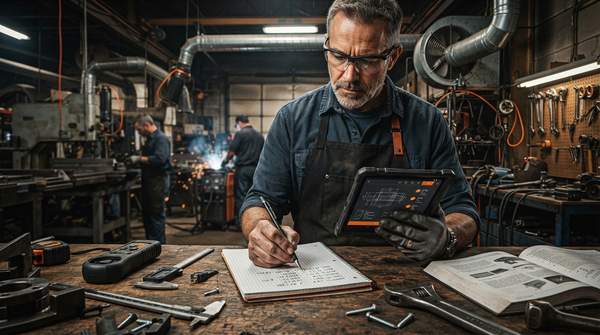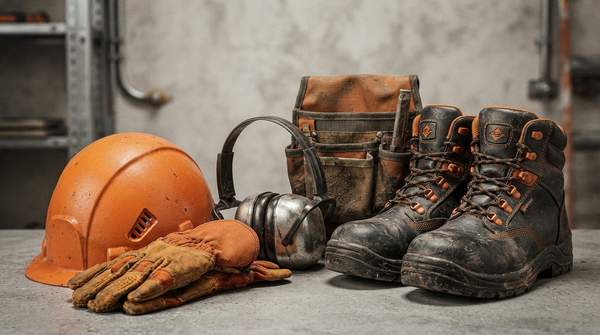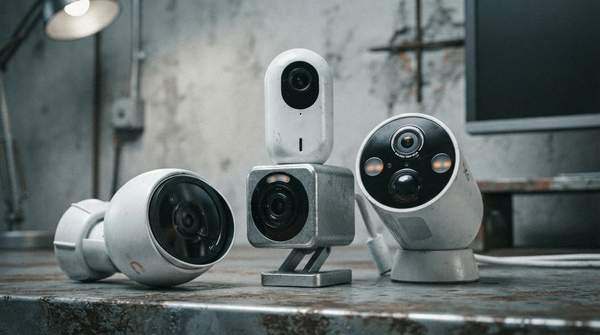
Modern safety technology is transforming how companies protect their employees, shifting the focus from simply responding to accidents to proactively preventing them before they occur. Beyond traditional personal protective equipment (PPE), a new class of smart technologies offers real-time monitoring and predictive insights to mitigate common workplace hazards. These innovations can be broadly understood in two categories: devices worn by individual workers and comprehensive systems that monitor an entire job site, each designed to address distinct types of risk.
The Evolution of Workplace Safety: Beyond Traditional PPE
The future of workplace safety is moving beyond passive equipment and toward active, intelligent systems that create a more aware and responsive environment. According to the Texas Department of Insurance, this new generation of safety technology is not just for reacting to accidents but for preventing them from happening in the first place. This proactive approach leverages tools like smart sensors that can warn of invisible threats and automated systems that identify risks without putting personnel in harm's way. The core of this evolution is the use of data to anticipate danger.
Artificial intelligence and predictive analytics are central to this shift. An analysis of these systems explains that AI algorithms can process large volumes of data, including historical safety records, past incident reports, and environmental factors. By analyzing this information, the technology identifies patterns that signal potential risks. This allows companies to intervene with targeted safety briefings or other preventive measures to mitigate elevated threats before they can lead to an accident. This data-driven strategy marks a significant change from traditional safety protocols, which often rely on reacting to incidents after they have already occurred.
Worker-Worn Devices: Smart PPE and Wearables
One of the most direct applications of smart technology is embedding it into the gear that trades professionals use every day. These worker-worn devices focus on the health, location, and immediate surroundings of the individual, providing a personalized layer of real-time protection. These systems are often referred to as IoT-Enabled PPE, connecting protective gear to a central system through the "Internet of Things." This connectivity allows managers to remotely monitor for risks and ensure compliance with safety protocols.
Specific examples highlight the practical benefits of this technology. According to reporting from ABC Central Texas, available wearables include smart hard hats designed to detect worker fatigue and vests that can automatically register a fall. Other devices, such as smartwatches, can be equipped with GPS for real-time location tracking and biometric sensors to monitor a worker's health status. This combination of features enables a rapid and precise response in an emergency. Similarly, smart harnesses and safety gates can be equipped with sensors for automated fall detection, which can trigger an immediate emergency response when a fall occurs, potentially reducing injury severity and response time.