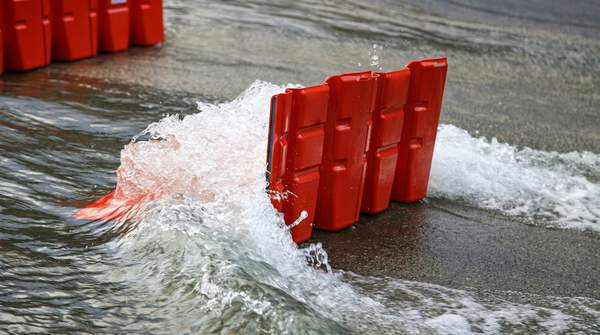
When flooding threatens, there is little time to waste. For homeowners and businesses in flood-prone areas, effective protection needs to be quick to deploy, easy to handle, and designed to perform when rising water becomes a threat. FloodClip provides a practical flood barrier solution built around these needs.
Understanding how the FloodClip system works is key to seeing how it can protect a property from rising water. From preparing the area to connecting the modular sections and activating its self-anchoring design, each part of the system is designed for a fast and straightforward response.
The Rise of Rapid-Response Property Flood Protection
The increasing frequency of extreme weather events has shifted attention from reactive clean-up towards proactive flood protection. As government agencies provide guidance for property owners, flood mitigation measures are becoming an increasingly important part of preparedness. For homeowners and businesses in high-risk areas, choosing an effective flood barrier can provide an important layer of protection.
Insurance companies are also increasingly encouraging or mandating mitigation measures to help reduce potential claim costs. This has increased demand for flood protection systems that can be deployed quickly without specialised training or equipment. Modern solutions such as FloodClip are designed to address this need, providing a practical approach to rapid-response flood defence.
How FloodClip Uses Floodwater Weight for Self-Anchoring Stability
At the heart of the FloodClip system is an approach that uses floodwater itself to strengthen the barrier. The system is designed for speed and simplicity, allowing property owners to respond quickly when a flood alert is issued. Here is how the system works:
Step 1: Identify and Prepare the Area
Before a flood event, the first step is to identify the vulnerable areas around your property. These typically include doorways, garage entrances, and low-lying perimeters.
FloodClip is specifically engineered for use on hard, even surfaces such as concrete, tarmac, or paving. Keeping the deployment area clear of debris is important for creating the most effective seal. A quick sweep of the surface is all that is needed to prepare the area for the barrier.