97% of safety equipment manufacturers report higher costs for materials and components, directly impacting the availability of essential gear for tradespeople. Higher costs for materials and components challenge employers' ability to provide adequate job site protection. Inadequate risk management, including incorrect PPE use, significantly increases accident risk, according to PMC.
Employers are legally obligated to provide essential personal protective equipment to safeguard workers. However, escalating costs and supply chain delays make this provision increasingly difficult. The conflict between financial viability and compliance mandates, driven by escalating costs and supply chain delays, threatens worker safety, likely compromising jobsite safety without proactive measures and renewed commitment from all stakeholders.
Employer's Mandate: Provision and Training
Employers must provide personal protective equipment and ensure its proper use when engineering, work practice, and administrative controls are not feasible or sufficient, states OSHA. Effective jobsite safety requires proactive employer commitment to provision and thorough training. Failure to uphold this mandate not only risks worker injury but also exposes employers to significant legal and financial penalties.
1. Safety Glasses
Best for: All tradespeople requiring eye protection from impacts, dust, and chemical splashes.
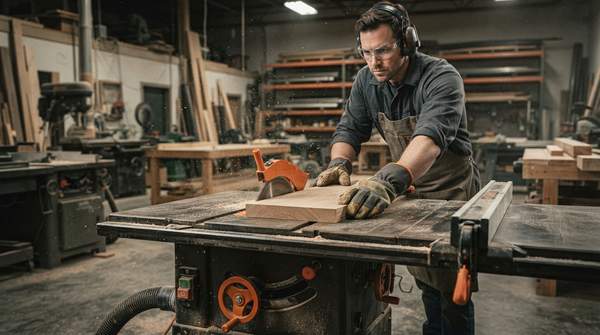
Safety glasses are essential for protecting eyes from various jobsite hazards. They must meet at least an American National Standards Institute (ANSI) Z87.1+ rating or European Standards EN 166-1F rating. Most safety glasses are made from polycarbonate, a durable and impact-resistant material.
Strengths: Impact protection; Lightweight design | Limitations: May fog; Limited peripheral seal | Price: Varies by model and features
2. Hard Hats
Best for: Construction workers, electricians, and anyone exposed to falling objects or head impacts.
Hard hats provide critical protection against falling debris and head impacts. They typically have a lifespan of 3–5 years from the manufacturer date, with suspension systems requiring replacement every 1–2 years to maintain effectiveness. Regular inspection is necessary to identify cracks or damage.
Strengths: Head impact protection; Electrical hazard protection | Limitations: Limited side impact protection; Requires regular inspection | Price: Varies by type and features
3. Safety Footwear
Best for: Tradespeople needing protection against punctures, impacts, electrical hazards, and slips.
Safety footwear, often featuring steel or composite toes, is crucial for protecting feet from heavy objects and sharp materials. This essential PPE typically lasts 6–12 months, depending on wear and jobsite conditions. Employers must ensure footwear meets specific safety standards relevant to the hazards present.
Strengths: Puncture and impact resistance; Slip resistance | Limitations: Can be heavy; May require break-in period | Price: Varies by type and certifications
4. Hearing Protection (Earplugs/Earmuffs)
Best for: Workers in noisy environments such as construction sites, factories, or around heavy machinery.
Hearing protection is vital for preventing noise-induced hearing loss. Disposable earplugs should be replaced after each use, while reusable earplugs need replacement if they become hardened, dirt-streaked, or lose elasticity. Earmuffs require annual replacement of ear cushions or when the seal degrades to maintain their protective qualities.
Strengths: Reduces noise exposure; Available in various forms | Limitations: Can interfere with communication; May cause discomfort with prolonged use | Price: Low for disposables; Moderate for reusable/muffs
5. Gloves
Best for: Tradespeople needing hand protection from cuts, abrasions, chemicals, and extreme temperatures.
Gloves are a fundamental component of hand safety, protecting against a range of hazards. OSHA mandates that employers provide appropriate gloves for tasks involving chemical exposure, cuts, abrasions, punctures, and thermal risks. Selecting the correct glove type, such as leather, coated fabric, or chemical-resistant, is essential for adequate protection.
Strengths: Protects hands from various hazards; Improves grip | Limitations: Can reduce dexterity; Requires specific selection for hazards | Price: Varies by material and protection level
6. Respirators
Best for: Workers exposed to harmful dust, fumes, mists, gases, or vapors.
Respirators are critical for protecting the respiratory system from airborne contaminants. Employers must ensure workers are medically cleared, fit-tested, and trained on the proper use and maintenance of respirators. This PPE is a last line of defense when engineering controls cannot adequately reduce exposure to hazardous airborne particles or gases.
Strengths: Filters harmful airborne particles; Protects against toxic gases | Limitations: Requires proper fit-testing; Can restrict breathing | Price: Varies by type and filtration level
7. High-Visibility Vests
Best for: Workers in areas with vehicle traffic, heavy equipment, or low light conditions.
High-visibility vests enhance worker visibility, reducing the risk of accidents involving moving vehicles or equipment. OSHA recognizes high-visibility apparel as essential PPE for workers on roadways and in other high-traffic areas. These vests typically feature fluorescent materials and reflective strips to ensure maximum conspicuity.
Strengths: Increases worker visibility; Reduces collision risk | Limitations: Does not protect against impacts; May degrade with wear | Price: Low to moderate
8. Protective Coveralls/Full Body Suits
Best for: Tradespeople requiring full-body protection from chemicals, splashes, dust, or biological agents.
Protective coveralls and full body suits offer comprehensive protection for the entire body against environmental hazards. These suits are crucial in industries such as painting, hazardous material handling, and certain manufacturing processes. The specific material and design of the coverall depend on the type of hazard it is designed to mitigate.
Strengths: Full body protection; Barrier against contaminants | Limitations: Can be hot and restrictive; May require specialized disposal | Price: Varies by material and protection level
Shared Responsibility: Worker Duties and Regulatory Standards
| Aspect | Worker Duties | Regulatory Standards |
|---|---|---|
| Role | Active participation in safety protocols | Mandatory equipment quality and usage guidelines |
| Requirements | Wearing and using required PPE; Reporting missing or defective PPE | Equipment must meet or be equivalent to ANSI standards (OSHA) |
| Accountability | Individual worker responsibility for compliance | Employer responsibility for provision and enforcement |
| Goal | Personal safety and contribution to a safe environment | Ensuring equipment effectiveness and legal compliance |
A robust safety culture demands both worker accountability and adherence to national standards. Workers must wear or use required PPE and report missing or defective gear, according to IHSA. OSHA mandates that many categories of personal protective equipment meet or be equivalent to standards developed by the American National Standards Institute (ANSI). The dual responsibility of workers wearing and reporting PPE and employers ensuring equipment meets ANSI standards ensures equipment quality and compliance, yet its breakdown leaves workers vulnerable despite available gear.
Economic Headwinds: Impact on PPE Development
Tariffs have already delayed product development or launch plans for 60% of ISEA members. Tariffs, which have already delayed product development or launch plans for 60% of ISEA members, directly stifle future safety innovations and workforce growth within the safety equipment industry. Workers may be stuck with older, less effective gear longer, even as new safety solutions are needed to meet evolving jobsite risks. Economic pressures on manufacturers make meeting or innovating upon standards like OSHA and ANSI increasingly difficult.
Frequently Asked Questions About PPE
What are the limitations of personal protective equipment?
According to IHSA, PPE reduces the risk of hazards but does not eliminate them entirely. It serves as a crucial barrier between a worker and a hazard, but it is a last line of defense. Engineering controls, such as ventilation systems, or administrative controls, like safe work procedures, are generally preferred as they remove or reduce the hazard itself.