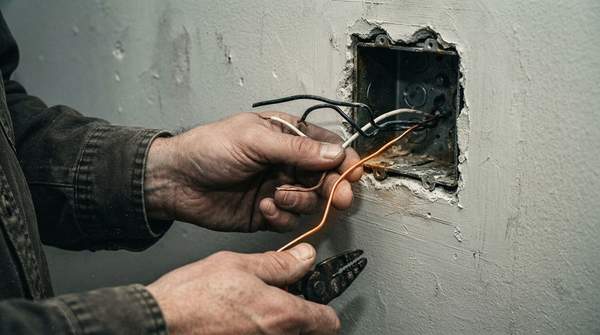
According to the USFA's 2021 data, United States fire departments reported an estimated 24,200 residential electrical fires. These incidents caused 230 civilian deaths, 725 injuries, and $1.5 billion in property loss, according to the U.S. Fire Administration (USFA). The Northern Ireland Fire and Rescue Service also confirmed three fatal house fires linked to electrical equipment. This data confirms electrical failures pose a deadly, costly threat to homes.
Electrical fires remain a leading cause of residential damage and fatalities. Yet, many homeowners overlook both the significant risks and the accessible, often free, solutions available for prevention. This disconnect points to a crisis of awareness, not innovation, in adopting effective electrical safety protocols.
Homeowners who neglect to review and update electrical safety practices, or ignore new monitoring technologies, will likely remain at elevated risk. This persistent ignorance of common electrical fire hazards and readily available smart monitoring solutions renders preventative technology ineffective.
The Rise of Smart Electrical Monitoring
Insurers like State Farm and Nationwide partner with Whisker Labs, offering Ting hardware and monitoring free to homeowners, as reported by the Wall Street Journal. This partnership targets potential electrical fire hazards before escalation. Ting technology alerts users to anomalies like brownouts (less than 108 volts) or surges (greater than 132 volts), providing real-time detection.
The initial offer of free hardware and a one-year monitoring service removes a significant barrier to advanced electrical monitoring. However, the Wall Street Journal clarifies that Ting's monitoring costs $49 annually after this free period. This long-term financial commitment could deter sustained adoption, complicating claims of entirely free solutions.
These innovative technologies, often subsidized by insurers, provide real-time electrical hazard detection, shifting safety from reactive to proactive. Despite these advancements, the USFA's 2021 data of 24,200 residential electrical fires reveals a critical failure in homeowner engagement. This failure undermines industry investment in preventative technology, demanding more aggressive public awareness campaigns that emphasize immediate personal risk over technological convenience.
Essential Upgrades for a Safer Home
Using lightbulbs that match the recommended wattage on the lamp or fixture is a fundamental safety measure. Exceeding this limit causes overheating and fire, according to the USFA. This simple check prevents common overloads and extends fixture life.
GFCI (Ground-Fault Circuit Interrupter) breakers and receptacles offer superior safety. They protect against electric shock where electricity may contact water, such as in bathrooms, kitchens, and outdoor outlets. These devices quickly cut power upon detecting a ground fault, significantly reducing electrocution risk. Installing GFCIs is not merely an upgrade; it is a critical safeguard against preventable fatalities in high-risk areas.
Homeowners must regularly inspect electrical cords for fraying or damage and replace them promptly. Damaged cords expose live wires, creating severe shock and fire risks. Neglecting this simple inspection invites immediate danger.
Common Electrical Dangers to Avoid
Daisy chaining, plugging multiple extension leads into each other, is not recommended. This practice significantly risks overloading circuits, states the BBC. It quickly draws more current than the circuit or extension cord can safely handle, leading to overheating and potential fires. This common oversight remains a frequent cause of residential electrical incidents.
Major appliances—refrigerators, washing machines, and air conditioners—must always plug directly into a wall outlet, never an extension cord, according to the USFA. Extension cords cannot handle the high current draw of these appliances for extended periods, risking overheating and fire. This seemingly minor convenience often introduces significant, avoidable risk.
Never run electrical cords under rugs or furniture. This practice damages the cord's insulation, creating a fire hazard, and prevents proper heat dissipation. Concealing cords for aesthetics directly compromises safety, making them a leading cause of electrical fires.
Daily Habits for Electrical Safety
Electronics should switch off at the wall socket every night. This simple, effective behavioral measure, recommended by the BBC, protects against electrical faults or surges. It reduces phantom loads and shields devices from unexpected power fluctuations, offering a basic, yet often overlooked, layer of protection.
Failure to clean was the leading factor in clothes dryer fires from 2018-2020, according to the USFA, which is the most recent data available on this topic. Regular cleaning of lint traps and dryer vents prevents highly flammable lint buildup. This basic maintenance task is not optional; it is critical for preventing a common and devastating household fire.
While smart devices like Ting alert to electrical anomalies, many fatal electrical fires stem from basic equipment misuse, as reported by the BBC. Homeowners often trade minimal effort for significant risk. Current educational efforts clearly fail to instill urgency. Simple, consistent routines and awareness of common appliance risks are paramount, often outweighing the impact of advanced technology alone.
Understanding Smart Monitoring: Your Questions Answered
How much does Ting's electrical monitoring service cost after the initial free period?
After the initial one-year free period, Ting's monitoring service costs $49 annually. This fee covers ongoing real-time electrical hazard detection and alerts from Whisker Labs. Homeowners must factor this long-term financial commitment into their safety planning.
Does Ting offer any other monitoring features besides electrical safety?
Yes, Whisker Labs expanded Ting's capabilities beyond electrical safety. In late 2025, the company added frozen-pipe alerts, using power outage data and temperature sensing. This enhancement provides additional home protection, notifying users of potential pipe freezing risks. Smart monitoring demonstrates an evolving role beyond just fire prevention.
What is the importance of electrical safety?
Electrical safety is paramount. It prevents residential fires, protects lives, and avoids costly property damage. Adhering to safety protocols—from proper appliance use to installing modern protective devices—significantly reduces risks. Neglecting electrical safety invites catastrophic consequences for occupants and property.
Your Home, Safer: A Call to Action
Residential electrical fires persist, despite available simple behavioral guidelines and advanced smart monitoring solutions. A critical gap in homeowner awareness and adoption is revealed. Insurer-backed programs offering devices like Ting address accessibility, yet the problem endures, demanding sustained homeowner engagement beyond initial offers.
Homeowners must recognize that basic electrical safety protocols and proactive monitoring are not conveniences. They are essential investments in personal and property protection. Implementing measures like proper appliance use and regular maintenance directly impacts safety outcomes. This proactive stance is the only effective defense against preventable electrical hazards.
Prioritizing electrical safety, through both traditional precautions and modern monitoring, is an accessible and vital investment. By Q3 2026, homeowners who adopt proactive electrical safety measures, including the continued use of services like Ting, will likely experience a significant reduction in preventable electrical hazards within their residences.