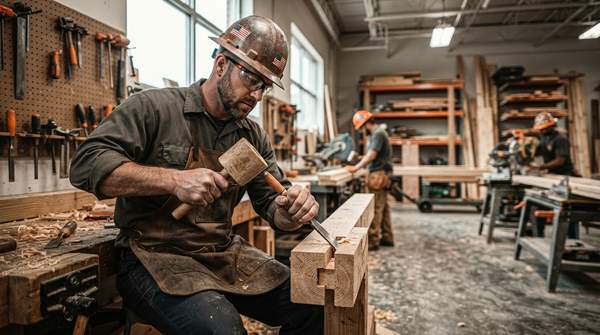
In response to tariffs, 60% of International Safety Equipment Association (ISEA) members have already delayed product development or launch plans, directly impacting the availability of essential types of personal protective equipment for skilled trades in 2024, according to Safetyequipment. This significant delay means fewer advanced safety solutions reach the market, potentially leaving workers with outdated gear.
Employers are legally mandated to provide compliant PPE and extensive training, but significant economic pressures, such as these tariffs, are forcing delays in product development and hiring within the safety equipment industry. An additional 40% of ISEA members have delayed hiring plans, further weakening the industry's capacity to innovate and support workplace safety.
Without proactive strategies to mitigate these economic pressures, companies risk compromising worker safety and regulatory compliance, potentially leading to increased workplace hazards and legal repercussions. The current tariff regime is not just an economic burden; it's a silent threat to worker safety, actively eroding the availability of essential, compliant personal protective equipment and setting the stage for preventable workplace incidents.
Defining Personal Protective Equipment and Its Purpose
Personal protective equipment (PPE) encompasses a range of specialized gear designed to protect workers from workplace hazards. This includes items such as gloves, safety glasses, hard hats, and respirators, according to Procore. These items serve as a critical last line of defense when engineering controls and work practice changes cannot fully eliminate risks.
All PPE must meet or be equivalent to standards developed by the American National Standards Institute (ANSI) to ensure effectiveness and reliability. The Occupational Safety and Health Administration (OSHA) requires employers to ensure workers wear appropriate PPE when exposed to hazardous conditions or when specific standards mandate it. The effectiveness of PPE hinges on meeting rigorous ANSI standards and its appropriate application for specific hazardous conditions.
The Employer's Mandate: Provision and Comprehensive Training
Beyond simply providing the equipment, employers must train workers on when personal protective equipment is necessary. This training also covers the specific type of PPE required, how to wear and adjust it properly, and an understanding of its limitations, according to Procore. Such instruction ensures that workers can effectively utilize their safety gear.
Employers are also required to train workers on the proper care, maintenance, useful life, and disposal of their PPE. This comprehensive training ensures that the equipment remains effective throughout its lifespan and that workers understand their responsibilities. Effective PPE is not merely about provision; it demands comprehensive and ongoing worker training to ensure proper usage, maintenance, and understanding of its limitations, thereby maximizing safety.
Navigating Supply Chain Challenges
As economic factors continue to impact the personal protective equipment supply chain, employers face increasing difficulties in procuring compliant gear. The delays in product development reported by ISEA members directly reduce the availability of new and improved safety solutions. This situation creates a growing disconnect where the legally mandated supply of compliant PPE is being actively undermined by economic policy, making compliance increasingly difficult for employers.
Companies are currently facing a no-win scenario: either absorb prohibitive costs for compliant PPE or risk OSHA penalties and worker injury due to a supply chain crippled by tariffs. Employers must develop resilient procurement strategies to ensure a consistent supply of compliant equipment. This may involve diversifying suppliers or exploring domestic manufacturing options, though these too can present cost challenges.
The Unseen Costs of Non-Compliance
Failing to meet personal protective equipment standards and training mandates not only endangers worker lives but also exposes employers to significant legal, financial, and reputational risks. A single workplace injury due to inadequate PPE can lead to hefty fines from regulatory bodies and costly worker's compensation claims. These incidents can also damage a company's reputation, affecting recruitment and client trust.
The ISEA data on delayed product development and hiring reveals a systemic failure in the PPE supply chain. Workplace safety standards will decline unless these economic pressures are urgently addressed. The long-term erosion of compliant PPE availability directly compromises worker safety, setting the stage for preventable incidents that carry severe human and economic costs.
Frequently Asked Questions About PPE
What are the different categories of PPE?
Personal protective equipment generally falls into categories based on the body part protected, such as head protection (hard hats), eye and face protection (safety glasses, face shields), hand protection (gloves), foot protection (safety boots), and respiratory protection (respirators). Each category addresses specific hazards, from falling objects to chemical splashes, ensuring comprehensive coverage for various workplace risks.
What PPE is required for electricians?
Electricians require specialized personal protective equipment to guard against electrical hazards, including arc-flash protection. This often includes flame-resistant (FR) clothing, rubber insulating gloves with leather protectors, dielectric footwear, and arc-rated face shields or hoods. Specific requirements depend on voltage levels and tasks performed, as outlined in NFPA 70E standards.
What is the importance of PPE for tradespeople?
The importance of personal protective equipment for tradespeople lies in its role as a crucial barrier against workplace hazards that cannot be eliminated through other controls. It prevents injuries, illnesses, and fatalities by shielding workers from physical, electrical, chemical, and biological threats. Proper PPE use reduces the severity of accidents and helps maintain a safe working environment, upholding regulatory compliance and worker well-being.
Prioritizing Safety in a Challenging Landscape
To counter the economic strain from tariffs, companies must proactively secure their PPE supply. This involves exploring long-term contracts with diverse suppliers and investing in robust, on-site safety training programs. Such strategies are critical to maintain compliance and protect workers amidst evolving market pressures.
The current trajectory suggests a long-term erosion of the safety equipment industry's support infrastructure due to delayed product development and hiring freezes. By Q4 2026, many employers will likely need to fundamentally reassess their entire PPE procurement strategy to ensure continuous worker protection and regulatory adherence.