How to Select and Use PPE in Trade Environments Safely

A survey of construction workers revealed a critical safety gap: nearly half reported not using personal protective equipment (PPE) on the job, despite clear risks.

BF
Ben Foster

April 19, 2026 · 4 min read

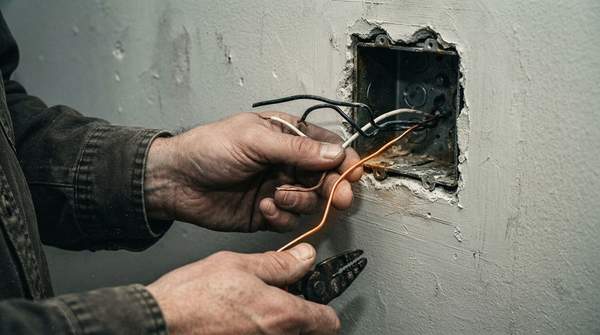
Diverse construction workers safely using personal protective equipment (PPE) in a busy, professional trade environment, highlighting a commitment to safety.

A survey of construction workers revealed a critical safety gap: nearly half reported not using personal protective equipment (PPE) on the job, despite clear risks. Only 60% of surveyed workers consistently used PPE, according to PMC. This exposes trade professionals to preventable injuries and long-term health hazards.

Employers are legally mandated to provide PPE and ensure its proper use. Yet, a significant percentage of workers forgo critical safety gear, citing discomfort and insufficient knowledge. This disconnect creates a direct tension between regulatory compliance and actual workplace safety.

Many trade environments operate with preventable safety gaps. This increases worker injury risk and potential regulatory penalties for employers failing to implement adequate PPE programs. This analysis will address these failures and detail steps for effective PPE selection and use in 2026.

The Employer's Mandate: Why PPE is Non-Negotiable

Employers must provide personal protective equipment (PPE) when engineering, work practice, and administrative controls fail to offer sufficient protection, as mandated by OSHA. This establishes a non-negotiable baseline for workplace safety.

OSHA law further requires employers to provide properly fitting, effective PPE at no cost to workers, a point echoed by Creative Safety Supply. All PPE must be safely designed and constructed for its intended use. The persistent worker non-compliance, often due to discomfort and poor fit, indicates that many employers meet the letter of the law without achieving its spirit. This exposes companies to significant liability and their workforce to avoidable injury. Merely providing equipment without ensuring its usability is a critical failure in safety implementation.

From Assessment to Application: A Step-by-Step Guide to PPE Programs

Effective PPE selection requires a thorough hazard risk assessment. Equipment choice must directly align with identified exposure risks, according to the CDC. This ensures the chosen gear provides appropriate protection for the specific work environment.

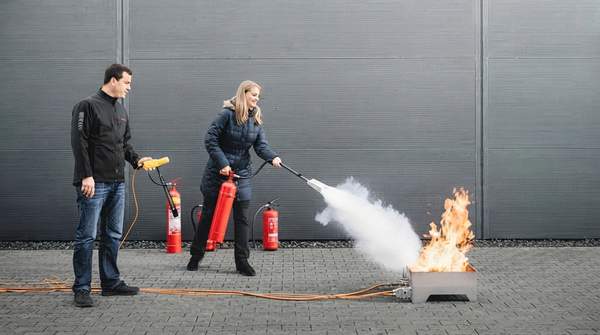
Most PPE categories must meet or exceed American National Standards Institute (ANSI) standards. Post-selection, employers must train employees on correct PPE use and care, a requirement from Creative Safety Supply. This structured approach ensures PPE is both hazard-appropriate and that workers can use it effectively. Failure to integrate robust training with compliant equipment renders the entire program vulnerable to failure, regardless of initial investment.

Why PPE Programs Fail: Common Barriers to Worker Adoption

Worker non-compliance with PPE persists despite clear mandates. A PMC study of construction workers identified discomfort, lack of knowledge, and poor fit as primary reasons for non-use. These issues directly contradict employers' legal obligations to provide properly fitting equipment and comprehensive training.

The PMC study, involving 384 workers in Port-Said, Egypt, reveals universal human factors in safety compliance. Even with robust legal frameworks, poor fit and inadequate training can drive non-compliance. This suggests that current enforcement mechanisms are insufficient, creating a significant gap between legal requirements and practical, effective implementation. Employers must move beyond mere provision to address these fundamental human barriers for PPE programs to succeed in 2026.

Specifics Matter: Navigating Key PPE Requirements

Regulatory requirements dictate specific PPE types for various hazards. For example, employees facing head injury risks must wear head protection, classified by impact (Type I, II) and electrical risk (Class G, E, C), per the OSHA Education Center. This level of detail demands precise equipment selection.

Similarly, hearing protection is mandatory when noise exceeds 85 dBA. Fall protection requires personal fall arrest systems (PFAS) lifelines secured above the operation point to an anchorage supporting a minimum 5,400 pounds. Adhering to these precise standards is critical for effective PPE use. Misinterpreting or neglecting these specifics can render safety measures ineffective, turning compliance into a false sense of security.

Your PPE Questions Answered

What are the most important types of PPE for trades?

Critical PPE varies by trade. Generally, it includes head protection (hard hats), eye and face protection (safety glasses, face shields), hearing protection (earplugs, earmuffs), hand protection (gloves), foot protection (safety boots), and fall protection (harnesses). Respiratory protection and high-visibility clothing are also essential in many settings. For instance, a welder needs specialized eye/face protection and flame-resistant clothing, while a carpenter requires impact-resistant gloves and steel-toed boots.

How do you choose the right PPE for a specific trade?

Selecting appropriate PPE begins with a comprehensive workplace hazard assessment. This identifies all potential risks: falling objects, chemical splashes, excessive noise, or electrical hazards. Employers then choose PPE that specifically mitigates these risks, ensuring it meets relevant ANSI standards and fits the worker. Elevated construction work demands fall arrest systems; a painting job requires respiratory masks and eye protection.

What are the legal requirements for PPE in trade jobs?

OSHA mandates employers provide suitable PPE at no cost. This includes maintaining equipment, ensuring proper fit, and delivering comprehensive training on its use, limitations, and care. Employers must document hazard assessments and employee training. For example, OSHA standard 1910.134 requires a written Respiratory Protection Program where respirators are necessary.

Beyond Compliance: Cultivating a Culture of Safety

If employers fail to move beyond minimal compliance and genuinely address worker concerns regarding PPE fit, comfort, and training, trade environments will likely continue to experience preventable injuries and increased regulatory penalties in the coming years.