Falls from height, often involving dropped tools, accounted for 395 fatalities in the US, according to OSHA Data from 2022. These incidents represent a critical, preventable danger in trade professions, with each fatality a profound loss for families and communities.
Despite this reality, the global tool tethering market, valued at $350 million in 2023, is projected to reach $1.2 billion by 2035, according to Market Research Report 2024. This 11.5% CAGR from 2024 to 2035, according to Industry Analysis Group, confirms a growing demand for safety solutions. However, widespread adoption is hindered by user resistance and perceived costs among many businesses, creating a disconnect between market potential and implementation. This market growth is largely regulatory-driven, not a genuine shift in safety culture. Companies failing to invest in tool tethering will likely face increasing regulatory scrutiny and significant financial penalties, while early adopters gain a competitive edge in safety and operational efficiency.
The Rising Cost of Dropped Objects
A single dropped tool from 200 feet can strike with the force of 1,100 pounds per square inch, according to Safety Engineering Journal, causing severe injury, death, or significant property damage. The average incident costs over $50,000, including lost time, damage, and litigation, according to Workplace Safety Institute data from before 2025, according to Workplace Safety Institute. The force of 1,100 pounds per square inch and average incident costs over $50,000 highlight the severe human and financial consequences of dropped objects.
New mandatory safety regulations in the EU and North America, effective 2025, now require tethering for tools used at height above 6 feet, according to Regulatory Affairs Commission. These mandates aim to mitigate risks and protect workers. Companies with robust dropped object prevention programs, including tool tethering, can also see insurance premiums drop by up to 15%, according to Commercial Insurance Providers. This combination of regulatory pressure and financial incentive makes adopting tethering solutions an undeniable business imperative.
Innovation and Industry Adoption
The construction industry will hold the largest market share in tool tethering, driven by large-scale infrastructure projects and their inherent height risks, according to Global Construction Outlook data from before 2025. Manufacturing and oil & gas sectors also contribute significantly, adopting tethering for maintenance and operational safety, according to Industrial Safety Review data from before 2025. The widespread adoption of tool tethering across diverse heavy industries underscores the universal applicability and necessity of these safety measures.
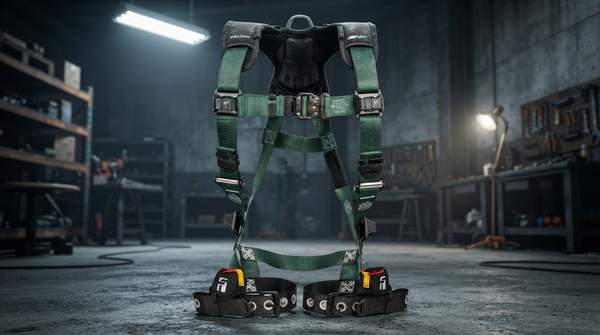
Companies like 3M, Ergodyne (Tenacious Tools), and MSA Safety lead innovation in tethering solutions, according to Company Financial Reports data from before 2025. Their advancements include retractable tethers with smart sensors for tool tracking and usage monitoring, according to Tech Safety Solutions data from before 2025, according to Tech Safety Solutions. Retractable tethers with smart sensors for tool tracking and usage monitoring enhance both safety and operational efficiency, making tethering solutions more integrated and effective in modern industrial practices.
Overcoming Adoption Hurdles
Despite clear safety benefits, adoption rates among small and medium-sized enterprises (SMEs) remain below 40% due to perceived cost and complexity, according to SME Safety Survey 2023 data. The low adoption rate, coupled with persistent worker resistance citing discomfort or inconvenience, according to Worker Behavior Study data from before 2025, represents a significant barrier to widespread safety improvement.
Implementing a comprehensive tool tethering program for a medium-sized construction site costs $5,000 to $20,000 annually, according to Safety Solutions Provider data from before 2025. This perceived financial burden often outweighs long-term benefits for some businesses. The short-sightedness, prioritizing immediate budget over human lives and long-term liability, persists even as 395 US fatalities occurred in 2022 due to dropped objects, according to OSHA Data. Overcoming the inertia of perceived cost and user discomfort remains a critical barrier to universal safety standards.
The Future of Workplace Safety
Asia-Pacific will exhibit the highest Compound Annual Growth Rate (CAGR) in the tool tethering market, according to market analysis from before 2025, market, driven by rapid industrialization and increasing safety awareness, according to APAC Market Insights. The regional growth in Asia-Pacific confirms a global shift towards enhanced safety protocols. Further integration of IoT and AI into tethering systems will provide predictive maintenance and real-time alerts, according to industry forecasts from before 2025, according to Future Tech Report, making safety systems more proactive.
Government subsidies and tax incentives for safety equipment purchases are being considered in several regions, according to policy analyses from before 2025, in several developed nations to boost adoption, according to Economic Policy Review. Government subsidies and tax incentives could significantly reduce the financial barrier for businesses. The future of tool tethering will likely involve greater global harmonization of standards, advanced technological integration, and supportive government policies, making safety systems more intelligent and ubiquitous.
Your Questions Answered
What material advancements are improving tool tethering systems?
Lighter, more durable materials like advanced composites improve the comfort and longevity of tethers, according to materials science research from before 2025ing systems, according to Materials Science Journal. These innovations address worker discomfort, a historical barrier, by making equipment less cumbersome and more resilient.
How are training programs influencing tool tethering adoption?
Training programs for proper tool tethering usage are becoming standard in many large construction and industrial settings, according to industry best practices from before 2025, and industrial firms, according to Corporate Safety Manuals. These programs educate workers on correct application and benefits, directly addressing user resistance by fostering understanding and competence.
Beyond injury prevention, what other benefits does tool tethering offer?
While preventing injuries and fatalities from dropped objects is the primary benefit, tool tethering also offers secondary advantages, according to safety studies from before 2025, also significantly reduces equipment damage, according to Safety Best Practices Guide. This prevents costly repairs and replacements, contributing to operational efficiency and reducing financial losses.