Welding arc temperatures can reach a scorching 10,000 degrees Fahrenheit, a heat so intense it can instantly vaporize metal and cause severe, irreversible eye damage to unprotected workers. Welding arc temperatures, reaching a scorching 10,000 degrees Fahrenheit, present an immediate and profound threat, demanding comprehensive personal protective equipment for welding and metal fabrication safety in 2026.
However, welding environments present extreme, immediate, and long-term dangers, but a significant number of professionals still underestimate the necessity of consistent and proper personal protective equipment (PPE) use. The disconnect between objective risk and subjective perception, stemming from professionals underestimating consistent and proper PPE use, fuels preventable harm.
Without a renewed emphasis on comprehensive PPE education and strict adherence, the industry will continue to see a high incidence of preventable injuries and occupational diseases among its skilled workforce.
Understanding the Shield: What is PPE for Welding?
Personal protective equipment (PPE) for welding and metal fabrication encompasses specialized gear designed to shield workers from the severe hazards inherent in these processes. The specialized gear of personal protective equipment creates a critical barrier, protecting against intense heat, harmful light radiation, toxic fumes, and physical impacts. The primary goal of PPE is to mitigate direct exposure to dangerous elements encountered daily on the job site.
A welder's PPE typically includes a welding helmet, flame-resistant clothing, gloves, safety glasses, and respiratory protection. Each component serves a distinct purpose, from filtering out ultraviolet and infrared light to preventing skin burns. The integrated approach of each component serving a distinct purpose ensures that welders are safeguarded from both immediate acute injuries and insidious long-term health issues.
Beyond the Basics: Specialized Gear for Specific Risks
Choosing the right welding helmet is paramount for eye and face protection, specifically against the intense arc light and flying debris. Modern helmets often feature auto-darkening lenses that adjust to light intensity within milliseconds, providing continuous protection without requiring the welder to lift the shield, according to welding safety faqs - personal protective equipment. Beyond helmets, flame-resistant jackets, pants, and aprons made from materials like treated cotton or leather are essential to protect against sparks, slag, and radiant heat.
Specialized gloves, typically made of leather, protect hands from heat, sparks, and electrical shock while maintaining dexterity. Additionally, safety footwear, often steel-toed boots, shields feet from falling objects and electrical hazards. The targeted selection of equipment, including specialized gloves and safety footwear, from head to toe, is crucial because different welding tasks and environments present varying risk profiles, necessitating specific protective measures to ensure comprehensive safety.
The High Cost of Neglect: Why PPE is Non-Negotiable
Overexposure to welding fumes and gases can lead to serious health problems such as impaired speech and movement, respiratory illness, and cancer, according to 11 welding safety tips and guidelines for the workplace. These insidious, long-term threats often develop silently, making consistent respiratory and full-body protection paramount, not merely optional. The sheer intensity of welding arc temperatures, reaching 10,000 degrees Fahrenheit, means that any compromise on personal protective equipment isn't a minor oversight but a direct gamble with a worker's vision and physical integrity, a risk no responsible employer should tolerate.
Companies that fail to rigorously enforce specialized PPE protocols are not just risking immediate physical injury but are tacitly endorsing a future of chronic, irreversible health degradation for their welders. The array of severe, often irreversible, health and physical damages confirms that PPE is a fundamental requirement for welder safety and longevity, not an option. The critical and dangerous disconnect between the objective, scientifically established severity of welding risks and the subjective risk perception among many welders, often due to companies failing to enforce PPE protocols, directly leads to preventable, irreversible harm.
Your Welding Safety Questions Answered
What are the essential PPE for welding?
Essential personal protective equipment for welding typically includes a welding helmet with appropriate shade lenses, flame-resistant clothing (jackets, pants, aprons), heavy-duty welding gloves, safety glasses worn under the helmet, and respiratory protection like respirators or fume extractors, especially in confined spaces.
What safety gear is needed for metal fabrication?
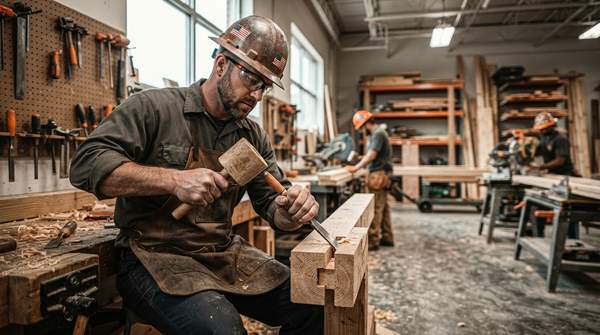
Metal fabrication often requires similar PPE to welding, but with additional considerations for cutting, grinding, and handling heavy materials. This includes hard hats for overhead hazards, hearing protection for noisy operations, and specialized footwear with metatarsal guards for protection against impact and crushing injuries.
How to choose the right welding helmet?
Choosing the right welding helmet involves considering the type of welding process, the amperage used, and the specific shade requirements for the lens, which typically range from shade 9 to 13 for most arc welding. Look for helmets that meet ANSI Z87.1 standards for impact resistance and optical clarity, and consider auto-darkening features for convenience and continuous protection.
Safety First: A Commitment to Protection
The industry faces a critical juncture: will the persistent underestimation of PPE necessity continue to fuel preventable injuries and long-term occupational diseases, or will a renewed commitment to safety education and enforcement finally bridge the dangerous gap between objective risk and worker perception? The stakes are high, impacting not only individual welders but also the long-term viability and reputation of the entire metal fabrication sector.
By 2026, the effectiveness of innovative PPE solutions championed by leaders like Lincoln Electric will be measured not just by technological advancement, but by a demonstrable reduction in workplace incidents and a fundamental shift in safety culture, proving that comprehensive protection is both achievable and non-negotiable for every welder.