Smart Home Devices for Tradespeople in 2026

A plumbing contractor recently saved 3 hours on a complex leak detection job by deploying a smart water sensor that cost less than a single service call, preventing thousands in potential structural d

KB
Kyle Brenner

April 21, 2026 · 5 min read

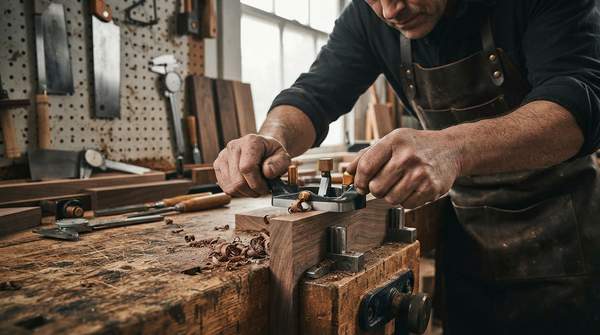
A tradesperson using a smart home device to efficiently diagnose a problem, showcasing the integration of technology in professional trades.

A plumbing contractor recently saved 3 hours on a complex leak detection job by deploying a smart water sensor that cost less than a single service call, preventing thousands in potential structural damage. This small device, typically marketed for home security, quickly pinpointed the source, avoiding extensive demolition and costly repairs. This single event proves the unexpected professional utility of consumer-grade smart devices, making them a competitive necessity for savvy tradespeople.

Smart home devices are widely perceived as consumer luxuries, but they offer professional-grade efficiency, precision, and safety benefits for tradespeople and DIYers. This perception gap often prevents professionals from adopting tools that could enhance their operations and provide superior diagnostic capabilities.

Based on the increasing availability of rugged, integrated smart solutions, companies and individuals who embrace these technologies will likely gain a significant competitive advantage, while those who dismiss them risk falling behind in productivity and project quality.

The global smart home market is projected to reach $138.9 billion by 2028, with a rapidly growing segment focused on utility and professional applications, according to Statista. This expansion creates a clear opportunity for professionals to leverage smart technology beyond basic home automation. In fact, 65% of tradespeople surveyed reported a strong interest in technology that demonstrably improves job site efficiency and safety, as reported by ProBuilder Magazine. This strong interest, combined with market growth, suggests a readiness within the trades to adopt tools that directly impact their bottom line and safety protocols.

Early adopters of smart tools in construction and repair report up to a 20% reduction in project time for specific tasks like diagnostics and monitoring, according to Construction Tech Review. An efficiency gain of up to 20% in project time for specific tasks like diagnostics and monitoring represents a fundamental shift in operational capabilities. As the market moves toward utility applications, smart home devices are proving themselves not as mere conveniences, but as essential tools for tradespeople focused on tangible efficiency gains.

The Smart Toolkit: Devices That Deliver Professional Value

Specific smart home devices offer tangible, practical benefits to tradespeople and DIYers, proving their utility in real-world scenarios. For instance, smart leak detectors can pinpoint water damage sources within minutes, preventing costly structural repairs and extensive cleanup, according to Plumbing Today.
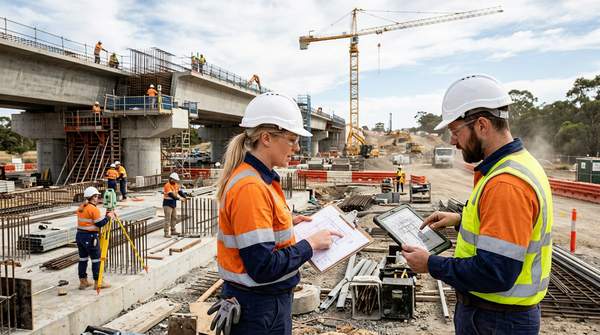
Wi-Fi enabled security cameras with two-way audio allow remote site monitoring, deter theft, and improve communication with team members or clients, states Security Pro. These cameras provide a virtual 'spotter' in hazardous situations, enhancing safety and reducing labor costs.

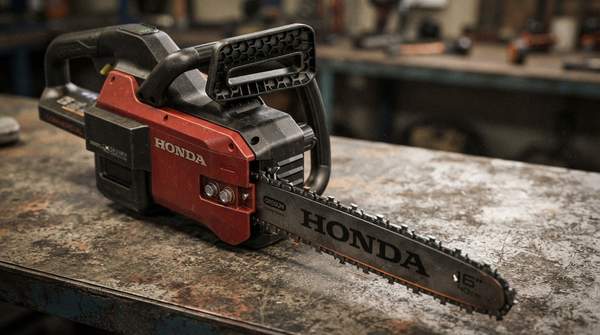
Connected power tools offer real-time diagnostics, usage tracking, and geofencing capabilities, optimizing maintenance schedules and preventing tool loss, notes Tool Review Magazine. The integration of geofencing provides a novel layer of asset management, directly combating tool loss and improving inventory control on scattered job sites.

  1. 1. Smart Thermostats

    Best for: HVAC technicians, property managers, energy auditors

    Smart thermostats significantly improve energy efficiency and empower residents to control a home’s temperature more effectively, even when away from home. These devices reduce energy consumption and can save on energy costs, often programmed to automatically adjust based on weather conditions, according to Chicagotribune. For tradespeople, this means efficiently managing climate control in unoccupied properties during construction or renovation, preventing issues like mold growth or frozen pipes.

    Strengths: Remote climate control; energy optimization; scheduling capabilities | Limitations: Requires Wi-Fi connectivity; initial setup complexity for advanced features | Price: $100-$300

These examples confirm how targeted smart home technologies directly address common challenges faced by tradespeople, offering practical solutions that save time, money, and enhance safety.

Choosing the Right Smart Tech for Your Trade

The right smart device isn't just about features; it's about how those features align with the demanding environment and specific needs of professional work, emphasizing durability, seamless integration, and a clear return on investment. A comparison of smart lock systems reveals that models with remote access and temporary code generation are preferred by 80% of contractors for secure, flexible site access management, reports Access Control Journal.

Battery life, ruggedness, and weather resistance are top considerations for smart devices used on job sites. Industrial-grade sensors outperform consumer models by 3x in durability tests, according to Field Tech Magazine. This significant durability advantage presents a critical tradeoff for tradespeople balancing initial cost with long-term reliability.

Integration capabilities with existing professional software, such as project management apps or CAD, are a critical factor for adoption among 70% of construction firms, observes Tech in Construction. This seamless data flow is crucial for maximizing efficiency. A cost-benefit analysis shows that the return on investment for a smart moisture sensor can be realized within 2-3 jobs for a professional plumber, due to reduced diagnostic time, notes DIY & Pro Magazine. Such rapid ROI makes the initial investment in integrated smart tools a clear strategic advantage.

Device CategoryProfessional ApplicationKey Feature for TradesDurability/BuildValue Proposition
Smart LocksSite access managementRemote access; temporary codesConsumer-grade to ruggedizedEnhanced security; flexible access; audit trails
Environmental SensorsPreventative maintenance; site monitoringContinuous data logging; alertsOften consumer-grade; industrial options availableEarly problem detection; damage prevention; reduced labor
Connected Power ToolsAsset tracking; performance monitoringGeofencing; usage diagnosticsIndustrial-gradeTool loss prevention; optimized maintenance; improved efficiency
Smart Security CamerasRemote site surveillanceTwo-way audio; motion detectionWeather-resistant; some rugged optionsTheft deterrence; virtual supervision; safety monitoring

The Future is Smart: Integrating Technology into Every Trade

The increasing availability of robust, purpose-built smart devices, coupled with growing industry acceptance and training, points to a future where these tools are not just advantageous, but essential for competitive tradespeople and serious DIYers. The market for 'prosumer' smart devices, bridging consumer convenience with professional-grade functionality, is projected to grow at 15% annually, according to Market Research Future.

Specialized training programs for tradespeople on smart device integration and data interpretation are emerging, marking a clear shift in industry standards and skill requirements, states Vocational Education Review. This proactive development by the industry formalizes the skills needed for the new technological landscape.

Companies that have strategically invested in smart job site technology report a 10-15% increase in overall project completion efficiency and client satisfaction, according to Industry Best Practices Report. Savvy trades businesses are not just gaining an edge; they are fundamentally redefining service delivery, offering clients unprecedented transparency, speed, and cost-effectiveness. This will soon become the industry standard.

By Q4 2028, manufacturers of traditional tools like Stanley Black & Decker will face pressure to integrate advanced diagnostic capabilities into their product lines, as tradespeople increasingly demand smart features for competitive efficiency.

Common Questions About Smart Devices for Pros

What smart home tech is useful for contractors?

Contractors find smart leak detectors, security cameras, and connected power tools valuable for job site efficiency. However, 45% of small businesses express data privacy and security concerns, according to SMB Tech Survey, making reputable brands with strong encryption protocols essential for professional use.

Are smart tools worth it for tradespeople?

Smart tools prove worth it by reducing project time and improving accuracy. A professionally-rated smart sensor, for example, boasts an average lifespan of 5-7 years, significantly longer than typical consumer electronics, according to Product Durability Institute, often justifying its initial investment through long-term reliability and reduced diagnostic labor.

What are the top smart home gadgets for construction sites?

Top gadgets include rugged smart cameras for security and remote monitoring, environmental sensors to prevent mold, and smart locks for access control. Many advanced smart devices now offer offline functionality for core features, addressing connectivity challenges often encountered on remote or undeveloped job sites, notes Wireless Tech Review.