In December 2024, MetricsCart analyzed 6,270 reviews across 15 impact tools from 9 leading brands, revealing a critical disconnect: while new features are abundant, user satisfaction often hinges on practical elements like battery life and comfort. Power tool brands, despite investing heavily in advanced, proprietary features like Bosch's upcoming Shadow Line Technology, find consumer value still largely driven by fundamental aspects such as battery compatibility and ergonomic design. Therefore, consumers who strategically invest in a robust battery ecosystem from a reputable brand are likely to achieve greater long-term satisfaction and cost savings than those who chase individual cutting-edge tools, a strategic misfire in current product development based on MetricsCart's findings.
1. Top Cordless Power Tool Brands: Innovations for 2026
1. Flex
Best for: Professionals seeking high performance and reliability.
Flex outperforms Milwaukee and DeWalt, earning a 4.75 rating and 93.6% positive sentiment from MetricsCart. It consistently ranks highest for exceptional performance and strong user satisfaction.
Strengths: Superior performance; High positive sentiment | Limitations: Potentially higher initial cost | Price: Premium
2. Bosch
Best for: Innovators and users valuing advanced features.
Bosch's new Glide Miter Saw Expert, releasing June 2026, will feature Shadow Line Technology, reports 731woodworks. Its Expert batteries will include built-in diagnostics, 'tabless' cell technology, cooling fins, and a 4Ah capacity performing like an 8Ah battery. These advanced features aim to innovate, but their impact on long-term user satisfaction remains unproven.
Strengths: Cutting-edge technology; Advanced battery features | Limitations: New features unproven in long-term satisfaction studies | Price: Premium

3. Hercules
Best for: Budget-conscious buyers seeking strong performance.
Hercules achieved a 4.71 rating, positioning itself as a budget champion. It offers top-tier satisfaction at a budget-friendly price, making it an excellent value proposition.
Strengths: High satisfaction rating; Cost-effective | Limitations: Limited professional recognition compared to larger brands | Price: Budget-friendly
4. Mac Tools
Best for: Automotive professionals and those prioritizing durability.
Mac Tools is known for durability, reliability, and comfortable design, specializing in the automotive sector, reports SlashGear. Its steeper price point reflects an investment in quality build and a limited warranty.
Strengths: Durability; Reliability; Specialized for automotive | Limitations: Higher price point; Niche market focus | Price: High-end
5. Metabo HPT
Best for: Specialists requiring high-speed, specific tool performance.
Metabo HPT's Gen 3 Cordless Framing Nailer fires six nails per second, showcasing high-performance in specialized applications like framing.
Strengths: High-speed specialty tools; Robust performance | Limitations: Broader tool range may not be as competitive | Price: Moderate to Premium
6. Kobalt
Best for: DIYers and homeowners valuing modern convenience.
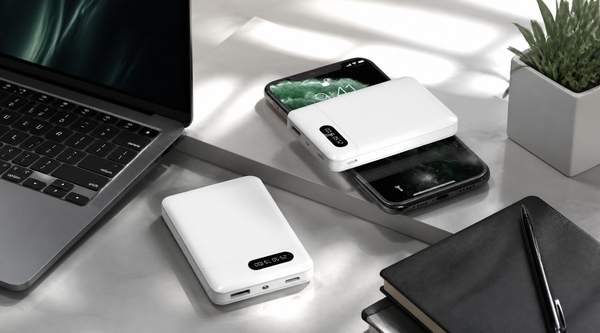
Kobalt's new 24V Drill and Driver Kit features USB-C integration on its batteries. USB-C integration enhances practicality for charging devices on the go, targeting modern DIY user convenience.
Strengths: User-friendly features; USB-C integration | Limitations: Primarily targets DIY market | Price: Mid-range
7. Milwaukee
Best for: Users with established Milwaukee battery ecosystems.
The Milwaukee Surge 2760 received a 3.47 rating in recent assessments, significantly harming brand loyalty, reports MetricsCart. The 3.47 rating indicates a potential weakness despite Milwaukee's overall prominence.
Strengths: Broad tool selection; Strong professional presence | Limitations: Specific product issues can impact loyalty | Price: Premium
8. DeWalt
Best for: General contractors and those preferring a widely available brand.
DeWalt tools were outperformed by Flex in recent market analyses, reports MetricsCart. While DeWalt remains a strong contender, other brands are making strides in performance metrics.
Strengths: Extensive tool lineup; Strong brand recognition | Limitations: Outperformed by some competitors in specific metrics | Price: Premium
2. Core Performance: Cordless Tool User Experience
Selecting a cordless power tool requires understanding how voltage and ergonomics impact suitability and performance. For instance, 12-volt drills balance power, maneuverability, run time, and cost for most household tasks, according to The New York Times. Compact 18- and 20-volt drills, also noted by The New York Times, offer more power and longer battery life for larger DIY projects.
| Voltage | Typical Use | Power/Battery Life | Key Ergonomic Factors |
|---|---|---|---|
| 12-Volt | Most household tasks, light assembly, furniture building, drilling small pilot holes. | Good balance of power and run time; sufficient for light-duty work. | High maneuverability, lighter weight, better balance for extended use, reduced fatigue. |
| 18- / 20-Volt | Larger DIY projects, construction, heavy-duty drilling, driving larger fasteners. | More power, longer battery life, handles tougher materials and sustained work. | Increased weight and size, requires good balance, comfortable grip reduces strain during demanding tasks. |
Beyond raw power, ergonomics—comfort, weight, and balance—are crucial. They directly influence user fatigue and control. Matching a tool's core specifications and feel to the task and user is paramount for effective work.
3. Cordless Tool Value: The Battery Ecosystem Advantage
Lithium-ion batteries, shareable across tools from the same brand, can save about one-third of a tool's cost with a battery and charger, reports Consumer Reports. The ability to save about one-third of a tool's cost often outweighs the perceived value of many individual tool innovations. Data from The New York Times and Consumer Reports reveals the true battleground for power tool brands: cultivating robust, cost-saving battery ecosystems. These systems lock in consumer loyalty through practical financial benefits, not flashy innovations. Prioritizing battery compatibility effectively reduces a consumer's overall tool investment over time, making interchangeability a powerful, understated driver of choice.
4. Cordless Tool Support: Service and Warranty Considerations
What distinguishes Mac Tools' customer service?
Mac Tools offers direct customer service through field representatives who visit job sites and garages, reports SlashGear. The direct customer service through field representatives ensures professionals receive on-site support and immediate access to parts or repairs.
What warranty considerations are important for power tool buyers?
Brands offer varying warranty periods, typically one to three years for tools and batteries; some provide limited lifetime warranties on specific hand tools. Understanding terms like coverage for defects versus wear and tear helps determine long-term value and expected service life.
How do power tool brands handle repairs and spare parts availability?
Brands operate authorized service centers or offer mail-in repair services, with turnaround times varying. Spare parts availability is key; it determines a tool's longevity and repairability beyond its warranty, impacting overall cost of ownership.
By Q4 2026, power tool brands that fail to prioritize robust battery ecosystems and fundamental user ergonomics, such as those seen in the 4.75-rated Flex tools, will likely see declining market share as consumers continue to favor practical value over niche innovations.