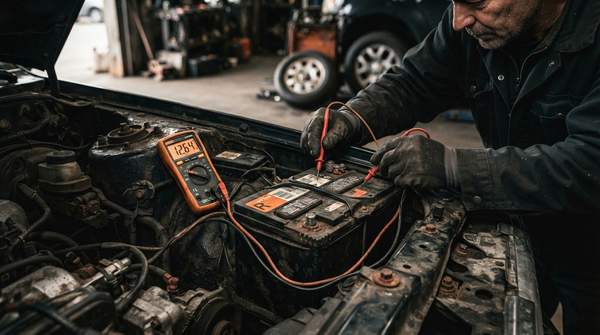
A single alphanumeric code, like P0462, can instantly tell you your car has a 'severity 2' fuel-level sensor malfunction, demanding immediate attention and potentially saving hundreds in diagnostic fees. This specific insight into a vehicle's health empowers drivers to understand problems before visiting a mechanic, offering a crucial advantage in repair negotiations. As of 2026, mastering diagnostic trouble codes (DTCs) is not just an advantage; it is a fundamental skill for vehicle ownership.
Modern vehicles are increasingly complex, but their onboard diagnostic systems provide clear, standardized messages that simplify troubleshooting for common issues. This creates a disconnect between the perceived difficulty of car repair and the actual diagnostic accessibility for the average owner.
Based on the increasing standardization and accessibility of diagnostic information, drivers who understand DTCs are likely to gain significant control over their vehicle's maintenance and repair costs.
Decoding Your Car's Secret Language
DTC codes like P0462 provide specific information, indicating a powertrain issue related to emission controls and a fuel-level sensor malfunction, with a severity rating of 2 out of 3, requiring immediate repair, according to Lytx. This structured alphanumeric system offers a universal language for diagnosing specific vehicle malfunctions, moving beyond vague symptoms like a 'check engine' light. Vehicle owners who ignore these standardized codes are not just risking inconvenience, but actively jeopardizing their vehicle's operational integrity and potentially incurring far greater costs, based on Lytx's description of P0462.
These codes are not merely descriptive; they are prescriptive, guiding owners on the urgency and potential impact of a problem. This level of transparency in vehicle diagnostics is rarely found in other consumer product repair industries. DTCs reduce the ambiguity that often surrounds vehicle repairs by providing clear indications of issues and their severity.
How to Access and Interpret Your Vehicle's Codes
Accessing your vehicle's diagnostic information begins with locating the OBD-II port, typically found under the dashboard on the driver's side. This port allows a diagnostic scanner to connect to your vehicle's onboard computer. The universal adoption of the SAE J1962 OBD-II connector, as detailed by Kvaser, combined with specific, rated DTCs, means the automotive industry has inadvertently democratized basic vehicle diagnostics, shifting power and financial leverage from specialized mechanics to informed consumers.