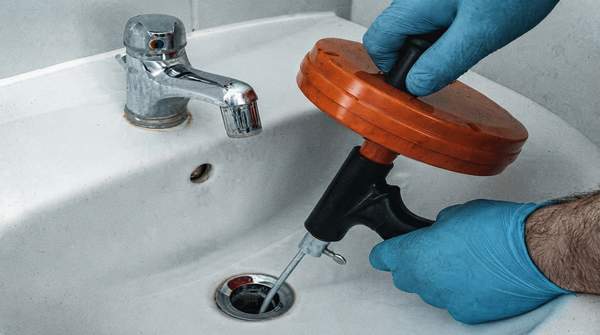
There is no single best drain cleaning tool—there is only the right tool for the obstruction in front of you. Equipment guidance from General Pipe Cleaners is blunt on this point: a cable machine opens hard or dense stoppages, a water jetter flushes grease and soft buildup, a flexible-shaft cleaner scrubs deposits off the pipe wall, and an inspection camera tells you which of these you actually need. This article compares those four professional technologies side by side and walks through the sequence professionals use to diagnose, clear, and verify a line.
Understanding Professional Drain Cleaning Tools
Professional drain cleaning rests on four machine categories, each with a distinct mechanical action. Cable machines—available as drum machines and sectional machines—drive a rotating cable, often fitted with a cutter or auger, into the line to physically break or cut through an obstruction. RIDGID's equipment descriptions draw a useful distinction within this category: drum machines deliver high torque to clear obstructions in commercial and residential drain lines, while sectional machines use high-speed cutting action to drill through obstructions.
Water jetters take the opposite approach. Instead of a cutting head, they push a hose with a nozzle down the pipe and blast the interior with water at extremely high pressure. A plumbing company's overview of professional equipment describes the nozzle sending out a 360-degree spray that scours the pipe's interior, blasting apart clogs while cleansing the pipe walls.
Flexible-shaft cleaners occupy a middle ground: a rotating cable inside a flexible shaft, fitted with brushes or cutters, designed specifically to target deposits along the pipe wall rather than punch through a dense mass. Finally, video inspection cameras—a camera head on a push cable—send interior images to a monitor, letting the operator see the clog before choosing equipment and confirm the result afterward.
Professional Drain Cleaning Tool Comparison
The table below maps each technology to the obstruction it is designed to clear, using the application guidance from General Pipe Cleaners and RIDGID's machine descriptions. The key analytical distinction is mechanical action: cutting tools for solid obstructions, pressurized water for soft material, and wall-cleaning shafts for adhered deposits.
| Tool Type | Mechanism | Best For Clog Type | Primary Use Case | Limitations |
|---|---|---|---|---|
| Cable machines (drum/sectional) | Rotating cable with cutters; drum machines deliver high torque, sectional machines use high-speed rotation | Hard or dense stoppages, including roots and blockages that need to be cut or broken open | Penetrating a hard blockage in commercial and residential lines | May not thoroughly clean pipe walls of soft buildup or grease; another tool may be needed for comprehensive wall cleaning |
| Water jetters (hydro-jetters) | High-pressure water sprayed 360 degrees from a nozzle, flushing and scouring | Grease, sludge, sediment, and soft buildup; also described as ideal for soap- or sewage-clogged lines | Emulsifying and flushing soft material while cleaning pipe surfaces | Less effective against hard obstructions like roots or solid objects; relies on water pressure rather than cutting action |
| Flexible-shaft cleaners | Rotating cable inside a flexible shaft with brushes or cutters | Scale, rust, and other buildup adhered to pipe walls | Restoring full pipe diameter by cleaning surfaces | Primary function is cleaning pipe surfaces rather than breaking through dense clogs |
| Video inspection cameras | Camera head on a push cable transmitting interior images to a monitor | Not a cleaning tool—identifies the clog's location, type, and the equipment needed | Diagnosis before cleaning and verification of results afterward | Does not remove any obstruction by itself |
The comparison yields a clear decision rule. If the obstruction is hard, dense, or rooted, the cable machine is the better first choice because its cutting action is suited for solid material. If the problem is grease, sludge, or soft buildup coating the pipe, the jetter's high-pressure stream excels at emulsifying and flushing it. If the line is open but constricted by wall deposits, the flexible-shaft cleaner is the purpose-built answer.