For just $19.95, a specialist can perform a fully-assisted diagnostic scan on your car, revealing issues that once required costly dealership visits and specialized equipment, according to AirPro Diagnostics. This low-cost access to comprehensive vehicle insights empowers independent repair shops and consumers to identify and address complex automotive problems with unprecedented ease in 2026.
However, the market for advanced diagnostic tools is booming, offering extensive access to vehicle data and repair functions. Yet, the foundational technology for many of these tools, the OBD-II port, is becoming irrelevant for a growing segment of new electric vehicles, creating a significant industry tension.
Therefore, while current diagnostic tools empower consumers and independent shops for traditional internal combustion engine (ICE) vehicles, the long-term trend suggests a shift towards manufacturer-controlled, remote diagnostic ecosystems for EVs, potentially centralizing repair data and control and requiring new skill sets from technicians.
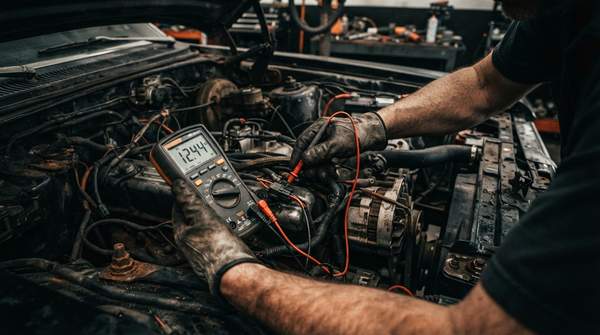
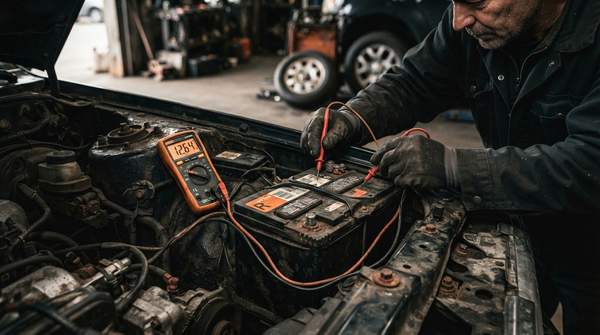
Advanced automotive diagnostics connect specialized tools to a vehicle's onboard computer system, retrieving error codes and performing deeper analyses. Unlike basic code readers, these systems interpret sensor data, activate components for testing, and allow for reprogramming or calibration. Tools like the Topdon TopScan PRO and Topdon ArtiDiag900BT offer broad compatibility, covering over 120 and 130 vehicle brands globally, respectively, as reported by Autotech-WSS. This widespread compatibility democratizes traditional vehicle repair.
A Booming Market for Deeper Insights
The vehicle diagnostics market projects multi-billion dollar growth, reflecting the industry's increasing reliance on sophisticated tools for modern automobiles. Significant global investment in advanced diagnostic capabilities is noted by Cognitive Market Research.