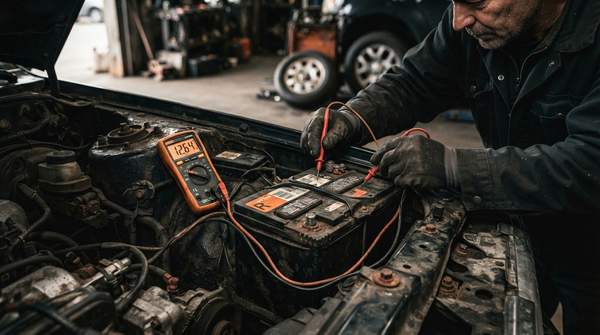
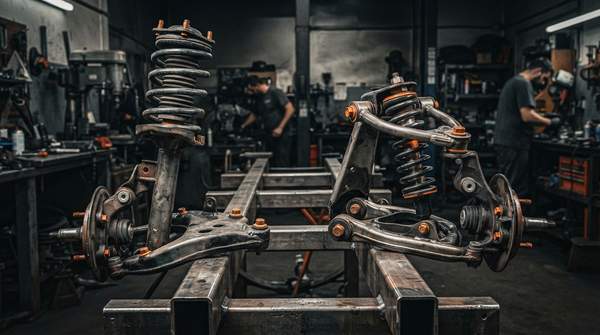
Ford CEO Jim Farley recently warned that modern vehicle repairs are too complex for consumers, citing safety risks. Despite this, the House Energy and Commerce Committee passed legislation forcing automakers to open repair access. This legislative push acknowledges vehicle owners are losing control over their property, impacting millions.
Automakers claim modern repairs are too complex and risky, yet they resist legislative efforts to provide independent shops with necessary diagnostic information and tools. This creates a direct conflict between stated safety concerns and practices that restrict competition.
If current trends continue, consumers face a repair oligopoly, leading to higher prices and reduced service options, unless robust Right to Repair legislation is universally adopted and enforced. Automaker strategies are reshaping the automotive repair landscape, particularly impacting independent shops by 2026.
Automakers, according to The Drive, may intentionally complicate repairs with proprietary parts, creating barriers for non-factory service. This strategy channels consumers toward dealership service centers, impacting independent shops by 2026. Manufacturers consider diagnostic information proprietary, a key factor opposing Right to Repair, as reported by Car and Driver. This stance, often framed as safety, creates a closed maintenance ecosystem, limiting consumer choice and stifling independent businesses. It also questions vehicle ownership rights as repair information becomes restricted, affecting the competitive landscape.
The Legislative Pushback Against Automaker Control
The House Energy and Commerce Committee passed the “Motor Vehicle Modernization Act” (H.R. 7389), aiming to make the 2014 Memorandum of Understanding (MOU) binding and enforceable by the Federal Trade Commission (nada). This move challenges automakers' de facto repair monopoly, which The Drive argues drives independent mechanics out of business and inflates consumer costs.
Federal intervention shows automakers' voluntary repair access commitments were insufficient. The FTC is directed to study repair issues and report by 2030, suggesting widespread change for consumers and independent shops remains years away. The EPA Administrator is also tasked with providing "freedom to fix" guidance within 30 days (whitehouse). These actions confirm the problem's recognition, but the long FTC timeline and need for federal enforcement underscore manufacturers' deep resistance to relinquishing control over repair data and tools.