A faint squeal from under the hood, dismissed as 'just an old car thing,' can quickly escalate into a complete engine failure, stranding you on the highway. Many drivers dismiss strange car noises, but these sounds are precise indicators of impending critical failures. Ignoring them transforms minor annoyances into expensive, dangerous repairs. Grinding, for example, signals metal-on-metal contact in brakes, transmissions, or wheel bearings, according to Allied Automotive Service—a critical warning demanding immediate attention.
1. Decoding Your Car's Cries: Squeals, Clicks, and Grinds
Each distinct sound provides a clear, actionable clue, allowing drivers to pinpoint potential issues before they worsen. Drivers who dismiss a 'faint squeal' or 'grinding' are not just risking a breakdown; they're actively inviting a cascade of expensive, interconnected failures across their vehicle's most critical systems, as evidenced by Moog Parts and Allied Automotive Service identifying these sounds across brakes, engines, and drivetrains.
1. Grinding (Worn Brake Pads)
This grinding noise occurs when brake linings have worn away, allowing the steel brake rotor to rub against the metal brake pad backing. Brake repairs cost £157.98 on average, according to Who Can Fix My Car. Ignoring this can lead to a repair bill three times higher than just replacing pads.
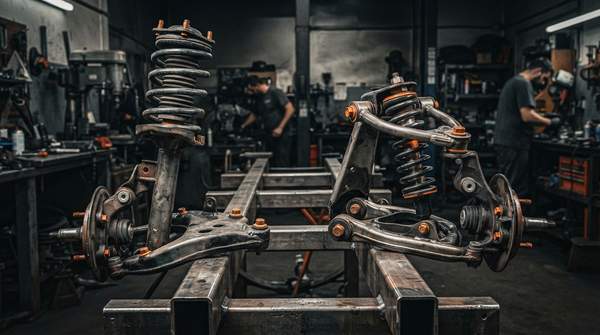
2. Grinding (Failing Wheel Bearings)
Failing wheel bearings can produce a grinding noise, often exacerbated during turns. Wheel bearing replacement costs £202.37 on average, according to Who Can Fix My Car. This issue requires prompt attention to prevent wheel detachment.
3. Squealing (Loose Serpentine Belt)
Squealing sounds when starting a car typically indicate a worn, glazed, cracked, loose, or contaminated serpentine belt, according to Allied Automotive Service. This belt drives essential accessories like the alternator and power steering pump. Ignoring it can lead to loss of power steering or charging.