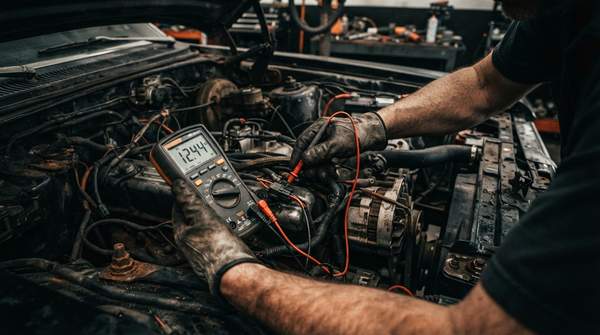
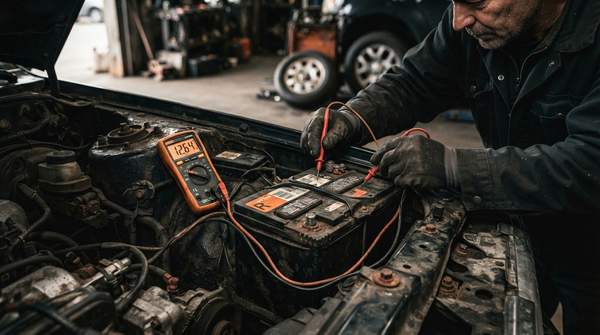
When your car's electric motor sputters, the first step isn't a costly trip to the mechanic. Instead, check if voltage reaches it when you flip the switch. This basic diagnostic move, often overlooked, can save significant time and money by pinpointing or ruling out many common electrical failures. According to Hagerty, this initial verification immediately narrows the problem, preventing unnecessary expenses. Automotive electrical systems appear intricate, but many malfunctions trace back to straightforward component failures like a blown fuse or a dead battery. This perceived complexity is a psychological barrier; informed drivers can save substantial time and money by addressing common issues themselves, rather than relying solely on professional services.
Understanding Core Electrical Components
An alternator failure quickly drains the battery, leading to total power loss, according to CBAC. A vehicle becomes inoperable, underscoring the alternator's critical role beyond just the battery. Its primary function is converting engine's mechanical energy into electrical energy, recharging the 12-volt battery and powering all electrical systems. Recognizing symptoms like dimming headlights or a dashboard battery warning light often signals impending failure. Understanding the interplay between the alternator and battery prevents misdiagnosing a dead battery.
Systematic Checks: Finding the Fault
A blown fuse interrupts power to specific vehicle systems, from the radio to power windows, explains CBAC. This simple failure shows how one component can disrupt multiple functions, making systematic checks essential. A blown fuse often indicates an electrical overload or short circuit, protecting more expensive components. Identify the affected system and check its corresponding fuse in the vehicle's fuse box for quick resolution. Replacing a fuse is straightforward, but requires knowing its location, amperage rating, and protected circuit. This systematic approach allows car owners to isolate issues and perform basic repairs, saving professional diagnostic fees.
Don't Overlook the Obvious: Battery Health
A weak or dead battery causes sluggish startups and dimming dashboard lights, according to Laflammesauto. Many drivers overlook the battery, mistaking its symptoms for complex system failures. Before intricate wiring diagrams, verify the battery's charge and terminal connections. Corroded terminals, appearing as white or blue buildup, impede current flow, mimicking deeper electrical problems. Cleaning these connections and ensuring a full charge often resolves intermittent starting or flickering lights. This critical check empowers car owners to address many electrical problems without professional intervention.