For years, farmers have fought for the right to fix their own tractors. Now, CNH Industrial is directly selling its proprietary diagnostic tool, the Case IH Electronic Service Tool (EST), to customers. This move allows equipment owners to perform complex diagnostics themselves, potentially reducing downtime and repair costs. Heavy equipment manufacturers have historically restricted access to such tools, but CNH Industrial's decision marks a notable departure. This action appears to be a direct response to growing right-to-repair pressures, potentially setting a precedent for other manufacturers to follow and avoid further regulatory intervention.
What the Electronic Service Tool Does
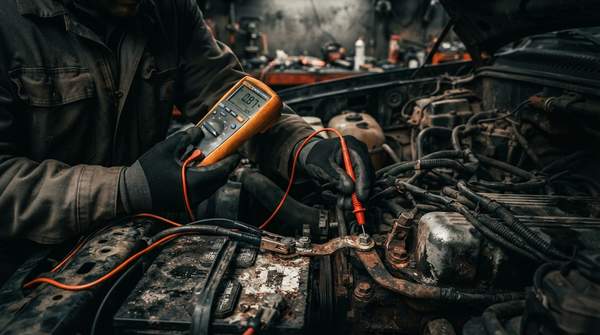
- The CNH Industrial Electronic Service Tool (EST) enables users to diagnose issues across various heavy equipment systems, including engines, transmissions, and hydraulics.
- This tool provides access to diagnostic fault codes, allowing for precise identification of operational problems.
- Users can perform calibrations and software updates for specific components, ensuring optimal machine performance.
- The EST facilitates guided troubleshooting procedures, assisting in the repair process for complex mechanical and electronic failures.
- It allows for monitoring of real-time sensor data, offering insights into equipment health and operational parameters.
The EST's capabilities empower owners to identify and potentially resolve complex issues, reducing immediate reliance on authorized dealerships. This directly addresses the long-standing demand from farmers for greater autonomy, but also shifts the burden of diagnostic expertise onto the equipment owner, requiring new skill sets.
A Shift in the Right-to-Repair Landscape
CNH Industrial's decision to sell its EST directly to customers marks a significant, albeit partial, victory for the Right-to-Repair movement. This action forces manufacturers to concede control over diagnostics, a core component of modern heavy equipment maintenance. This move establishes a new benchmark for access to proprietary repair tools within the heavy equipment sector, indicating a potential shift in how manufacturers approach customer service and intellectual property.
The Pressure Behind the Policy Change
Growing legislative pressure and consumer demand for repair freedom have likely compelled CNH Industrial to proactively address these concerns, rather than wait for mandates. Organizations advocating for repair rights have steadily increased their influence, pushing for policies that grant equipment owners greater control over their machinery.