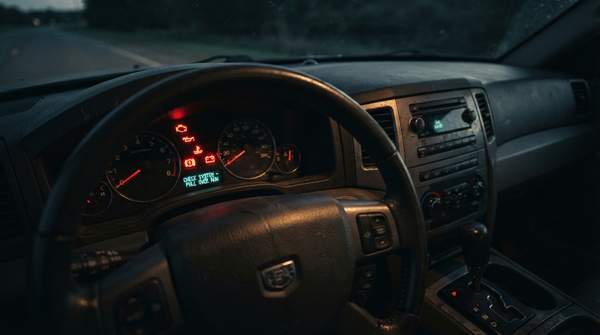
When a warning light appears on your dashboard, the color tells you most of what you need to know before you've identified the symbol. Red lights—engine temperature, brake system, airbag, and battery charge warnings among them—signal urgent issues that demand quick action, while yellow or orange lights mean you should address a problem soon but aren't facing an immediate emergency. Here are five of the most common critical lights, what they mean, and exactly what to do when one appears.
Understanding Your Dashboard: The Color-Coding System
Before decoding individual symbols, learn the general rule that applies to nearly every warning light. According to guidance from The Lift Garage, a nonprofit community auto shop, a yellow or orange light usually signals a warning or service reminder: it's not an emergency, but it's important to address the issue soon. Red warning lights, by contrast, signal urgent issues such as brake failure, overheating, or low oil pressure—serious safety concerns that should be addressed quickly.
This color system gives you a fast first read on any unfamiliar symbol. A red light means stop and assess; a yellow or orange light means schedule attention. Keep in mind that the specific appearance of symbols can vary slightly by manufacturer, so your owner's manual remains the most authoritative reference for your exact vehicle.
Five Critical Car Warning Lights and What to Do Immediately
The five lights below cover the most consequential warnings drivers encounter: the check engine light, engine temperature warning, brake system warning, airbag warning, and battery charge warning. Each carries a different level of urgency, and the distinction between "get service soon" and "pull over now" is the single most important judgment you'll make. The table that follows sorts all five across urgency, meaning, and required action so you can scan it in seconds.
Critical Car Warning Lights: Your Quick Action Guide
| Warning Light | Urgency Level (Color) | What It Means | Immediate Action Required |
|---|---|---|---|
| Check Engine (steady) | Yellow/amber | A problem with the motor or emissions system—possibly minor (loose wire, ill-fitting gas cap) or serious | Don't panic, but don't ignore it; drive to a mechanic for a diagnostic test |
| Check Engine (flashing) | Red/flashing | A severe problem that could cause serious damage if ignored | Pull over safely and arrange a tow rather than continuing to drive |
| Engine Temperature | Red | The engine is overheating | Pull over immediately, turn off the engine, check coolant if safe; call a tow if the engine or reservoir is smoking |
| Brake System | Red | A problem with brake components or hydraulic fluid | Stop the car and call a tow truck as soon as you safely can |
| Airbag | Red | A fault in the airbag or supplemental restraint system | Not a pull-over emergency, but bring the car to a mechanic promptly—never ignore it |
| Battery Charge | Red | The charging system isn't maintaining voltage; the car is running on battery power | Turn off nonessential electronics, keep the engine running, and drive directly to a repair shop or arrange assistance |
Check Engine Light: Steady vs. Flashing
The check engine light is a highly ambiguous warning on the dashboard. It can indicate a minor issue, such as an ill-fitting gas cap, a loose wire, or a worn solenoid, or it could signal a more serious problem within the engine itself.
That ambiguity is why the light's behavior matters. If a steady check engine light illuminates while you're driving and everything seems fine with the car, Car and Driver advises: don't panic, but don't ignore it either—get the vehicle to a mechanic to run a diagnostic test and source the problem. A flashing light, however, signals a critical issue that could cause serious damage if you keep driving, which is why the recommended response shifts from "schedule a visit" to "pull over and tow."
Engine Temperature Warning: Overheating Dangers
An engine temperature warning is a critical red light that demands immediate action to prevent severe engine damage. MotorTrend's guide to dashboard lights recommends pulling over and, once the car has cooled, using a rag to lift the lid of the coolant reservoir and check the coolant level.
The decision point comes right after that check. If your car is so hot that the engine, coolant reservoir, or coolant tank is "smoking," MotorTrend advises calling a tow service. Continuing to drive an overheated car risks permanent damage, so the safe move is to stop as soon as possible, let the engine cool, and let a professional diagnose the cause rather than pressing on toward your destination.
Brake System Warning: Safety First
The brake system warning light—typically an exclamation mark with a circle around it—means something is wrong with your brakes. According to MotorTrend, there may be a problem with brake components, or the hydraulic fluid may need a top-off. Either way, brake issues are a direct safety hazard and require professional assessment.
The recommended response is unambiguous: stop the car and call a tow truck as soon as you safely can. Unlike an overheating engine, where a coolant check might reveal a simple fix, a brake fault strikes at your ability to stop the vehicle at all. A red brake light is a serious safety concern that requires immediate attention, and driving on compromised brakes puts you and everyone around you at risk.
Airbag Warning: Compromised Safety System
The airbag warning light indicates a fault in your supplemental restraint system. The Lift Garage lists possible causes including a deployed or faulty airbag, loose or damaged wiring, faulty airbag sensors, seat belt issues, or airbag control module problems—and notes these are not the only possibilities.
This light sits in a middle category: it's not an immediate "pull over" emergency in the way an overheating engine or brake fault is, but it compromises your safety and needs prompt repair. The airbag warning light should never be ignored, as the airbags are a crucial safety feature in your car. The essential step is to bring the car to a mechanic to have the issue identified and addressed by a professional, since you have no way of knowing from the driver's seat whether the airbags would deploy in a collision.
Battery Charge Warning: Powering Down
A lit battery warning light indicates a fault in the charging system, not necessarily a dead battery. Shop guidance from Express Lube & Car Care explains that the light means your charging system isn't maintaining proper voltage and your car is essentially running on borrowed time. Les Schwab Tire Center describes the same mechanism: you may be running primarily on battery power without it being recharged by the alternator, which means your vehicle could stop running at any time depending on your battery's overall health.
The practical response is to minimize electrical load and distance. Turn off every nonessential electrical accessory, keep the engine running, and drive directly to a shop or a safe location. Les Schwab adds that if you'd rather not risk the drive, safely pull over and arrange for assistance. Either way, the car needs a professional diagnosis of the charging system.
When to Drive, When to Tow: Making the Right Call
For red warning lights such as Engine Temperature or Brake System, pull over immediately and arrange for a tow; for a flashing Check Engine light, also pull over and tow. For yellow/orange lights or a steady Check Engine light, it is generally safe to drive directly to a mechanic for diagnosis. The battery charge light sits between the two: drive directly to a repair shop with electronics off, or arrange assistance if the distance is risky.
The measurable indicator is the vehicle's continued safe operation or the need for a tow service, confirmed by a mechanic's diagnosis. Whatever the outcome, remember that this guide covers common warning lights but is not a substitute for your owner's manual, and it doesn't provide repair instructions—once you've made the drive-or-tow call, the diagnosis belongs to a professional.
Sources
- Dashboard Warning Lights: What Dashboard Symbols Mean — The Lift Garage
- Light 'em Up: A Guide to Common Dashboard Warning Lights — MotorTrend
- Dashboard Warning Lights Explained — Car and Driver
- Battery Light On? What It Means and What to Do — Express Lube & Car Care
- What to Do When Your Car Battery Light Comes On — Lesschwab