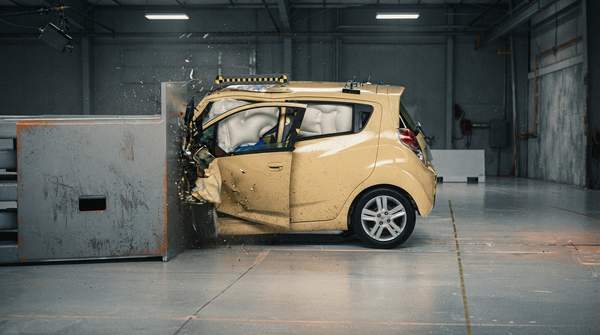
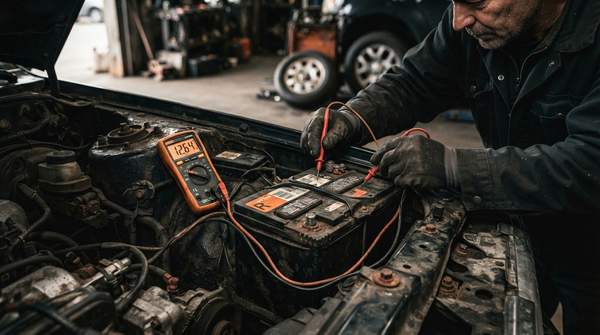
In an automatic emergency stop at 60 mph, advanced braking systems like ZF TRW's Integrated Brake Control could halt a vehicle up to 10 yards sooner than conventional systems, according to Motor. This 10-yard reduction directly enhances safety in emergencies. Such performance defines modern vehicle braking in 2026.
Modern braking systems offer unprecedented safety and efficiency, but their complexity demands drivers be vigilant about new maintenance indicators and operational quirks. The integration of electronic controls and regenerative capabilities introduces nuances not present in hydraulic-only setups. This sophistication shifts responsibility to drivers: understand these systems or risk compromising the very safety and efficiency they provide. Ignoring new indicators risks diminished performance or higher repair costs.
Modern braking systems rely on core hydraulic and mechanical components. Brake boosters, for instance, amplify pedal force, reducing effort and providing consistent feel, according to The Art of Manliness. Following the booster, the master cylinder distributes fluid equally to all four brakes, preventing uneven pull. Modern master cylinders often include dual brake systems with two reservoirs, providing a critical fail-safe against leaks or blockages, also detailed by The Art of Manliness. Together, these components ensure both power assistance and crucial redundancy for daily operation.
The Next Generation: Integrated and Regenerative Braking
The 10-yard shorter stopping distance offered by systems like ZF TRW's Integrated Brake Control masks a critical new challenge: drivers must now understand complex system limitations, such as restricted regenerative braking in electric vehicles, or risk misinterpreting normal operation as a malfunction. Regenerative braking in EVs may restrict if the battery is very full or very cold to protect the pack, according to Recharged. This designed limitation requires drivers to adapt to new operational nuances, not simply enjoy enhanced safety and efficiency. Drivers must differentiate between a system's designed limitations and actual malfunctions for optimal performance.