An error code like P20EE can help mechanics quickly identify a specific engine problem, such as a nitrogen oxide (NOx) sensor issue, and expedite repairs, transforming hours of manual troubleshooting into minutes. This rapid diagnosis capability significantly reduces vehicle downtime for owners. Modern diagnostic systems now offer comprehensive insights into component performance, far beyond basic code reading.
Modern vehicles are engineered with intricate, interconnected systems, but advanced diagnostic tools allow for surprisingly rapid and precise identification of underlying issues. These systems integrate with onboard computers, pinpointing malfunctions nearly impossible to diagnose through traditional mechanical inspection. This delivers both precision and efficiency.
As vehicle technology advances, reliance on sophisticated diagnostic systems will only deepen. They become a critical component of automotive maintenance and safety protocols. Accurately interpreting vehicle data will be paramount for effective, timely repairs in 2026 and beyond.
Decoding Your Car's Health: How Modern Diagnostics Work
Today, OBD2 scanners connect to a vehicle's onboard computer system, retrieving error codes and providing insights into performance and issues, according to EdTech Innovation Hub. This direct interface grants technicians access to a wealth of data, from engine parameters to transmission diagnostics. It streamlines the repair process, allowing mechanics to understand the vehicle's operational state without extensive disassembly.
These diagnostic tools translate complex sensor readings and system faults into standardized codes. This creates a universal language for vehicle problems. Understanding these codes is the first step toward effective troubleshooting, enabling mechanics to move from a symptom to a probable cause with greater certainty. The implication is a shift from guesswork to data-driven diagnostics, fundamentally changing how repairs are approached.
Streamlining Repairs: The Tools and the Process
Diagnostic scans identify the root problem of a vehicle issue, reducing troubleshooting time for mechanics, according to Roccoshonda. This efficiency is crucial in busy service environments, allowing shops to handle more vehicles and improve customer turnaround. However, comprehensive diagnostic capabilities often demand highly specific, sometimes proprietary, software and hardware.
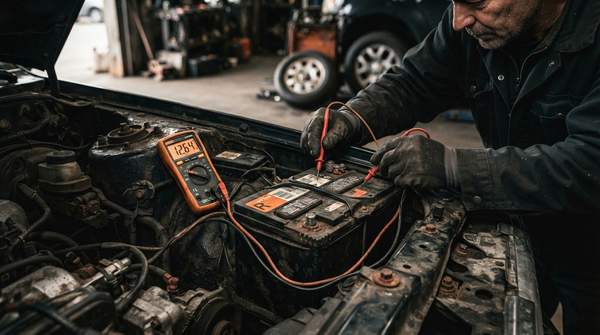
For instance, a user on Mig-welding Co Uk recommends Autocom and a VCI with German remakes for full connectivity, as of 2021. Basic OBD2 scanners offer general insights, but advanced diagnostics for modern car systems require specialized tools beyond universal standards. These proprietary systems enable mechanics to move swiftly from symptom to root cause, significantly cutting repair times and enhancing accuracy, despite fragmented access.
The efficiency gains highlighted by EdTech Innovation Hub and roccoshonda reveal a rapid shift in the automotive repair industry: from mechanical expertise to diagnostic software mastery. This creates a critical skill gap for technicians not fluent in diverse proprietary systems. While repairs can be faster, the initial investment in specialized tools and training for independent shops remains substantial. This implies a growing divide between well-equipped dealerships and independent repair facilities.
Overcoming Diagnostic System Pitfalls
The promise of universal, rapid problem identification via error codes is undercut by fragmented diagnostic ecosystems. Many modern car diagnostic systems demand specific software and hardware for comprehensive vehicle coverage, moving beyond generic OBD-II readers. A mechanic might identify a general error code, yet lack the proprietary interface to access manufacturer-specific data for precise repair instructions.
The necessity for specialized diagnostic tools, such as 'Autocom and a VCI with German remakes offering full connectivity, as of 2021,' as noted by mig-welding, directly disadvantages independent repair shops. Without these tools, they struggle to service newer, more complex vehicles, funneling consumers towards potentially more expensive dealership services. This creates a significant barrier for many mechanics, segmenting the repair market and potentially impacting overall safety standards. The implication is a widening gap in service accessibility and cost for consumers.
The immediate benefit of error codes shifts the mechanic's challenge from 'what's wrong?' to 'do I have the right tool, and can I interpret its full implications within this complex system?' This reliance on specialized, often proprietary, tools hinders many mechanics' ability to compete effectively in the evolving automotive service sector, forcing a continuous investment in technology just to maintain relevance.
Navigating Advanced Diagnostics
To effectively troubleshoot modern car systems, mechanics must invest in a range of diagnostic tools. This includes both universal OBD-II scanners and specialized software compatible with various manufacturers. Continuous training on diverse diagnostic platforms is essential to keep pace with evolving vehicle technology. Technicians must understand the nuances of different proprietary systems to interpret complex data accurately.
Independent shops can explore subscription services or partnerships for manufacturer-specific diagnostic software, circumventing the high upfront cost of purchasing every proprietary tool. Documenting common OBD-II scanner errors and their specific interpretations across different vehicle makes further streamlines troubleshooting. A proactive strategy bridges the gap between universal diagnostics and advanced vehicle systems, enhancing overall repair capability. The implication is that adaptability and strategic investment, not just raw mechanical skill, define success in this new landscape.
Consumers, too, must understand the limitations of generic check engine light codes. Seeking mechanics with comprehensive diagnostic capabilities prevents misdiagnoses and ensures more effective repairs. Inquire about the specific diagnostic tools a shop uses, especially for newer vehicle models, to confirm they can fully address complex issues.
If manufacturers continue to develop proprietary diagnostic systems without industry-wide standardization, the automotive service sector will likely see further consolidation, with independent shops facing increasing pressure to specialize or partner to remain competitive.