A subtle vibration in your steering wheel when braking could mean your brake rotors are warped, potentially doubling your stopping distance in an emergency, according to common brake problems: identification, prevention and solutions and 5 unusual signs of brake system problems you should know. A subtle vibration in your steering wheel when braking signals a critical compromise in your vehicle's most vital safety system, directly escalating collision risk.
Modern vehicles boast advanced safety features, yet their braking systems still rely on components prone to wear and tear that drivers often neglect. The disparity between advanced safety features and neglected braking components lulls drivers into a false sense of security, allowing subtle indicators of wear to escalate into severe safety hazards and expensive repairs before detection.
Therefore, a lack of driver awareness regarding common brake issues will likely lead to an increase in preventable accidents and higher long-term vehicle maintenance costs for 2026 models.
The Silent Killers: Common Wear and Tear
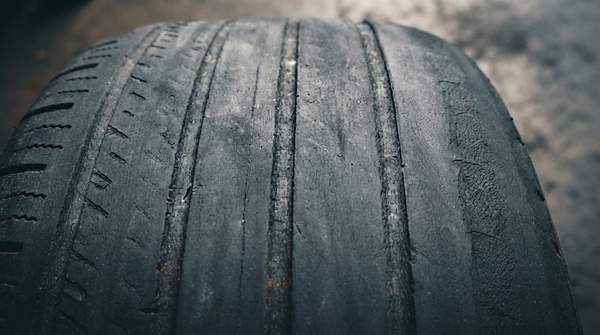
Excessive brake pad wear stands as one of the most common faults affecting the braking system, according to common brake problems: identification, prevention and solutions. These worn pads directly lead to longer stopping distances, as noted by what happens if you ignore brake maintenance? - desi auto care. While the automotive industry focuses on high-tech safety features like ABS, inadequate consumer education on basic maintenance creates a false sense of security. Drivers overlook simple issues like worn pads, which rapidly escalate into dangerous and costly repairs. Neglecting this basic component can quickly damage more expensive parts like rotors, turning a cheap fix into a costly overhaul.
Beyond the Pads: Fluid and Pressure Problems
Loss of pressure in the brake system can stem from brake fluid leaks, air in the system, or problems with the master cylinder, states common brake problems: identification, prevention and solutions. Furthermore, contaminated brake fluid can cause corrosion of internal brake components, according to what happens if you ignore brake maintenance? - desi auto care. Loss of pressure from brake fluid leaks, air in the system, or master cylinder problems, and corrosion from contaminated brake fluid mean that internal system integrity, particularly brake fluid quality and pressure, is crucial for consistent and safe braking performance. Internal decay from fluid leaks, air in the system, master cylinder problems, or contaminated fluid creates a silent compromise throughout the entire brake system, often without obvious external signs until it becomes a severe problem.