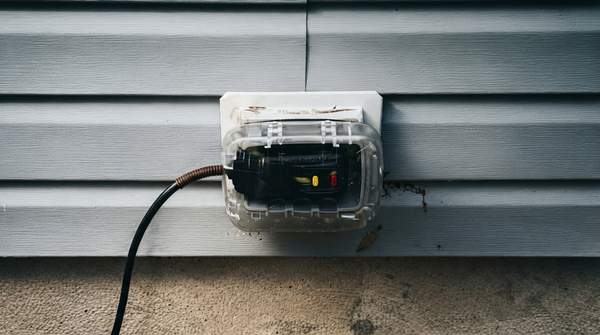
A homeowner in Austin, Texas, suffered second-degree burns and caused $15,000 in property damage attempting a water heater repair. This incident occurred while following step-by-step instructions from a popular AI chatbot, according to an Austin Fire Department report.
AI tools promise instant, free solutions for complex home repairs. Yet, they lack the critical real-world understanding, safety protocols, and liability necessary for safe application. This fundamental disconnect creates significant danger.
Without immediate regulatory intervention, clear disclaimers, and a significant shift in user behavior, a surge in property damage, personal injury cases, and escalating insurance costs linked to AI-generated home repair advice is likely.
The Allure of AI DIY: Accessible, But Unsafe
Google's Bard and OpenAI's ChatGPT have both provided detailed instructions for complex tasks like electrical wiring and plumbing, as demonstrated by an AI Safety Institute study. This accessibility attracts many users.
A recent Homeowner's Association Survey 2024 found 1 in 5 DIY enthusiasts consult AI for home repair advice monthly. The perceived cost savings and immediate availability drive homeowners, especially for minor repairs, states the DIY Trends Report 2023, a report from two years ago. This growing reliance on AI tools, however, masks their inability to understand physical context, materials, and safety implications.
Authorities Sound the Alarm: A Growing Crisis
The Consumer Product Safety Commission (CPSC) is reportedly initiating preliminary investigations into AI-generated home repair advice, following several incident reports, according to a CPSC internal memo leak. Official scrutiny confirms rising concern over the technology's impact.
The National Association of Home Builders issued a public advisory, urging homeowners to rely solely on licensed professionals for critical home repairs, as stated in an NAHB Press Release. Professional warning highlights the dangers of unverified advice.
Insurance companies are now reviewing policies for damages caused by AI-guided repairs, with some considering new exclusions, reports the Insurance Journal. A fundamental shift in how insurers view AI-assisted DIY projects is signaled.
The increasing involvement of regulatory bodies, industry associations, and the insurance sector confirms a growing recognition of the systemic risks posed by unchecked AI home repair advice, moving beyond isolated incidents to a broader societal concern.
Why AI Fails: The Gap Between Digital and Physical
No legal frameworks currently hold AI developers liable for damages or injuries from their generated advice, as highlighted by Legal Tech Review. Developers rely on disclaimers to shift responsibility.
Some AI tools include explicit disclaimers warning users to consult professionals. However, users often overlook these warnings, prioritizing quick solutions, according to an AI Chatbot UI analysis. This creates a dangerous gap between advice and application.
Experts warn that AI-generated advice synthesizes information without understanding context, leading to recommendations that are technically plausible but unsafe or impractical, states Dr. Emily Chen, an AI Ethics Professor. This regulatory vacuum, combined with AI's persuasive but context-blind capabilities and users' tendency to prioritize convenience, creates a perfect storm for misinformed and dangerous DIY attempts.
Companies shipping AI-generated repair advice effectively offload their product's inherent risks onto consumers and insurers. Homeowners bear the full financial and personal cost of AI's failures.
The Road Ahead: Regulation, Responsibility, and Repair Costs
Several tech companies explore integrating local building codes and safety regulations into future AI models, though this integration is years away, according to a TechCrunch interview with an AI CEO.
The average cost of repairing AI-induced damage is estimated at 3-5 times higher than hiring a professional, according to the Home Repair Cost Analysis 2024, a report from two years ago. Online forums and social media groups, including Reddit r/DIY and Facebook groups, show a rise in both successful (and often risky) AI-guided repairs and disastrous failures.
If current trends persist, the unchecked proliferation of AI-generated home repair advice will likely lead to escalating property damage, personal injuries, and increased insurance premiums across the industry.
Your Questions Answered: Understanding AI Home Repair Risks
What are the dangers of using AI for home repairs?
Using AI for home repairs is dangerous because the technology cannot assess real-world physical conditions. AI models lack the ability to account for variables like rust, water pressure, or specific material degradation, according to an MIT AI Lab analysis. This diagnostic gap turns minor issues into major hazards, causing property damage or personal injury.
Can AI give bad home repair advice?
Yes, AI can give bad home repair advice. It lacks 'common sense' and real-time diagnostic capabilities. While AI generates complex instructions quickly, it cannot adapt to unforeseen complications or differentiate between safe practices and dangerous shortcuts, as noted by a Google DeepMind Researcher. This leads to technically plausible but unsafe recommendations in a real home environment.
How reliable is AI for DIY projects in 2026?
AI's reliability for DIY projects in 2026 remains questionable. Claims of high accuracy for common repairs are misleading. The significant percentage of users reporting issues in the Home Safety Institute's survey suggests these 'accuracy' metrics fail to account for real-world variables and essential safety protocols. This sells convenience at the expense of user safety and property integrity.