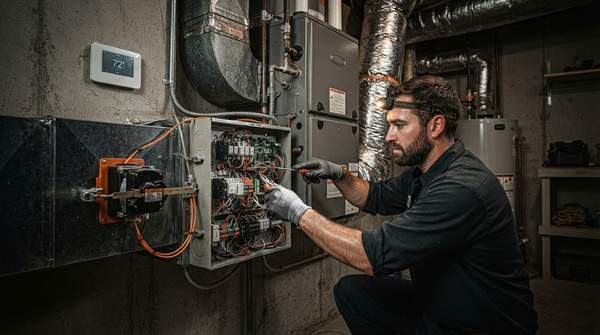
Mixing low-voltage communication wires with standard 120v electrical lines in the same box without proper rating can melt insulation and ignite a house fire. This oversight, cited by finehomebuilding, carries severe consequences, from property destruction to endangering lives.
Homeowners are increasingly empowered by DIY resources, but the hidden dangers and strict regulations of electrical work are often underestimated. The apparent simplicity of many guides dangerously obscures complex, code-mandated safety measures. Overlooked, these measures turn minor wiring mistakes into catastrophic fire hazards.
Many DIYers risk serious safety hazards and legal complications by undertaking electrical projects without fully understanding critical details and local requirements. This guide emphasizes safety and code compliance for home electrical wiring.
The First Rule of DIY Wiring: Check Local Codes
Before any physical work, verify local regulations. Homeowners must check with local or state building departments for required licenses or permits, according to finehomebuilding. Ignoring these bureaucratic hurdles leaves DIYers non-compliant and unsafe, risking legal issues or dangerous installations. Safe DIY electrical work demands navigating this regulatory landscape to protect both homeowner and property.
Choosing Your Materials Wisely
Selecting correct materials is fundamental. Copper is preferred for residential wiring due to its conductivity and corrosion resistance, according to Bretselectric. This choice ensures long-term safety and efficiency. Use appropriate wire gauges and insulation types to prevent overheating and shorts. Careful material selection minimizes future problems and enhances system reliability. Always consult product specifications to match components to your specific electrical load requirements.
Common Wiring Mistakes and How to Avoid Them
Specific code violations create significant safety hazards. When using nonmetallic sheathed cable (Romex), maintain a 1 1/4-inch clearance from a stud edge to protect wires from fasteners, states finehomebuilding. If boring closer, install a steel nail plate. Additionally, communication wires (phone, cable) cannot run into a box with 120v or higher lines unless the wire or box is specifically rated, finehomebuilding reports. These precise rules prevent accidental damage and dangerous electrical interactions, which could lead to fires or shocks. Overlooking these nuanced requirements turns simple carpentry into a significant, unseen risk.