
Home Wiring
8 articles

Standard, GFCI, or AFCI: How Each Residential Circuit Breaker Stops a Different Electrical Hazard
Residential circuit breakers protect homes from electrical hazards, but standard, GFCI, and AFCI types each guard against different dangers. Understanding these distinctions is crucial for ensuring proper electrical safety, as each breaker type responds to specific faults like overcurrents, ground leaks, or arc faults.
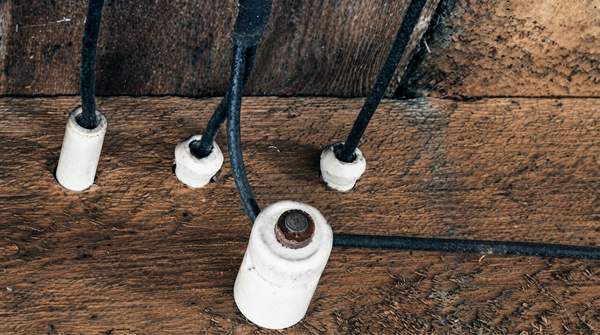
Knob & Tube, Romex, and Armored Cable: How to Identify Your Home's Wiring and Judge Its Safety
Learn to visually identify common residential wiring types like Romex, Knob & Tube, and Armored Cable. Understanding these systems, especially the presence of a ground wire, is crucial for assessing your home's electrical safety.
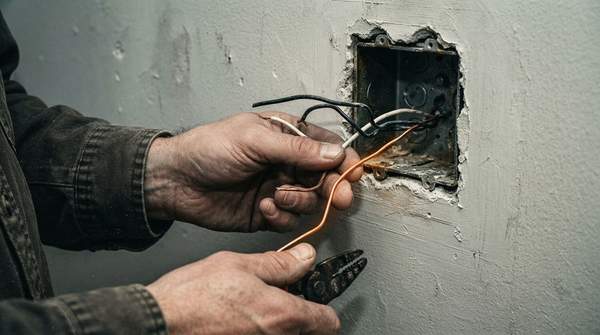
Grounding vs. Bonding: Two Separate Systems That Protect Your Home From Different Electrical Hazards
Grounding connects your home's electrical system to the earth to protect against external threats like lightning and surges, while bonding connects all metal parts together to clear internal faults by ensuring circuit breakers trip quickly.

How Residential Electrical Wiring Safety Circuits Troubleshooting Works
Even sporadic flickering lights, often dismissed as a minor annoyance, can be a critical warning sign of faulty wiring that leads to electrical fires.

What Are Residential Electrical Wiring Safety Standards and Why Do They Matter?
Annually, faulty electrical systems ignite over 111,000 home fires across the United States, leading to an average of 860 deaths and 3,785 injuries.

DIY Electrical Wiring: Safety, Codes, and Common Mistakes
Mixing low-voltage communication wires with standard 120v electrical lines in the same box without proper rating can melt insulation and ignite a house fire.

What Are Electrical Wiring Safety Fundamentals for Homeowners?
Home electrical fires account for an estimated 51,000 incidents each year, resulting in nearly 500 deaths, more than 1,400 injuries, and $1.

Electrical Wiring Safety Protocols and Techniques
Running a single extension cord in your home can create multiple points where cords can kink, short out, or get pinched, potentially leading to tripped breakers, damaged outlets, or even fire.