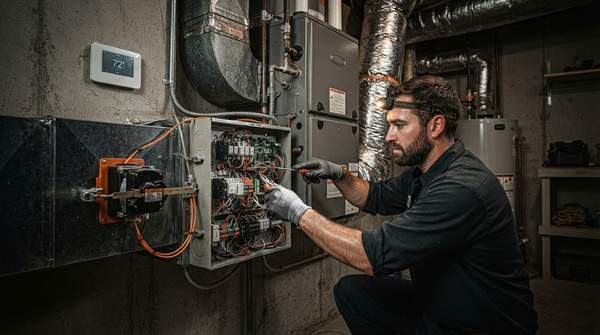
Electricians across the country report that 3 out of 10 service calls now involve correcting improperly executed DIY electrical work, often posing significant safety hazards (Electrical Safety Foundation International, 2024). Homeowners, emboldened by readily available information, increasingly tackle complex repairs themselves. This confidence often results in more dangerous and expensive problems, turning simple fixes into costly professional interventions. The apparent cost savings of DIY are illusory; homeowners subsidize their own mistakes. This trajectory suggests a future where basic trade skills are undervalued and under-resourced, potentially leading to a two-tiered system. Only specialized or emergency repairs may justify professional rates, leaving a gap for everyday maintenance and increasing safety risks.
The rise of DIY is undeniable. YouTube channels for home repair saw a 300% increase in viewership over five years, with plumbing and electrical 'how-to' videos among the most popular (Statista, 2023). This accessible content empowers homeowners. A Homeowner's Quarterly (2024) survey found 65% of homeowners attempted a significant repair last year, up from 30% a decade ago. They perceive 40-60% cost savings compared to hiring a professional (Consumer Reports, 2023). This combination creates a generation of confident, self-reliant homeowners eager to tackle projects once reserved for professionals.
The Hidden Costs of Self-Reliance
Homeowners are taking on basic tasks, but often with unintended consequences. The National Plumbers Association (2023) reported a 20% decrease in calls for minor repairs over three years. Yet, electricians confirm 3 out of 10 service calls correct improperly executed DIY electrical work, often posing safety hazards. This suggests homeowners are tackling minor issues, only to create larger, more dangerous problems. The average repair cost for a 'botched' DIY project is 1.5 times higher than if a professional had been called initially (Insurance Claims Data, 2023). A study found 70% of DIYers overestimate their skills, leading to abandonment or unsatisfactory results (Psychology of DIY Study, 2023). Initial savings are often negated by more expensive, dangerous fixes, shifting complexity and risk to professional trades.
Adapting to a New Landscape
Experienced tradespeople are pivoting. Many now offer specialized consultation or complex installations DIYers cannot replicate (Tradesmen's Guild Survey, 2024). This allows professionals to bypass basic DIY corrections. Some trade companies use platforms like TikTok and Instagram to showcase expertise and educate consumers on complex DIY risks (ProTrades Marketing Insights, 2023). Demand for highly specialized trades, like HVAC installation or structural engineering, remains robust, with a 7% annual growth rate (Industry Outlook Report, 2023). While some adapt by specializing or using new media, the overall ecosystem of everyday trade services faces significant disruption and devaluation.
The Erosion of Foundational Expertise
Enrollment in vocational training programs for skilled trades shows a stagnant 2% annual growth, despite a projected 10% demand increase by 2030 (Bureau of Labor Statistics, 2023). This talent gap exacerbates declining foundational skills. Insurance companies increasingly scrutinize claims linked to DIY work, sometimes denying coverage (Major Insurer Policy Update, 2024). indicating a growing recognition of DIY risks beyond immediate repair costs. Meanwhile, online forums like 'DIY Home Heroes' boast over 5 million active members sharing advice (DIY Home Heroes Community Report, 2024). For 80% of participants, the satisfaction of completing a DIY project outweighs potential cost savings (Home Improvement Psychology Journal, 2022). This cultural shift, driven by perceived savings and personal satisfaction, creates a dangerous feedback loop. Foundational trade skills are less valued and pursued, making true expertise scarce and costly, and compromising basic home safety.
By Q3 2026, many entry-level trade companies will likely struggle to find new talent, as vocational training enrollment appears to remain stagnant at 2% annually, according to the Bureau of Labor Statistics (2023).