If you suspect a water leak in your home, the most effective approach is to work in sequence: first confirm the leak exists using your water meter, then inspect the most common culprits—faucets, toilets, showers, and appliances—before deciding whether the fix is a DIY job or a plumber's. This guide walks through that diagnostic process and ends with a decision framework you can use to choose your next move. It covers common residential plumbing leaks only; it does not address commercial systems, major pipe replacements, repair costs, or water damage and mold remediation.
Step 1: Confirming a Leak with Your Water Meter
Start with a whole-house test at the meter. As Cal Water explains in its household leak-check guidance, turn off all water inside and outside your home, then observe the meter's test hand. If the hand moves while every fixture is shut off, water is pushing through the meter, which indicates a leak somewhere in your system.
Keep the limits of this test in mind: it confirms that a leak exists, but it does not tell you where. That means the meter test is your starting point, not your answer. A moving test hand means you move on to systematic inspection, fixture by fixture, until you find the source.
While you are at the meter, it is also worth looking between the meter and your house. Cal Water advises checking for wet spots along that stretch of pipe, since moisture there can indicate a leak in the supply line to the home or in a sprinkler system. Unexplained wet patches in the garden may similarly point to a fault in an irrigation system, according to the Water Corporation's leak detection guidance for Australian households.
Step 2: Pinpointing Leaks in Common Fixtures and Appliances
Once the meter confirms a leak, work through the fixtures most likely to be responsible. Toilets are a prime suspect because they can leak silently. The dye test is the standard method: drop a dye tablet or a little dark food coloring into the toilet tank, do not flush, and wait to see whether color appears in the bowl. Cal Water and the Regional Water Providers Consortium both describe this test; if colored water shows up in the bowl without a flush, the toilet is leaking. You can also listen for the sound of running water coming from the toilet, which the utility guidance identifies as another sign of a leak.
The Water Corporation lists additional toilet warning signs: water dripping from the cistern into the bowl, water around the base of the toilet, and staining where water runs down the bowl. Water around the base in particular deserves attention, because it points to a different failure than a worn flapper.
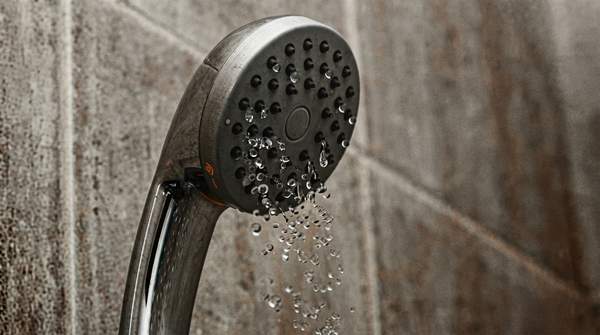
Next, check faucets and showerheads. Look for drips from the spout or showerhead, including when the fixture is fully closed, and inspect for corrosion at connections. A dripping tap may be caused by nothing more than a worn washer, which the Water Corporation notes is often a simple replacement.
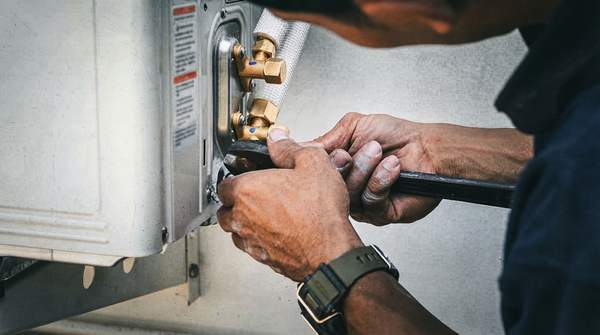
Finally, inspect the areas around appliances and under sinks. First Alert's home safety guidance, written by Andrew Lounsbury, recommends examining kitchen appliances, faucets, showerheads, and connections for any signs of drips or moisture. It also suggests checking your HVAC system: an overflowing drip pan or a blocked or leaking condensation line indicates a clog or improper drainage. The Regional Water Providers Consortium adds an audible cue for hidden systems—continuous running water sounds that never stop and start can point to an underground leak in a boiler system.
Water Leak Diagnostic & Action Framework
The framework below maps each detection method to what you are testing, what a positive result means, and the recommended action. Use it to move from a confirmed leak to a specific decision.
| Detection Method | Location / Symptom | Finding | Recommended Action |
|---|---|---|---|
| Water meter test | Whole house | Test hand moves after all water is turned off, confirming a leak somewhere—but not where. | Proceed to fixture-by-fixture inspection. |
| Toilet dye test | Toilet | Dye appears in the bowl without flushing; the flapper or fill valve is leaking. Wait 15–20 minutes before judging. | Replace flapper or fill valve—typically a DIY task. |
| Visual inspection | Faucets & showerheads | Drips or corrosion, often from worn washers or seals. | Replace the washer—usually a DIY repair with basic tools. |
| Visual inspection | Under sinks & appliances | Puddles, wet spots, or rust stains at supply lines, drains, or appliance connections. | Tighten loose connections yourself; call a plumber if leakage persists. |
| Audible check | Toilet or boiler | Continuous running-water sound that does not stop and start. | For a boiler system, call your plumber—possible underground leak. |
| Outdoor check | Lawn & garden | Soft spots on the lawn, unexplained wet patches. | Suspected irrigation or supply-line leak—contact a plumber or landscape specialist. |
| Decision criteria | Hidden leaks | Leak behind walls, under floors, underground, or from a water heater. | Call a professional—complex to locate and risky to mishandle. |
Read down the first column in order: the meter test comes first because it confirms the problem; the fixture checks follow because they isolate it. Each row's recommended action is the decision point.
DIY Fix or Professional Help? Making the Right Decision
The dividing line between DIY and professional work is the leak's location and complexity. Simple, visible issues are usually DIY-friendly. A dripping tap can often be fixed by replacing a worn washer, per the Water Corporation. The Regional Water Providers Consortium says the same about faucet and showerhead washers: unscrew the faucet and replace the washer with one of the same size—one important precaution it gives is to close your home's main shut-off valve before starting that repair.
A leak you cannot locate, or one that keeps coming back, changes the calculus. First Alert's guidance is direct: persistent or recurring leaks, or a leak you have detected but cannot find, are a signal to call a professional plumber. Major or complex leaks and flooding usually require a comprehensive assessment and may need a leak detection specialist, who can use infrared cameras, moisture meters, and acoustic sensors to pinpoint hidden leaks without causing additional damage.
Hidden locations tilt the decision firmly toward a pro. Leaks behind walls, under floors, underground, or in a boiler system are difficult to reach and repair, and mishandling them can cause significant damage. The Regional Water Providers Consortium advises calling your plumber for a suspected underground boiler leak, and contacting a plumber or landscape maintenance specialist for sprinkler repairs. Be honest with yourself about your own skill level and comfort with plumbing tasks before attempting any repair, even a simple one—a botched DIY fix on an accessible fixture can cost more than the original repair.
One caveat from the Regional Water Providers Consortium applies to overflow discharge lines: if the discharge is piped into a sewer or drainage line, you may not find any visible sign of a leak at all. In that case, listening for continuous running water is your best diagnostic before calling for help.
Your Next Step: Stop the Leak and Save Water
Your decision path is straightforward. Confirm the presence of a leak using your water meter, then systematically inspect the common household fixtures: toilets with a dye test, faucets and showerheads for drips and corrosion, and under sinks and around appliances for moisture. Based on the leak's location and complexity, either proceed with a simple DIY repair—shutting off the main valve first—or contact a qualified plumber for hidden, persistent, or complex problems.
The measurable indicator of success is concrete: a stationary water meter test hand after all water is turned off, or the absence of visible drips and wet spots. According to WaterSense figures cited by the Regional Water Providers Consortium, 10 percent of homes have leaks wasting 90 gallons or more per day, so a twenty-minute check today can save hundreds to thousands of gallons. Once your meter's test hand stays still with everything off, you will know the leak is fixed.
Sources
- How To: Check for Household Leaks — Cal Water
- How to Detect A Water Leak - Water Corporation — Watercorporation
- How to Find and Detect Water Leaks at Home — First Alert
- Household Leak Detection — Regional Water Providers Consortium