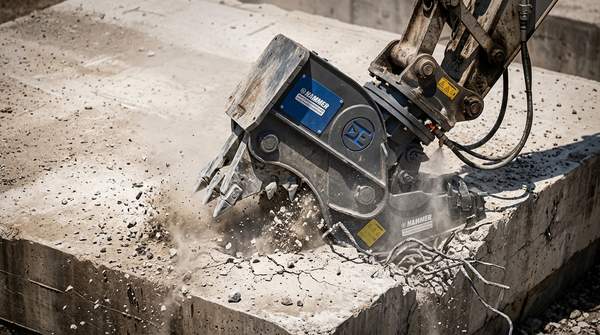
Bedrock Robotics, an autonomous construction tech startup, secured $270 million in Series B funding, pushing its total investment beyond $350 million, according to Electrek. Massive capital signals a strategic pivot: automation will transform project delivery. The construction industry faces a paradox. A job boom exists, but huge investments flow into tech designed to automate tasks and reduce human labor. This current employment surge is likely a temporary peak before a significant shift to an automated, less labor-intensive workforce, demanding adaptation from workers and industry leaders.
The Unprecedented Boom: Data Centers Drive Construction Growth
- 9.3% — Kansas City's data center construction boom drove a 9.3% increase in construction employment last year, according to thebeaconnews. The 9.3% increase in construction employment indicates high immediate demand for skilled trades.
- 1,500 — Meta's Northland data center campus drew an average of 1,500 skilled trade workers at its peak, according to thebeaconnews. Large-scale projects temporarily absorb significant local labor.
- 1,000 — Google's first Kansas City-area campus, a billion-dollar project, reportedly draws 1,000 construction workers, according to thebeaconnews. The demand for 1,000 construction workers shows the scale of current infrastructure development.
- $6.6 billion — The Nebius Independence campus, a $6.6 billion project, expects to employ 1,200 people during construction, according to thebeaconnews.
- $3.1 billion — The De Soto City Council approved plans for a $3.1 billion data center, according to thebeaconnews.
These figures show massive, immediate demand for human labor on large infrastructure projects. However, the Kansas City data center boom, despite driving a 9.3% increase in construction employment, is a temporary mirage. Bedrock Robotics' funding points to the real long-term trend: a strategic pivot toward a leaner, automated workforce. This will reshape the industry far beyond this current peak, creating a short-term paradox where growth fuels its own long-term obsolescence.