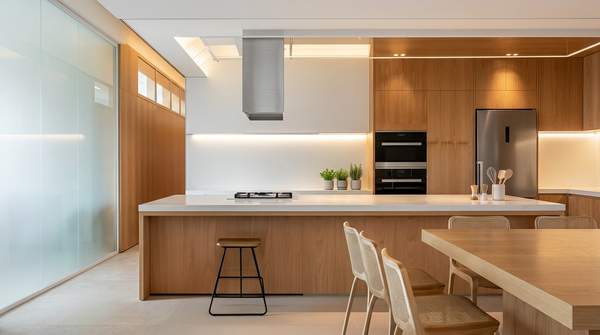
In Palo Alto, California, a home renovation is underway, not merely expanding a kitchen or adding a bathroom, but specifying reclaimed lumber, high-performance insulation from recycled materials, and zero-VOC (volatile organic compound) paints. This project reflects a significant and growing demand for eco-friendly sustainable materials in construction and home services. This shift is not isolated; it is a pattern emerging in residential projects across the country, compelling trades professionals to adapt their practices, materials knowledge, and understanding of a new regulatory landscape. Adherence to these evolving standards is paramount for compliance and competitiveness.
What People Are Doing Differently
Sustainability is manifesting in specific, measurable ways: homeowners actively select materials, prioritizing long-term performance and environmental impact over short-term cost savings. This behavioral change is evident in new builds and increasingly in renovation projects. The focus has expanded from simple energy-saving light bulbs to a comprehensive, whole-house approach to efficiency and material health.
According to 2024 data on sustainable home construction practices in the United States published by Statista, several key practices have become central to green building projects. These preferences illustrate a clear hierarchy in what consumers and builders consider most important for achieving a sustainable outcome. The most prominent changes in homeowner and builder behavior include:
- Prioritizing Energy Efficiency: The most significant focus is on creating a tight thermal envelope. This involves specifying energy-efficient windows and doors, which prevent heat loss in winter and heat gain in summer. It also includes the use of advanced insulation materials that exceed basic code requirements, reducing the long-term energy consumption required for heating and cooling.
- Selecting High-Efficiency Appliances: Homeowners are increasingly demanding Energy Star-rated appliances, HVAC systems, and water heaters. The decision-making process now frequently involves a careful analysis of an appliance's lifecycle energy cost, not just its initial purchase price. This demonstrates a shift toward valuing operational savings and reduced environmental footprint.
- Water Conservation Measures: Beyond energy, water usage is a critical concern. The installation of low-flow fixtures, such as toilets, showerheads, and faucets, has become a standard request in bathroom and kitchen remodels. Some projects also incorporate more advanced systems like rainwater harvesting and greywater recycling for landscaping purposes.
- Sustainable Material Sourcing: There is a growing preference for materials that are renewable, recycled, or locally sourced to reduce transportation-related emissions. This includes materials like bamboo flooring, countertops made from recycled glass, and lumber certified by the Forest Stewardship Council (FSC), which ensures it comes from responsibly managed forests.
The definition of a well-built or well-renovated home is fundamentally re-evaluated; quality now expands beyond durability and aesthetics to encompass operational efficiency and environmental responsibility. For trades professionals, this means the scope of work often includes advising clients on the benefits and proper installation of these sustainable options.
Why is Demand for Sustainable Construction Increasing?
The accelerating adoption of green practices is not a singular phenomenon, but the result of converging economic, regulatory, and psychological factors. Understanding these drivers—including both top-down regulatory pressures and bottom-up consumer demand—is essential for any professional in the construction and home services sectors to anticipate future trends and client expectations.
One of the most significant drivers is evolving government policy. In states like California, changes in housing policy have made it easier for homeowners to build accessory dwelling units (ADUs), as reported by USA Today. These regulatory changes, designed to address housing shortages, have unlocked a wave of small-scale construction projects where homeowners often choose to incorporate modern, energy-efficient designs and materials from the outset. This creates a powerful incentive structure where policy directly facilitates the adoption of green building standards on a project-by-project basis.
Economic conditions also play a crucial role. In markets with high property values and limited housing supply, such as Palo Alto, homeowners are choosing to invest in renovating their existing properties rather than moving. These substantial renovation projects, which often include structural improvements and system modernizations, provide a natural opportunity to upgrade to more sustainable and efficient technologies. The long-term return on investment from lower utility bills, combined with potential tax credits and rebates for green upgrades, makes the financial case for sustainability increasingly compelling.
The transition to green home investment faces friction. An empirical study published June 2024 in Frontiers investigates individual resistance, identifying "status quo bias"—the tendency to prefer the current state—and "inertia"—resistance to active choice—as significant barriers. Even when homeowners are aware of benefits, the perceived effort and uncertainty of adopting new materials or technologies can lead them to stick with conventional, less-sustainable options. Overcoming this requires clear communication from contractors about tangible benefits, simplified installation processes, and proven reliability of green alternatives. Ensure all personnel are adequately trained to explain these complex trade-offs to clients.
Sustainable Practices Transforming Home Services: A Palo Alto Case Study
Palo Alto, California, situated in Silicon Valley, exhibits high property values, an environmentally conscious populace, and a challenging housing market. These factors have fueled a boom in home renovations, additions, and ADU construction, with sustainability emerging as a core component of these projects, mirroring national trends locally.
According to a recent report, homeowners in the area are increasingly channeling their investments into significant remodeling efforts. These projects frequently involve comprehensive kitchen and bathroom upgrades, modernization of electrical and plumbing systems, and structural improvements. Within this context, there is reportedly a growing interest in energy-efficient design. Homeowners are actively incorporating features aimed at reducing their home's environmental impact and operational costs. This includes specifying improved insulation to create a more stable indoor climate, installing modern energy-saving appliances, and selecting sustainable building materials for finishes and structural elements.
Revised state and local regulations, streamlining approval for secondary living units, directly drive the rise of ADUs in Palo Alto. California's housing policy empowers homeowners to add these smaller-footprint homes, often designed with sustainability as a primary goal. Contractors report ADU clients specifically focus on high-performance windows, efficient mini-split HVAC systems, and solar-ready electrical panels, demonstrating a clear link between regulatory facilitation and green building principles.
Contractors working in California must deeply understand Title 24, the state's stringent building energy efficiency standards, as non-compliance results in project delays and severe penalties. Palo Alto trends illustrate that sustainability demand is not merely aesthetic, but deeply intertwined with regulatory compliance, economic necessity, and a sophisticated consumer base valuing long-term performance.
What This Means for the Future of Construction and Home Services
The growing emphasis on sustainability is set to redefine standards and practices across the trades. This evolution presents both challenges and opportunities for contractors, suppliers, and skilled professionals. KPMG's forthcoming "Global Construction Survey" for 2025/2026 signals these issues are now at the forefront of the global industry's strategic planning. Professionals who proactively adapt will be best positioned for success.
For contractors and tradespeople, continuous education is crucial; proficiency in conventional materials is no longer sufficient. Expertise is now required in air sealing, high-performance window installation, and proper handling of reclaimed wood or recycled-content insulation. Understanding building envelopes and energy modeling will become a competitive advantage. Staying informed on the latest safety protocols for new materials and technologies is critical, as adherence protects both workers and end-users.
The supply chain will also undergo a significant transformation. The demand for certified sustainable products will pressure distributors and manufacturers to enhance transparency and provide clear documentation, such as Environmental Product Declarations (EPDs). This will likely lead to greater availability and potentially lower costs for green materials over time as economies of scale are achieved. However, in the short term, professionals must be prepared for potential sourcing challenges and longer lead times for specialized products.
From a regulatory perspective, the trend suggests a future with more stringent building codes. Jurisdictions across the country are likely to follow the lead of states like California, incorporating higher energy efficiency requirements and potentially mandating certain sustainable practices for new construction and major renovations. Professionals must remain vigilant, monitoring changes in local and national codes to ensure all projects are compliant. Failure to comply may result in rejected permits, costly rework, and damage to a firm's reputation.
Key Takeaways
- A clear behavioral shift is underway, with homeowners actively demanding sustainable materials and energy-efficient designs in construction and renovation projects, moving beyond surface-level changes to a whole-house approach.
- This trend is propelled by a combination of factors, including regulatory incentives like streamlined ADU policies, economic realities in tight housing markets, and growing consumer awareness, though psychological barriers like status quo bias can still slow adoption.
- Specific practices gaining traction include the installation of high-performance windows and insulation, the selection of energy-efficient appliances and HVAC systems, and the use of materials that are recycled, renewable, or responsibly sourced.
- For trades professionals, this shift necessitates continuous education on new materials, installation techniques, and evolving green building codes to ensure safety, compliance, and competitiveness in a changing market.