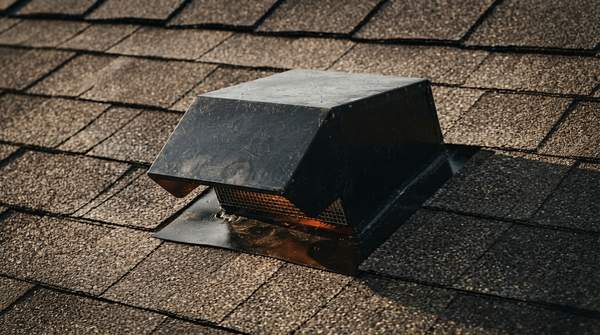
The right attic ventilation system is less about picking a single "best" vent and more about pairing the right exhaust vent—ridge, power, turbine, or static—with adequate soffit intake for your roof design and climate. Attic ventilation directly affects how long your shingles last, how hard your air conditioner works, and whether mold or ice dams develop. Here is how to compare the four main exhaust vent types and diagnose whether your current system is failing.
Understanding Attic Ventilation: Why It Matters
Attic ventilation is easy to ignore until something breaks. Home improvement writers at Home Genius Exteriors note that most homeowners only think about it when ice dams form, a roof fails prematurely, or mold appears. The stakes are real: improperly ventilated attics can reach 140°F or higher on hot summer days, which degrades shingles over time. Trapped warm, moist air also encourages mold growth in a dark attic space—a health risk, not just a structural one.
The performance connection runs in both directions. Poor ventilation lets hot, moist air accumulate and radiate into living spaces, increasing the burden on your air conditioning system and raising energy bills. Properly insulated and ventilated attics, by contrast, allow that air to escape through the top of the roof instead. The Roofing Contractors Association of Washington adds that adequate ventilation reduces heat strain and improves energy efficiency, and in snowy regions, keeping the attic closer to outside temperature prevents the uneven snowmelt that forms ice dams at the roof's edge.
There is also a contractual reason to care: many shingle manufacturers require adequate ventilation to keep warranties valid, according to roofing contractor Classic Construction. A poorly vented attic can quietly void coverage you may need later.
The Importance of a Balanced System: Intake and Exhaust
Vents work as a system, not as individual components. Roof ventilation falls into two categories: intake vents, which let fresh air in—typically at the soffits under the eaves—and exhaust vents near or along the roof's peak, which let hot, humid air escape. Classic Construction emphasizes that a properly balanced system relies on both working in coordination rather than either one operating alone, creating continuous airflow through the attic space.
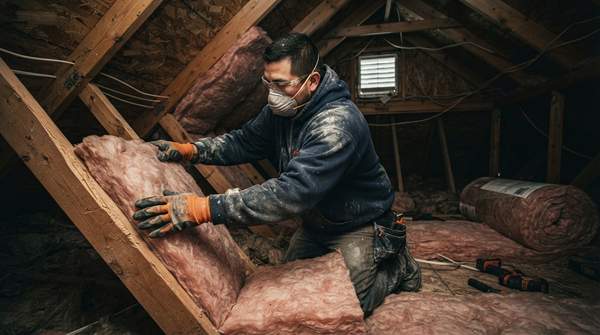
Intake is where systems most often fail. RoofingDirect.com's troubleshooting guidance highlights a common culprit: insulation blocking the eave and intake vents, which starves the exhaust side of the system. An exhaust vent without matching intake cannot move air it never receives, so adding more exhaust to a struggling roof sometimes accomplishes nothing.
Compatibility matters too. Mixing incompatible exhaust systems—such as ridge vents and power vents on the same roof—can reduce overall efficiency, Classic Construction warns. The exhaust side should be a single, coherent strategy. When intake and exhaust are balanced, the attic stays drier and closer to outdoor temperature, which is the goal in both summer and winter.