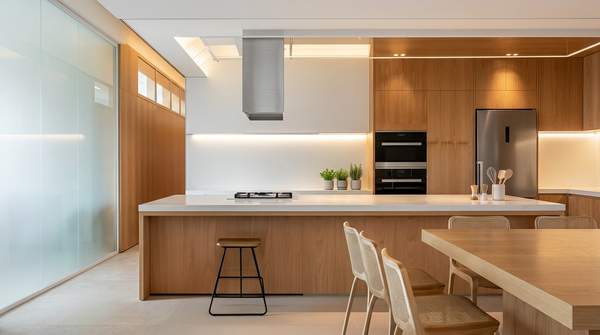
Imagine a construction site where 83.2% less waste goes to landfill. This reduction is not theoretical; modern prefabrication techniques enable this reality, drastically cutting down material excess and disposal costs. The waste savings alone represent a significant financial opportunity for builders, directly impacting project budgets and environmental footprints.
Yet, sustainable building materials, despite offering substantial environmental and efficiency gains, face lagging widespread adoption due to entrenched industry norms. This resistance locks companies into less efficient, more wasteful practices, hindering progress towards a greener construction sector.
Companies that embrace innovative materials and methods will gain a competitive edge in a rapidly evolving market. Conversely, those that fail to adapt risk obsolescence and increased regulatory pressure as environmental standards tighten. The industry's deep-seated resistance to advanced eco-friendly materials and prefabrication is not merely an environmental oversight; it is a direct impediment to its own immediate profitability and long-term structural resilience.
Beyond Traditional: Smart Materials and Waste-Reducing Methods
The construction industry's slow adoption of innovative practices means it often generates over 80% more construction waste than necessary, incurring avoidable disposal costs and undermining environmental goals. Smart, adaptive materials, combined with advancements like prefabrication, offer a path to significantly lower operational costs over a building's lifetime, extending lifespan and enhancing comfort by responding to environmental changes, according to SFS USA. Prefabrication alone can reduce construction waste by up to 83.2%, as noted by the same source. Ignoring these methods means actively sacrificing efficiency and profitability for outdated practices. The future of green building lies in materials that actively improve building performance and construction methods that drastically minimize waste.
1. Bamboo: A Rapidly Renewable Resource
Best for: Structural elements, flooring, cladding, decorative finishes
Bamboo is confirmed as a sustainable building material, capable of sequestering up to 12 tonnes of CO2 per hectare per year, according to Chaos and Contractor Foreman. Its rapid growth cycle makes it an excellent alternative to slower-growing timber.
Strengths: High strength-to-weight ratio | Excellent CO2 sequestration | Rapidly renewable | Limitations: Requires treatment for durability | Can be susceptible to moisture if not properly sealed | Limited structural applications in some codes | Price: Moderate
2. Raw Earth: Low Carbon Footprint
Best for: Walls (rammed earth, adobe), insulation, thermal mass
Raw earth construction has just 1/40 the carbon footprint of concrete, making it a highly sustainable choice, according to Contractor Foreman. It utilizes readily available local resources, reducing transportation emissions.
Strengths: Extremely low embodied energy | Excellent thermal mass | Breathable | Non-toxic | Limitations: Labor-intensive | Requires protection from water | Not suitable for all climates | Price: Low to Moderate (depending on labor)
3. Hemp: Carbon Absorbing Versatility
Best for: Insulation (hempcrete), wall panels, fiberboards
Hemp is capable of absorbing 13 tonnes of CO2 per hectare during its growth, making it a carbon-negative material, according to Contractor Foreman. Hemp-based materials offer good thermal and acoustic properties.
Strengths: Carbon-negative | Good insulation properties | Lightweight | Durable | Limitations: Limited availability in some regions | Higher upfront cost for specialized products | Requires specific binders | Price: Moderate to High
4. Cork: Renewable and Insulating
Best for: Insulation, flooring, wall coverings, acoustic panels
Cork is a naturally regenerating sustainable material, harvested from the bark of cork oak trees without felling them, as stated by Chaos. This makes it a highly renewable resource with excellent thermal and acoustic properties.
Strengths: Excellent thermal and acoustic insulation | Naturally fire-resistant | Renewable | Lightweight | Limitations: Can be more expensive than synthetic alternatives | Limited structural applications | Price: Moderate to High
5. Responsibly Managed Timber: Verified Sustainable Wood
Best for: Structural framing, cladding, flooring, joinery
Responsibly managed timber is a naturally regenerating sustainable material when sourced from certified forests, according to Chaos. Certification ensures sustainable harvesting practices and forest regeneration.
Strengths: Renewable | Excellent strength-to-weight ratio | Good thermal performance | Aesthetically versatile | Limitations: Requires proper treatment for moisture/pests | Embodied energy varies with transportation | Price: Moderate (varies by species and certification)
Weighing Your Options: A Comparative Look at Sustainable Materials
Understanding the nuanced trade-offs between various sustainable materials is crucial for making informed decisions that balance environmental responsibility with project feasibility. This includes evaluating initial investment against long-term operational savings. Specific material choices impact a building's energy consumption over its lifetime, influencing overall cost and sustainability.
| Material | Primary Environmental Benefit | Renewability | Durability | Average Cost (per unit) | Common Applications |
|---|---|---|---|---|---|
| Bamboo | High CO2 sequestration (12 tonnes/ha/year) | Very High (rapid growth) | Good (with treatment) | $3-$7 per linear foot (flooring) | Flooring, cladding, structural elements |
| Raw Earth | Extremely low carbon footprint (1/40 of concrete) | High (local sourcing) | High (when protected) | $0.50-$2 per block (adobe) | Walls, thermal mass |
| Hemp | Carbon-negative (absorbs 13 tonnes CO2/ha) | High (fast-growing crop) | Good (hempcrete) | $1.50-$3 per board foot (insulation) | Insulation, wall panels |
| Cork | Naturally regenerating bark | High (harvested without felling) | Good (flexible) | $5-$10 per square foot (flooring) | Insulation, flooring, acoustic panels |
| Responsibly Managed Timber | Renewable forest resource | High (certified forests) | High (species dependent) | $2-$5 per board foot (framing) | Structural framing, cladding, flooring |
Our Approach: How Identified Top Eco-Friendly Materials
Identified top eco-friendly materials through a rigorous, evidence-based methodology. Our assessment prioritized quantifiable metrics like carbon sequestration and embodied energy, alongside comprehensive lifecycle assessment data from production to disposal. Beyond environmental impact, we weighed supply chain transparency and ethical sourcing, excluding materials from regions with questionable labor practices or unsustainable harvesting. This systematic review ensures recommended materials are truly impactful, moving beyond superficial green claims to promote long-term building sustainability and offer a clear decision-making framework for professionals.
Building Smarter, Living Greener: The Path Forward
Embracing eco-friendly building materials is not merely an environmental imperative but a strategic business advantage, fostering resilient, efficient construction. Companies integrating innovations like smart materials and prefabrication meet increasing consumer demand and prepare for stricter environmental regulations. Conversely, the industry's deep-seated resistance directly impedes immediate profitability and long-term structural resilience. Firms clinging to traditional on-site methods sacrifice efficiency and incur higher operational costs, trading immediate familiarity for long-term financial and environmental burdens.
Common Questions About Sustainable Building Materials
Are sustainable building materials more expensive?
While some eco-friendly materials may have a higher upfront cost, their long-term value often surpasses traditional options. For instance, materials with superior insulation properties can drastically reduce energy bills over a building's lifespan, leading to significant operational savings. Additionally, government incentives and evolving supply chains are making sustainable options more competitive. For more, see our What are sustainable insulation materials.
By Q3 2026, firms failing to adopt these practices will likely face significant competitive disadvantages as material costs fluctuate and demand for green construction grows, with leaders like GreenBuild Homes already projecting 25% higher profit margins on sustainable projects.