What are basic wood joinery techniques for DIY furniture?

Re-gluing a basic end grain to end grain joint after just a 15-minute pause can increase its strength by over 40%.

SR
Scott Ramirez

May 19, 2026 · 4 min read

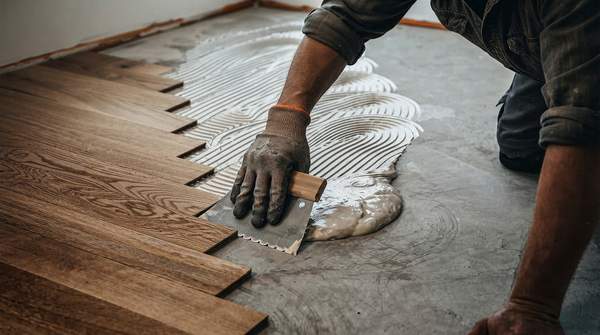
Skilled hands demonstrating basic wood joinery techniques with glue and clamps on a furniture piece in a workshop.

Re-gluing a basic end grain to end grain joint after just a 15-minute pause can increase its strength by over 40%, boosting its breaking point from 240 PSI to 340 PSI, according to Woodworkweb. For DIY furniture projects, understanding such basic wood joinery techniques can dramatically improve durability.

Many DIYers shy away from complex joinery, assuming intricate methods are always superior for strong connections. However, even basic techniques, when properly executed, can provide surprising strength and durability for homemade furniture. This often leads to overcomplicating projects with unnecessary steps.

Understanding the actual strength profiles of various joints, rather than relying on common assumptions, is crucial for successful and lasting home improvement projects. This knowledge allows builders to prioritize effective, durable construction over perceived difficulty, making the most of their time and materials.

The Foundation of Furniture: Why Joints Matter

The durability of any furniture piece directly correlates with the quality of its joints. These connections bear the load and stress of daily use, making their integrity paramount for a lasting build. A poorly executed joint can lead to structural failure, even if the surrounding wood is sound.

Mastering joinery, even in its most basic forms, provides a critical advantage. Axminster Tools confirms that furniture's strength and durability directly depend on joint quality. Ignoring this fundamental consideration compromises structural integrity, leading to premature damage and repairs.

Beyond the Butt Joint: Surprising Strength Comparisons

Different joinery methods yield vastly different strength results, challenging common assumptions about complexity and effectiveness in DIY furniture. For instance, a simple end grain to end grain joint using a biscuit achieves a strength of only 130 PSI, as reported by Woodworkweb. This figure is significantly lower than a basic glued end-grain joint.

In comparison, an end grain to end grain joint utilizing three dowels reaches 320 PSI, indicating a substantial improvement over the biscuit method. Even more impressive, an end grain to end grain joint prepared with a Freud Finger Joint Router Bit delivers a robust 540 PSI. These comparisons reveal that perceived complexity does not always correlate with superior strength, and some common mechanical aids can even weaken a joint compared to simpler, well-executed alternatives.


The perception that mechanical fasteners like biscuits always improve joint strength is challenged by Woodworkweb's findings, which show a properly re-glued end-grain joint can be over twice as strong as a biscuit joint. Woodworkers seeking maximum strength from simple end-grain connections should prioritize mastering glue application techniques or investing in specialized tooling like a finger joint router bit, as Woodworkweb's tests show it delivers more than double the strength of a basic glued joint.

Elevating Simplicity: Making Basic Joints Stronger

Even the simplest joints can be significantly improved with basic techniques, enhancing their suitability for various woodworking projects. A butt joint, often considered the most basic, can achieve greater strength through specific reinforcements. This method directly connects two pieces of wood end-to-end or edge-to-edge.

According to Wood Magazine, butt joints can be made stronger with glue blocks or screws. These additions distribute stress over a larger area or provide mechanical reinforcement, significantly increasing the joint's resistance to separation. Applying glue blocks, which are small pieces of wood glued into the internal corner of a butt joint, adds considerable shear strength.

Smart reinforcement transforms even the most basic joints into robust solutions, expanding their project suitability. This confirms that effective joinery prioritizes optimizing simple connections for maximum performance, not complex tools or advanced skills.

Your Project's Lifespan: The Real-World Impact of Joint Choice

Connecting the technical details of joint strength to the practical, long-term success of a DIY furniture project is essential for any woodworker. The choice of joinery directly influences how long a piece of furniture will last and how well it will withstand daily use and environmental stresses.

Rigorous testing reveals the tangible impact of joint selection on project longevity and reliability, directly affecting a DIYer's investment. Fine Woodworking reported 18 popular joints tested to their breaking point in a Rhode Island lab. Such empirical data offers concrete evidence for informed decision-making.

Ignoring strength profiles leads to premature failure and costly repairs. Conversely, proper joinery ensures projects endure, offering lasting utility. This shift towards durability creates a more rewarding and sustainable approach to DIY woodworking, moving beyond temporary fixes.

Resources for Mastering Joinery Techniques

What are the 4 basic wood joints?

Four basic wood joints include the butt joint, miter joint, rabbet joint, and dado joint. These foundational joints serve as building blocks for most woodworking projects, offering different strengths and aesthetic qualities depending on their application. Understanding these initial forms helps in progressing to more complex joinery.

What is the easiest wood joint for beginners?

The butt joint is often considered the easiest wood joint for beginners due to its straightforward nature. It involves simply joining two pieces of wood end-to-end or edge-to-edge. Reinforcements like glue blocks or screws can be added to increase its strength without requiring complex cuts or specialized tools, making it ideal for learning basic wood joinery techniques.

What are the most common wood joints used in furniture making?

Common wood joints in furniture making include mortise and tenon, dovetail, and various forms of reinforced butt joints. For instance, the Woodsmith Box Joints plan is available as a downloadable PDF for $9.95, offering detailed instructions for a strong and attractive joint frequently used in drawers and boxes. This plan, also available in a printed format for $15.95, provides 4 printable pages of step-by-step guidance for a robust connection.

Build Smarter, Not Harder

By 2026, DIYers who master fundamental glue application and joint reinforcement will likely create more durable furniture, potentially saving significant time and material costs in the long run.