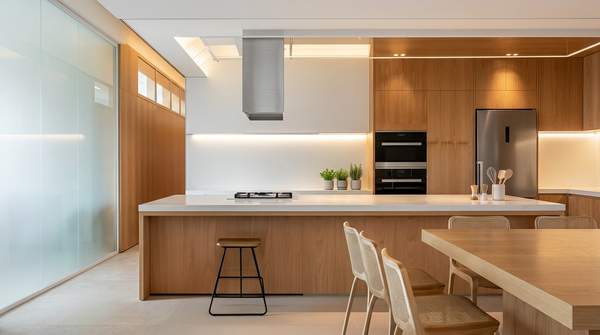
Green-certified homes consistently sell for 8% more than their conventional counterparts, according to a comprehensive Earth Advantage Study. The 8% premium boosts market value, directly benefiting homeowners.
Many homeowners hesitate to invest in eco-friendly upgrades due to perceived upfront costs. Yet, these projects consistently deliver significant long-term financial savings and increase property value. The significant long-term financial savings and increased property value create a tension between initial outlay and future gain.
Eco-friendly home improvements are a highly profitable and environmentally responsible investment. Even minor upgrades, such as $10-$20 low-flow fixtures, contribute to a home's green status. A home's green status commands an 8% higher market value, far exceeding direct utility savings alone. Homeowners who fail to pursue green certification effectively forego an 8% increase in their property's market value—a tangible financial loss that outweighs typical renovation costs.
Top Eco-Friendly Upgrades That Boost Value
These projects offer a clear return on investment, delivering immediate savings and boosting resale potential.
1. ENERGY STAR Certified High Efficiency Water Heater (with Heat Pump)
Best for: Homeowners seeking significant annual energy savings.
This water heater saves about $550 annually for a household of 4, according to ENERGY STAR. It drastically cuts energy consumption.
Strengths: Substantial annual savings; High energy efficiency | Limitations: Higher initial cost; Installation complexity | Price: Moderate to High
2. Attic Insulation & Air Sealing
Best for: Homeowners battling high heating and cooling costs.

Sealing air leaks and insulating your attic saves up to 10% on annual energy bills, reports ENERGY STAR. Heating and cooling consume almost half of the average American household's annual energy bill—over $900. Because heating and cooling consume almost half of the average American household's annual energy bill—over $900—addressing this area is crucial for efficiency.
Strengths: Significant energy bill reduction; Improved home comfort | Limitations: Requires professional assessment; Potential for dust during installation | Price: Low to Moderate
3. ENERGY STAR Certified Windows
Best for: Homeowners looking to reduce energy loss and improve aesthetics.
ENERGY STAR windows lower household energy bills by an average of 12 percent, according to ENERGY STAR. Since fenestration accounts for 40% of a home’s energy loss, upgrading windows significantly impacts overall efficiency. They can contribute to reducing energy bills by as much as 30% as part of a comprehensive eco-friendly home system, states Zenith Design Build.
Strengths: Major energy savings; Enhanced curb appeal; Noise reduction | Limitations: High upfront cost; Installation can be disruptive | Price: High
4. Solar Panel Systems
Best for: Homeowners aiming for long-term energy independence and tax benefits.
Homeowners received a 30% tax credit in 2022 via the Investment Tax Credit, and a 26% tax credit in 2023, notes Zenith Design Build. These systems, as part of an eco-friendly home, can reduce energy bills by up to 30%. The 30% tax credit in 2022, 26% tax credit in 2023, and up to 30% reduction in energy bills provide significant financial incentives.
Strengths: Substantial energy bill reduction; Tax credits; Increased property value | Limitations: Very high initial cost; Roof suitability requirements | Price: Very High
5. Low-Flow Fixtures
Best for: Homeowners seeking inexpensive, high-impact water savings.
Low-flow fixtures save 25%-60% on water, according to Zenith Design Build. Priced at $10-$20 each, they are an accessible upgrade for any budget.
Strengths: Very low cost; Easy installation; Immediate water savings | Limitations: Minimal direct energy savings; Perceived lower water pressure | Price: Very Low
6. Smart Lighting
Best for: Homeowners wanting convenience and incremental energy savings.
Smart lighting contributes to reducing energy bills by up to 30% when integrated into an eco-friendly home with solar panels and double-glazed windows, reports Zenith Design Build. Smart lighting technology offers customizable light control and automation.
Strengths: Convenience; Moderate energy savings; Long lifespan bulbs | Limitations: Initial setup cost; Requires smart home hub | Price: Moderate
Comparing Investment vs. Return
Initial costs vary, but cumulative savings and increased property appeal often outweigh the upfront investment. Strategic planning is key.
| Eco-Friendly Upgrade | Initial Investment (Conceptual) | Annual Savings Potential | Property Value Impact | Ease of Implementation |
|---|---|---|---|---|
| ENERGY STAR Water Heater | Medium | High | Medium | Medium |
| Attic Insulation & Air Sealing | Low | High | Medium | Medium |
| ENERGY STAR Windows | High | High | High | Medium |
| Solar Panel Systems | Very High | Very High | Very High | Complex |
| Low-Flow Fixtures | Very Low | Medium | Low | Easy |
| Smart Lighting | Low | Medium | Low | Easy |
The Irrefutable Case for Green Homes
Eco-friendly upgrades are a mainstream strategy for enhancing personal finances and environmental stewardship. Even minimal investments, like $10-$20 low-flow fixtures, make green improvements accessible and highly profitable for any homeowner. These changes contribute to a home's overall green appeal, allowing homeowners to tap into the 8% property value premium identified by the Earth Advantage Study. Homeowners prioritizing ENERGY STAR certified upgrades will likely see continued appreciation in their investment.
Your Green Home Improvement Questions Answered
What are the most profitable green home upgrades?
Most profitable green upgrades balance cost with significant utility savings and market demand. Attic insulation and air sealing offer high returns due to low cost and substantial impact on heating and cooling bills. While individual savings vary, these improvements consistently reduce operational expenses.
Which sustainable renovations add the most value?
Renovations contributing to green certification add the most value, commanding an 8% property value premium. This includes energy-efficient systems, water-saving fixtures, and renewable energy sources. Focus on upgrades enabling formal certification to maximize market appeal.
Are solar panels worth it for home value in 2026?
Solar panels remain a valuable investment in 2026, reducing or eliminating electricity bills. Though the federal Investment Tax Credit decreased to 22% in 2023, significant long-term savings and increased energy independence bolster property value. Local incentives can further enhance financial viability.