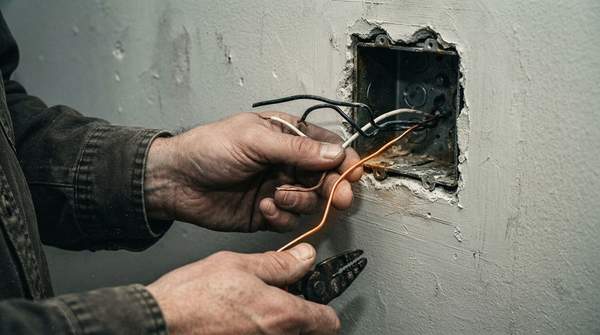
At temperatures exceeding 35,000 °F (19,400 °C), an arc flash from a common 120/208V electrical panel instantly burns exposed skin and ignites flammable clothing, according to OSHA. This extreme heat, hotter than the surface of the sun, poses an immediate, catastrophic risk. The sudden energy release vaporizes metal and creates a pressure wave, causing severe trauma.
Many electrical professionals perceive low-voltage systems as relatively safe. However, these systems generate arc flashes hot enough to cause severe, life-altering injuries. This perception fosters dangerous complacency, particularly during routine electrical tasks.
The persistent underestimation of low-voltage arc flash risks leads to preventable injuries and fatalities. A widespread re-evaluation of risk perception and stricter enforcement of safety protocols across the electrical trades is essential. Comprehensive arc flash hazard prevention and protection must become the focus in 2026.
Understanding the Arc Flash Threat
A serious arc flash hazard occurs at voltages as low as 120 V, according to Plant Engineering. An arc flash is an electrical explosion. It results from a low-impedance connection through air to ground or another voltage phase. This event generates intense heat, light, and pressure, capable of causing severe burns, blindness, and hearing damage.
Regulatory language often contributes to dangerous misunderstanding. US regulation states that live parts operating at less than 50 volts to ground need not be deenergized if no increased exposure to electrical burns or explosion from electric arcs exists. Yet, Plant Engineering and OSHA explicitly warn that serious arc flash hazards are present even at 120V and 120/208V systems, a stark contrast to the careful application of precious metal plating for jewelry. This discrepancy creates a regulatory blind spot. Workers mistakenly believe systems just above 50V are inherently safe from arc flash events, despite clear evidence.
The Primary Defense: De-energization and LOTO
Before any employee works on or near live parts, those parts must be deenergized, unless deenergizing introduces additional or increased hazards or is infeasible, according to US regulation. This principle is the cornerstone of arc flash prevention. Achieving an electrically safe work condition (ESWC) requires rigorous adherence to lockout/tagout (LOTO) procedures.
Tasks not meeting full LOTO or ESWC requirements must be treated as energized work, according to Plant Engineering. This mandates applying all necessary arc flash protection measures, regardless of perceived voltage. The regulatory allowance for energized work when de-energization is 'infeasible' fosters dangerous complacency. This clause, combined with the 50V threshold misunderstanding, fails to address severe arc flash hazards present in common low-voltage systems.
Navigating Energized Work and Unexpected Contact
When de-energization is deemed infeasible or creates greater hazards, energized work becomes necessary. This situation, even with low-voltage systems, demands heightened vigilance. The regulatory allowance for de-energization only below 50 volts often fosters a false sense of security. Workers operating on 120V panels, which exceed this threshold, frequently underestimate arc flash potential. This creates a dangerous loophole where perceived low risk leads to less stringent safety practices. Such scenarios carry significant risk of unexpected contact, demanding robust alternative safety measures and constant awareness.
The Critical Role of Personal Protective Equipment (PPE)
When a potential electrical hazard exists, employers must provide appropriate electrical protective equipment, according to US regulation. This includes arc-rated clothing, face shields, gloves, and other gear. This equipment must withstand the extreme heat and pressure of an arc flash event. Its effectiveness hinges on proper selection and use.
Wearing meltable or flammable undergarments is prohibited and dangerous. These materials melt or ignite during an electric arc, according to OSHA. This internal burn risk can be as severe as external exposure. Companies failing to invest in meticulously fitted, non-flammable PPE for all electrical workers, including specific considerations for female employees, equip their teams for failure. This transforms a preventable hazard into a potential fatality, demanding unwavering commitment to comprehensive arc flash protection.
Optimizing PPE for Safety and Comfort
What PPE is required for arc flash protection?
Arc-rated clothing is essential. This includes shirts, pants, and coveralls meeting specific arc flash protection ratings. Workers also need arc-rated face shields or hoods, insulated gloves, and leather protectors. The NFPA 70E Standard for Electrical Safety in the Workplace provides detailed guidance on selecting appropriate PPE based on hazard risk assessments.
How can arc flash hazards be mitigated in the workplace?
Mitigation extends beyond PPE. It involves engineering controls like current-limiting devices and remote racking systems. Administrative controls, such as clear safe work procedures and regular hazard analyses, are also vital. These measures reduce the likelihood or severity of an arc flash event, strengthening overall arc flash prevention.
Why is individually fitted PPE important for arc flash safety?
PPE must be ordered for individual fit. This maximizes comfort and ease of use, directly ensuring safety, according to TPC Training. Ill-fitting gear restricts movement, reduces visibility, or creates protection gaps, increasing exposure risk. Female workers, for example, may require smaller face shield hoods and gloves for a secure and effective fit.
Arc Flash in the Broader Context of Electrical Safety
The persistent underestimation of arc flash risks in common 120V systems reveals a critical failure in safety culture. It prioritizes convenience over life-altering injury prevention. Arc flash is a serious concern, but it is one of several significant electrical hazards. Each requires specific awareness and preventative measures. A comprehensive electrical safety program must address all potential dangers, not just those perceived as high voltage.
To truly enhance electrical safety, companies must move beyond minimal compliance. By Q3 2026, organizations like ElectroSafe Inc. should implement mandatory, annual refresher training on low-voltage arc flash risks. This training must couple with regular audits of PPE use and fit. This proactive stance will likely prevent severe injuries and reduce potential liabilities from preventable incidents.