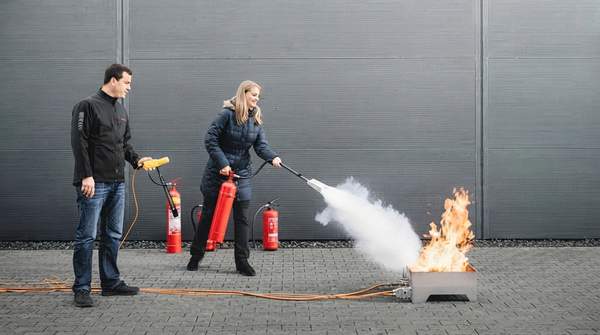
Fires are classified by their fuel, and the letters on an extinguisher's label indicate which classes it has been tested against, according to extinguisher manufacturer Kidde. That means the first step in safe suppression is identifying what is burning: an ABC dry chemical extinguisher handles common combustibles, flammable liquids, and energized electrical equipment, while a Class K unit is designed for burning cooking oils and grease. Once the right extinguisher is in hand, the U.S. Fire Administration's PASS technique—Pull, Aim, Squeeze, Sweep—covers its operation.
Understanding Fire Classes: The Foundation of Fire Safety
Fire safety authorities sort fires into five standard classes because the fuel determines what will put the fire out—and what will make it worse. Water can be effective on burning wood, but applied to a grease fire or energized electrical equipment it creates a new hazard. The class system exists to prevent exactly that kind of mismatch.
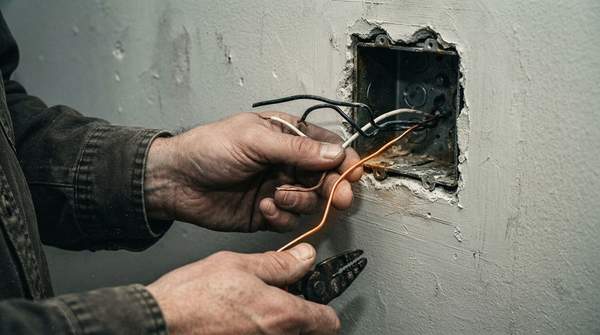
Kidde's definitions outline the five categories. Class A fires involve common combustibles such as wood, paper, cloth, rubber, trash, and plastics—the ordinary solid materials found throughout homes and offices. Class B fires involve solvents, oil, gasoline, paints, lacquers, and other oil-based products. Class C fires involve energized electrical equipment, where the live current is what makes these fires particularly hazardous.
Class D fires involve combustible metals such as magnesium, lithium, and titanium—materials more often found in industrial and laboratory settings than in a typical residence. Class K fires involve combustible cooking media such as oils and grease, commonly found in commercial kitchens. The City of Lompoc's building safety department notes that Class K extinguishers are designed for commercial restaurant applications, generally contain 2 1/2 gallons of extinguishing agent, and are compatible with hood and duct fixed extinguishing systems.
Fire Extinguisher Decision Framework
The matrix below maps each fire class to its typical fuel sources and the extinguisher types rated for it, combining Kidde's class definitions with the extinguisher-type guidance published by UCLA Health's ambulatory fire and life safety program. UCLA Health identifies three main types: ABC dry chemical, effective on all classes of fires; BC carbon dioxide, used on chemical or electrical fires; and Type K, used in kitchens on grease fires. Reading across a row tells you which equipment is safe and effective for that fire—and, by omission, which mismatches to avoid, such as using water on a grease or electrical fire.
| Fire Class | Fuel Source Examples | Appropriate Extinguisher Type(s) |
|---|---|---|
| Class A | Wood, paper, cloth, rubber, trash, plastics | ABC dry chemical (multipurpose dry chemical agent) |
| Class B | Solvents, oil, gasoline, paints, lacquers, other oil-based products | ABC dry chemical; BC carbon dioxide (preferred for chemical fires) |
| Class C | Energized electrical equipment | ABC dry chemical; BC carbon dioxide (preferred for electrical fires) |
| Class D | Combustible metals such as magnesium, lithium, titanium | Specialty extinguishers rated for Class D (not covered by ABC or BC types) |
| Class K | Cooking oils and grease, common in commercial kitchens | Type K, used in kitchens on grease fires |
Two practical patterns emerge from the matrix. A single ABC dry chemical extinguisher covers Classes A, B, and C, which is why UCLA Health places ABC units throughout its medical center corridors and reserves specialty extinguishers for areas such as operating rooms and kitchens. Class D and Class K fires, by contrast, call for dedicated equipment: a multipurpose dry chemical unit is not the tool for burning magnesium or a deep fryer full of ignited oil.