Each year, ladder-related falls alone are responsible for over 100 fatalities and injure thousands more in the U.S. revealing the often-underestimated dangers of DIY home renovation, according to Nationwide's agentblog.
Many homeowners embrace DIY projects for perceived benefits like empowerment and cost savings. Many homeowners often neglect critical safety steps, leading to serious, preventable accidents. Rushing causes many incidents when individuals are distracted or hurried, according to Haofinder and Henry Ford Health. A proactive, informed safety approach is crucial for injury-free DIY projects. Injuries happen quickly; managing immediate risks is fundamental.
Effective DIY safety demands a structured approach to hazard mitigation. Implementing fundamental steps, from pre-project checks to tool maintenance, significantly reduces serious injury.
1. Shutting off power at the circuit breaker
Best for: Homeowners performing any electrical work.
Before any electrical task, locate and turn off the main power at the circuit breaker. Only 17% of homeowners feel confident handling electrical tasks, according to Nationwide's agentblog. The lack of confidence among homeowners often leads to shortcuts or avoidance, increasing risk. It prevents electrocution and electrical fires.
Strengths: Prevents electrocution and electrical fires. | Limitations: Requires identifying correct breaker; may shut off power to other areas. | Price: Minimal (knowledge-based)
2. Safe power tool operation
Best for: All DIYers using drills, saws, or sanders.
Operate power tools safely: read manuals, wear appropriate personal protective equipment (PPE), and maintain a firm grip. Power tools cause approximately 400,000 emergency room visits annually in the U.S. according to Nationwide's agentblog. The volume of injuries from power tools demands rigorous adherence to safety protocols, even for experienced users. It reduces lacerations, amputations, and impacts.
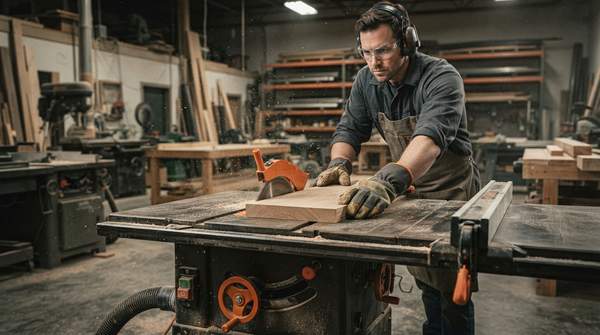
Strengths: Reduces risk of lacerations, amputations, and impacts. | Limitations: Requires careful attention and training. | Price: Minimal (training/awareness)
3. Safe ladder use
Best for: Anyone working at height.
Use ladders properly: select the correct one, ensure a stable surface, and maintain three points of contact. Falls account for approximately 40 percent of injuries in building and construction projects, according to Haofinder. Given the high percentage of falls, even minor height work requires professional-level caution. This prevents falls, a leading cause of severe injury.
Strengths: Prevents falls, a leading cause of severe injury. | Limitations: Requires careful setup and awareness of surroundings. | Price: Minimal (technique-based)
4. Wearing protective eyewear
Best for: All DIYers in any renovation project.
Safety glasses or goggles protect eyes from flying debris, dust, and chemical splashes. Flying debris, dust, and small particles are often unavoidable in home improvement projects, according to Nationwide's agentblog. Eye protection is not optional; it is a baseline requirement for almost any DIY task. It prevents eye injuries.
Strengths: Prevents eye injuries. | Limitations: Can fog up; may be uncomfortable for extended periods. | Price: Low ($10-$30)
5. Avoiding rushing/Taking your time
Best for: All DIYers.
Allocate sufficient time for each task and avoid shortcuts. Many accidents occur when people are distracted or rushed, according to Henry Ford Health. Prioritizing speed over deliberate action directly compromises safety and project quality. This reduces errors and stress.
Strengths: Reduces errors and stress. | Limitations: Requires patience and realistic project timelines. | Price: Minimal (planning-based)
6. Ensuring adequate lighting
Best for: All DIYers, especially in basements or attics.
Properly illuminate the work area to improve visibility. Dimly lit areas increase the likelihood of mistakes and accidents, according to Nationwide's agentblog. Investing in proper lighting is a simple, cost-effective way to prevent errors and improve precision. This enhances precision and hazard identification.
Strengths: Enhances precision and hazard identification. | Limitations: Requires additional lighting equipment. | Price: Low ($20-$100 for portable lights)
7. Using sharp tools/Maintaining sharp blades
Best for: All DIYers working with cutting or drilling tools.
Regularly sharpen blades and drill bits for efficient, predictable tool operation. You are more likely to injure yourself with a dull blade or drill bit than a sharp one, according to Henry Ford Health. Counterintuitively, a dull tool poses a greater hazard due to increased force and potential for slippage. This improves safety and work quality.
Strengths: Improves safety and work quality. | Limitations: Requires tool maintenance skills and equipment. | Price: Moderate ($30-$100 for sharpening tools)
8. Inspecting for lead paint/asbestos in older homes
Best for: Homeowners renovating properties built before 1978.
Before disturbing materials in older homes, professional testing for lead paint and asbestos is crucial. Professional testing for lead paint and asbestos is crucial if you live in an older home, according to Henry Ford Health. Ignoring these hidden hazards can lead to long-term health consequences far more severe than immediate project injuries. This prevents exposure to carcinogens and neurotoxins.
Strengths: Prevents exposure to carcinogens and neurotoxins. | Limitations: Requires professional testing; can be costly. | Price: Moderate ($200-$500 for inspection)
9. Working with a partner for bigger projects
Best for: Homeowners tackling large or complex renovations.
Collaborate with another person for an extra layer of safety, especially for heavy lifting or awkward positions. For bigger projects, add an extra layer of safety by tackling tasks with at least one other person, according to Henry Ford Health. Collaboration mitigates risks that solo work cannot, especially with heavy or complex tasks. This provides assistance, oversight, and emergency support.
Strengths: Provides assistance, oversight, and emergency support. | Limitations: Requires coordination and communication. | Price: Minimal (coordination-based)
10. Planning ahead
Best for: All DIYers, before starting any project.
Thoroughly plan projects: understand scope, gather tools, and identify potential hazards. You need to plan ahead to stay safe, according to Henry Ford Health. Comprehensive planning is the foundational step for all subsequent safety measures, preventing unforeseen dangers. This reduces unforeseen complications and enhances overall safety.
Strengths: Reduces unforeseen complications and enhances overall safety. | Limitations: Requires time investment before physical work begins. | Price: Minimal (time-based)
| Safety Practice | Primary Risk Addressed | Severity of Potential Injury | Ease of Implementation |
|---|---|---|---|
| Shutting off power at the circuit breaker | Electrocution, electrical fires | High (fatal) | Moderate |
| Safe power tool operation | Lacerations, amputations, impacts | High (disabling) | Moderate |
| Safe ladder use | Falls from height | High (fatal/severe trauma) | Moderate |
| Using sharp tools/Maintaining sharp blades | Slips, cuts, overexertion | Medium (deep cuts) | Easy |
If current trends persist, manufacturers like DeWalt and Ryobi will likely face increased pressure by Q3 2026 to integrate mandatory, interactive safety training into their digital resources, moving beyond basic warnings to address the specific, documented risks of DIY projects.
What are the most common home renovation accidents?
Beyond falls and electrical incidents, hand tool cuts from utility knives and hammers are frequent. The National Safety Council reports hand tool injuries account for a significant portion of annual emergency room visits, often due to improper technique or lack of protective gear.
How to ensure safety during a kitchen remodel?
Kitchen remodels involve unique hazards like gas lines and plumbing. Always verify gas lines are professionally capped or moved by a licensed technician. Ensure water shut-off valves are accessible and functional before demolition to prevent leaks.
What safety gear is essential for DIY projects?
Beyond eye protection and gloves, hearing protection is critical for loud machinery like circular saws, which exceed 100 decibels. A fitted N95 dust mask is vital for tasks generating dust.ting fine particles, such as sanding drywall or cutting wood, to protect respiratory health.