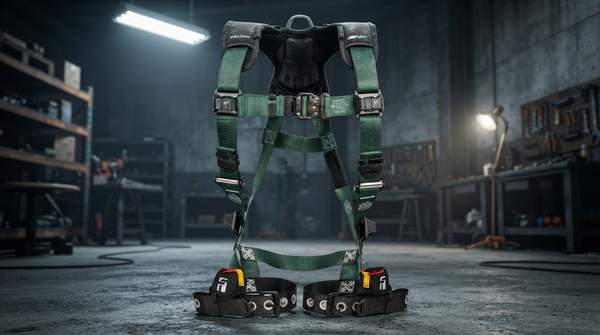
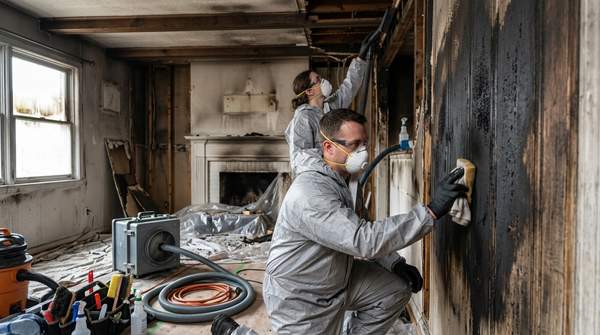
In 2020 alone, preventable injuries caused 200,955 deaths in homes and communities, according to Lawnstarter. The 200,955 deaths in homes and communities expose the hidden dangers within everyday living spaces. Home improvement projects and daily household activities are widely perceived as safe, yet they contribute to hundreds of thousands of preventable injuries and deaths annually. Power tools alone cause approximately 400,000 emergency room visits each year in the U.S. as reported by Agentblog. Therefore, a small investment in proven safety equipment and a commitment to basic safety practices can significantly reduce personal risk and prevent tragic outcomes. Despite the availability of affordable, effective DIY safety equipment, a profound societal underinvestment in basic home safety persists, leading to a substantial toll of preventable injuries and fatalities.
Essential Gear for Immediate Safety: 2026
1. First Alert SMCO500V Interconnected Battery-Operated Combination Smoke & Carbon Monoxide Alarm with Voice Alerts
Best for: Comprehensive hazard detection in multi-story homes or larger residences.
This device can interconnect with other units, ensuring all alarms sound simultaneously when a hazard is detected, and indicates the room of origin. Accidental carbon monoxide poisoning causes about 430 deaths annually in the US, according to 2020 data from Lawnstarter. The interconnected system offers critical early warning for such silent threats.
Strengths: Interconnected alerts | Voice alerts for specific hazard identification | Battery-operated for easy installation | Limitations: Requires multiple units for full interconnected coverage | Price: Moderate
2. First Alert PRO5 Fire Extinguisher
Best for: General household fire suppression, especially during DIY activities.
The First Alert PRO5 fire extinguisher is UL certified, affordable, and effective against common household fires, including those involving wood, paper, burning liquids, and electrical fires. It exceeds the minimum size recommendations of the National Fire Protection Association from 2020, yet weighs a manageable 10 pounds, as noted by The New York Times.
Strengths: UL certified | Effective on multiple fire types | Manageable weight | Limitations: Single-use device | Requires proper training for optimal use | Price: Affordable
3. X-It 2-Story Emergency Escape Ladder
Best for: Emergency egress from upper floors during fires or other emergencies.
This emergency escape ladder is designed for reuse, folds into a small bundle for convenient storage, and is simple to set up and climb. It provides a vital escape route when primary exits are blocked.
Strengths: Reusable | Compact storage | Easy deployment | Limitations: Limited to two stories | Requires practice for quick deployment in an emergency | Price: Moderate
4. Safe Power Tool Use
Best for: All individuals undertaking home improvement or DIY tasks.
Power tools are involved in approximately 400,000 emergency room visits annually in the U.S. according to 2020 data from Agentblog. Proper usage includes reading manuals, wearing appropriate personal protective equipment (PPE), and ensuring tools are well-maintained.
Strengths: Prevents common and severe injuries | Extends tool lifespan | Limitations: Requires consistent vigilance | Price: Free (requires time investment)
5. Ladder Safety Practices
Best for: Any task requiring elevation, from cleaning gutters to painting walls.
Ladder-related falls result in over 100 fatalities each year in the U.S. according to 2020 data from Agentblog. Essential practices involve proper placement on stable ground, maintaining three points of contact, and avoiding overreaching.
Strengths: Reduces risk of severe falls and fatalities | Promotes efficient work at height | Limitations: Requires careful attention to detail | Price: Free (requires adherence to guidelines)
6. Poisoning Prevention Practices
Best for: Homes with children, pets, or anyone handling chemicals.
The national fatality rate for household poisoning is 3, according to 2020 data from Lawnstarter. Storing chemicals in original, labeled containers, securing them out of reach, and ensuring proper ventilation prevents accidental ingestion or exposure.
Strengths: Prevents serious illness and fatalities | Protects vulnerable household members | Limitations: Requires diligent organization and storage | Price: Free (requires consistent practice)
7. Electrical Safety Practices
Best for: All homeowners, especially those undertaking DIY electrical repairs or installations.
Only 17% of homeowners feel confident handling electrical tasks, according to 2020 data from Agentblog. The widespread lack of confidence among homeowners makes strict safety protocols crucial. Always turn off power at the circuit breaker, use insulated tools, and consider professional help for complex tasks.
Strengths: Prevents electrocution, fires, and equipment damage | Ensures safe operation of electrical systems | Limitations: Requires specialized knowledge for complex tasks | Price: Free (requires cautious approach)
Comparing Lighting for Safe Home Improvement
| Product | Key Features | Visibility Range/Power | Best Use Case |
|---|---|---|---|
| Black Diamond Spot 400 Headlamp | Bright beam, reliable performance, easy-to-navigate buttons, long-lasting battery life | 400 lumens (max) | Hands-free tasks in dim or dark environments, general DIY, camping |
| ThruNite Archer 2A V3 Flashlight | Wide range of brightness settings, dim mode for map reading, strobe mode | 500 feet (bright setting) | Detailed inspections, long-range illumination, emergency signaling |
Adequate lighting is crucial for preventing accidents, especially during tasks involving tools or in emergencies. Ladder-related falls alone cause over 100 fatalities annually, according to 2020 data from Agentblog. Tools like the Black Diamond Spot 400 headlamp and the ThruNite Archer 2A V3 flashlight offer distinct advantages. A headlamp ensures hands-free illumination for intricate tasks; a powerful flashlight provides broader, longer-range visibility. Both are critical for safety in various home improvement scenarios.
Overlooked Dangers: Mowers, Poisons, and Home Safety
Lawn mowers cause approximately 1,000 deaths each year, according to 2020 data from Lawnstarter. The 1,000 deaths from lawn mowers each year surpass annual fatalities from ladder falls and carbon monoxide poisoning, challenging common perceptions of household danger. The sheer volume of preventable deaths, exceeding 200,000 annually, reveals American homes are not the safe havens we perceive, but silent arenas of significant, unaddressed risk.
Beyond obvious dangers, silent threats like carbon monoxide and common household poisons contribute significantly to preventable deaths. Accidental carbon monoxide poisoning causes about 430 deaths annually in the US, according to 2020 data from Lawnstarter. The national fatality rate for household poisoning is 3. The 430 deaths from carbon monoxide poisoning and the national fatality rate of 3 for household poisoning demand constant vigilance for routine activities and invisible hazards, alongside proactive use of readily available safety equipment.
Despite readily available, affordable safety equipment, a critical gap persists between product availability and widespread adoption. If public safety campaigns shift focus from 'extreme' dangers to the lethal potential of everyday chores, prioritizing comprehensive safety education and consistent use of DIY safety equipment, it appears preventable home injuries and fatalities could significantly decline by 2026 and beyond.
Frequently Asked Questions About Home Safety
What are common signs of carbon monoxide poisoning?
Carbon monoxide poisoning symptoms often mimic the flu, including headache, dizziness, nausea, and general weakness. Since CO is odorless and colorless, it is crucial to rely on interconnected CO alarms like the First Alert SMCO500V, which can alert residents to this deadly gas even before symptoms appear.
How often should smoke alarms be tested or replaced?
Smoke alarms should be tested monthly using their test button to ensure functionality. Batteries in battery-powered units should be replaced at least once a year, and the entire smoke alarm unit should be replaced every ten years, regardless of battery status, to maintain optimal detection capabilities.
What basic first aid supplies are recommended for a home improvement kit?
A well-stocked home improvement first aid kit should include adhesive bandages of various sizes, antiseptic wipes, sterile gauze pads, medical tape, pain relievers, tweezers for splinters, and an instant cold pack for minor bumps or bruises. These items can provide immediate care for minor injuries.rovide immediate care for common injuries that may occur during DIY projects.