Damaged power cords are a leading cause of home fires and electrocution, a risk often overlooked in renovation projects. A significant portion of preventable electrical accidents annually are accounted for by this hazard. Homeowners frequently underestimate the dangers of minor damage to electrical components.
Many home renovation projects involve electrical work, but common shortcuts or a lack of awareness significantly increase the risk of fire and electrocution. This tension between desired renovation outcomes and neglected safety creates genuine peril. A proactive approach to basic electrical safety is not just a best practice, but a critical safeguard against preventable disasters. Diligence in these areas prevents severe consequences.
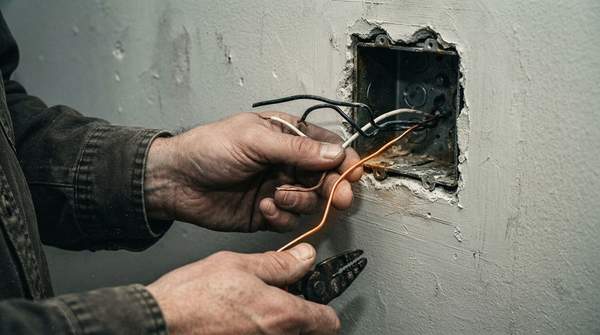
Homeowners inadvertently create serious electrical hazards during renovations. Securing cords by stapling them or running them under rugs and furniture directly contributes to damaged power cords, a leading cause of home fires and electrocution, according to Constellation. Regularly inspect cords for cracking, fraying, or faults in the insulation, as advised by CCOHS. This widespread ignorance of basic cord integrity elevates accident risk.
Electrical work dangers during home renovations stem from unfamiliarity with codes and overconfidence in DIY abilities. Many homeowners embark on projects without fully understanding the potential for harm. Tasks like installing new outlets or rerouting wiring, if done improperly, can lead to overheating and fire. Even simple tasks, like replacing a light fixture, carry risks if basic precautions are ignored. The absence of proper permitting or professional oversight compounds these issues, as minor electrical alterations can have significant safety implications if not executed correctly.
Essential Steps for Electrical Safety
Check electric tools to ensure a 3-prong plug has an approved 3-wire cord and is grounded, a fundamental safety measure according to CCOHS. This initial check prevents many potential hazards. Use a ground-fault circuit interrupter (GFCI) with extension cords and portable tools; neither insulation nor grounding fully protects from damaged cords, a point emphasized by OSHA. These specific preventative measures mitigate common electrical risks.